

We are a digital agency helping businesses develop immersive, engaging, and user-focused web, app, and software solutions.
2310 Mira Vista Ave
Montrose, CA 91020

2500+ reviews based on client feedback
What's Included?
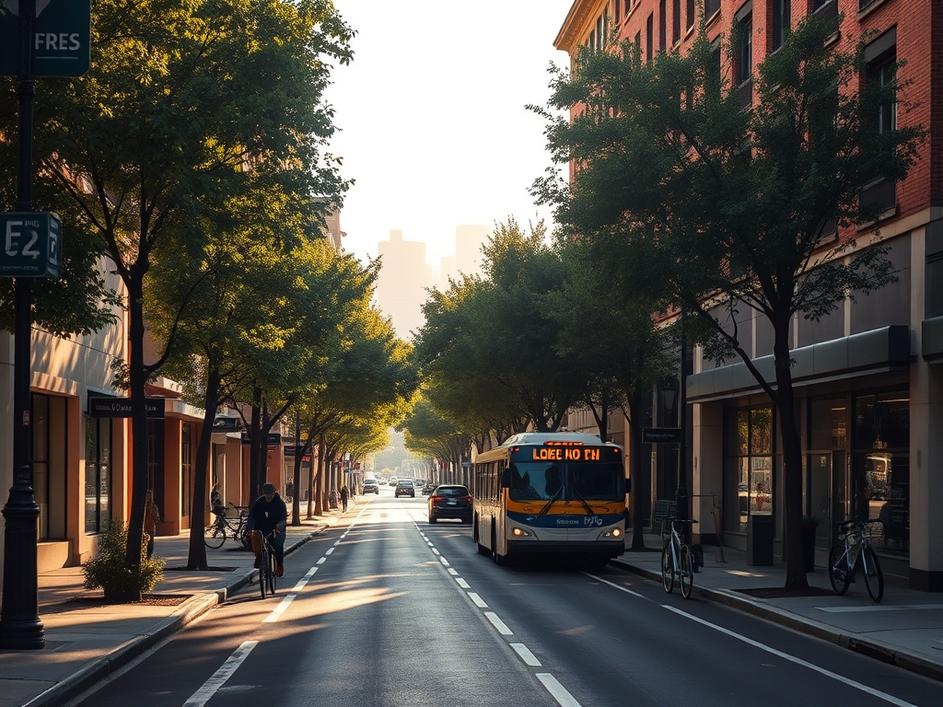
ToggleA new city plan lays out a decade of changes to streets, housing, and transit. The city wants fewer car trips and more options to move people. It calls for a real bike network, faster buses, and safer streets for walkers. It also pushes to build homes near transit stops so people can live without a car. The idea is simple: streets should serve people, not just cars. The plan is big, and it will take time to see results. It is not a one-year fix. It is a long game. The city will need money from bonds, state programs, and private partners. It will require strong rules to keep projects moving. In short, this is a map for what comes next, not a finished city overnight.
The plan talks about people. It mentions grandparents who ride buses, parents with strollers, and workers who commute. It says safer streets will help kids walk to school and seniors move around without worry. But big changes scare some folks. Parking might get tighter, and a few routes could seem longer at first. The trick is to show how new options cut time for some, while saving money for others. The city has to listen to neighbors who fear noise, crowding, or loss of trees. Good plans include clear timelines, friendly reminders, and help for households that will feel the shift the most. When people see real benefits, they buy in piece by piece, not all at once.
Shops on main streets stand to gain more foot traffic if people can park a little farther and still walk easily. The plan leans on safer, nicer streets. That tends to bring more customers out in the evenings. But the change can be rough at first. Delivery schedules may need to adapt to bus lanes and bike paths. Some stores worry about loading zones and curb space. The city promises support: help with permits, design advice, and quick fixes to turn empty corners into inviting corners. If small firms survive the transition, they might become steadier anchors in their neighborhood. A healthy commercial strip helps residents feel proud of where they live and can lift the mood of the whole district.
Fewer cars on busy streets can mean cleaner air and less noise. People breathe easier on hot days when shade trees line the sidewalks. The plan includes more shade and better crosswalks, so people feel safe stepping outside. When buses run on dedicated lanes, trips stay on schedule, and delays fall. That helps workers, students, and families who rely on public transport. There is a chance to cool the heat in crowded blocks with green space. The city also wants to plant more trees near schools and clinics. All of this adds up to a healthier daily life. It’s not just about statistics; it’s about living better in real, small moments.
Any big plan comes with risk. The city will need a steady funding stream and clear milestones. Projects can stall if money dries up or red tape grows long. There will be debates on how fast to push changes and who gets priority. Residents will want to see results before they lose faith. The plan must show real progress in chunks, not promises. Public oversight, independent reviews, and simple about-face rules help. The city should also publish plain reports so people understand what’s happening. If the plan waits for the perfect moment, it might never start. It’s better to begin with small wins and build trust as streets change and people adjust.
This plan isn’t a magic fix. It’s a thoughtful shift in how we use streets and space. It asks us to value transit, bikes, and walking as everyday choices. It requires patience, but it also rewards it with safer, cleaner neighborhoods. I see the good in making routes easier to navigate for families and workers who don’t own cars. I also see the risk when budgets get tight or interests clash. The most important thing is keeping people at the center. If the city keeps listening, adapts quickly, and shares clear progress, the plan can guide us toward a city that works better for more people. It won’t fix everything today, but it can set us on a better path for tomorrow.



Comments are closed