Policy in plain sight
Today, a city council shared a plan to fight waste and climate change. The plan aims to cut city emissions by about 40 percent over ten years and cut plastic trash in half. It mixes new fees, incentives, and city programs. The goal is clear, but the path is not simple. The plan asks people at home, at work, and at school to change small habits. It tries to show that the city takes this issue seriously. The plan also lays out simple steps for neighborhoods, schools, and small shops to start, like better recycling signs and more convenient drop-off points. It sets up a dashboard so people can see progress over time. It isn’t a big splash, but it signals a steady push toward real change.
Everyday life under a new plan
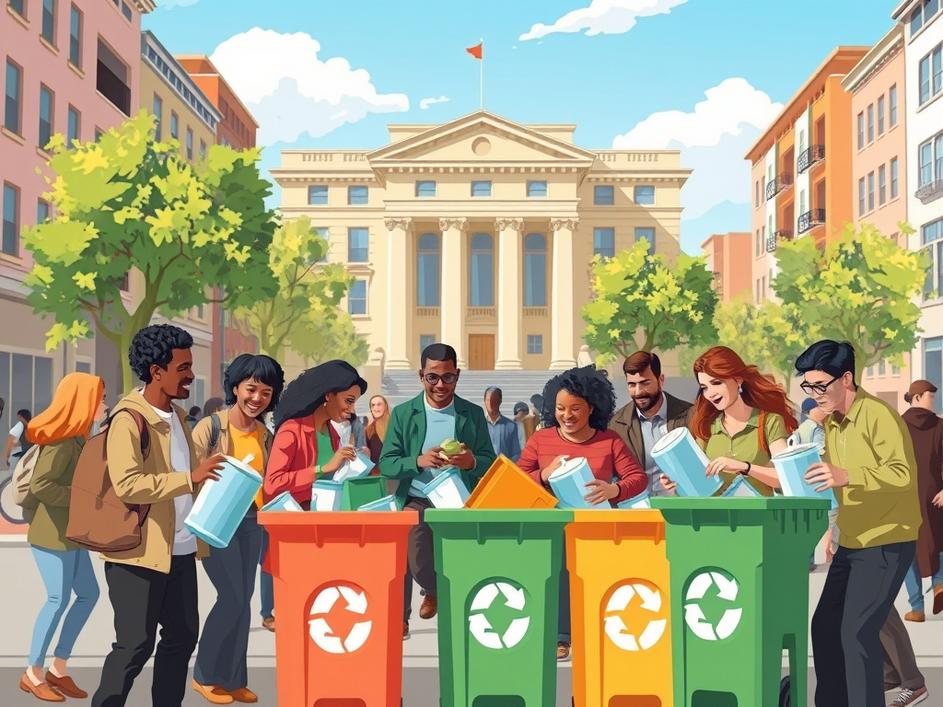
If this plan moves forward, changes will show up in daily routines. Less plastic waste means more careful shopping and clear sorting at home. The city would fund more recycling centers and expand curbside pickup for plastics, glass, and paper. Public buildings would get energy audits and switch to efficient lights and heaters. Schools could add lessons on composting and mindful consumption. People might face small costs for single-use items, but subsidies and community programs could soften the impact. The real test will be making these changes feel doable for busy families and small businesses, not a burden that gets dropped on one group alone.
Who pays and who benefits
Costs usually land on someone, and this plan is no exception. Fees on single-use plastics fund upgrades elsewhere, but the plan also offers rebates for home energy upgrades and affordable transit passes. Small businesses get help to switch to reusable options and smarter waste management. The city promises to target support to neighborhoods that lack services, so the changes don’t leave anyone behind. If the money comes with good oversight, the plan can help create shared benefits rather than sudden pain. Without that balance, people may feel the changes do not reflect their needs. A fair rollout matters as much as the goals themselves.
Risks worth watching
Big plans bring risks. People may push back with fear of higher costs or lost convenience. If enforcement feels heavy-handed, people may tune out. Loopholes could drain the plan of impact. There is also a risk of relying too much on fees and not enough on education and outreach. If crews don’t fix problems quickly, frustration grows. Without clear, simple instructions, participation will lag. The city needs to stay honest about what works and what doesn’t, and be ready to adjust. Listening neighbors and frontline workers will be crucial to prevent missteps.
What comes next
In the coming months, the plan will pass through hearings and committee reviews. Public input matters and should shape the final version. Expect pilots in several districts to test sorting rules and incentives. Watch for how the city measures success: less waste, more recycled material, lower energy bills, and real help for families with tight budgets. Plain language guides should be published, and help desks must be ready. If the process stays open, trust grows and feedback can improve the plan. If it stays closed, the chance to learn from real life will fade fast.
Conclusion: small acts, steady progress
News like this isn’t a finish line. It’s a starting line. A city can do big things only with many small acts from different people. That means neighbors, families, and local businesses all taking part. It means honest reporting of what works and what doesn’t. It means patience too. Change this kind of plan needs time and care. If the city keeps listening and keeps adjusting, the plan can grow from a policy into daily practice. Then the day comes when picking up a bin or choosing a bottle of water feels like a small win for the wider community.






Comments are closed