

We are a digital agency helping businesses develop immersive, engaging, and user-focused web, app, and software solutions.
2310 Mira Vista Ave
Montrose, CA 91020

2500+ reviews based on client feedback
What's Included?
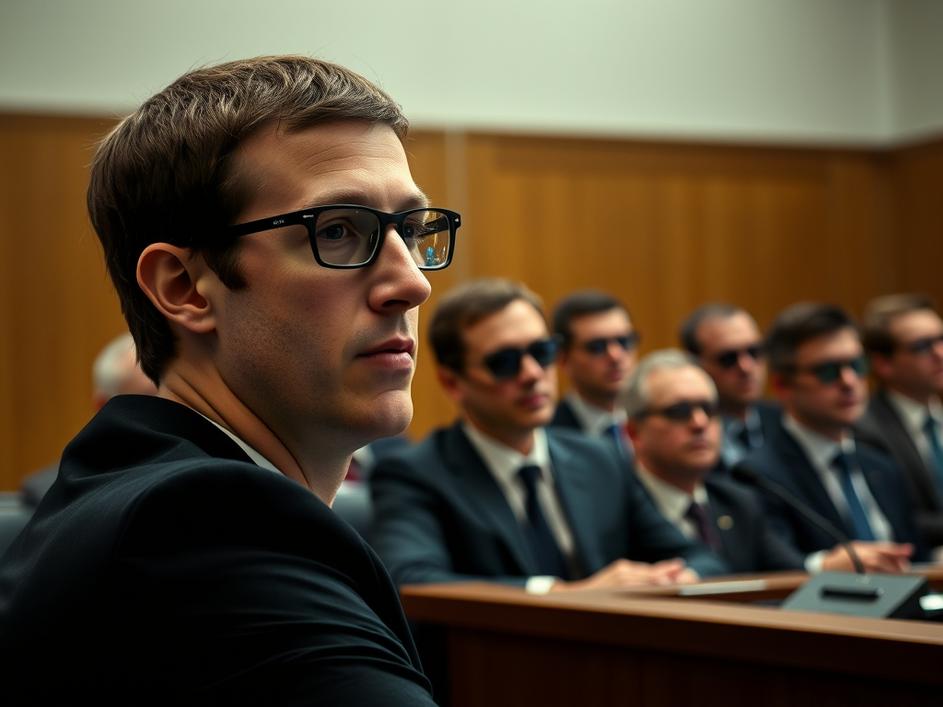
ToggleMark Zuckerberg’s recent appearance at a Los Angeles courthouse wasn’t just about the legal matters at hand. It was also a demonstration of technology, and a potentially unsettling one at that. Reports surfaced that members of his team were sporting Meta’s Ray-Ban smart glasses. These aren’t your average specs; they’re equipped with cameras, raising some serious questions about privacy within the hallowed halls of justice.
The core issue here is consent. Courtrooms have strict rules about recording, designed to protect witnesses, jurors, and the integrity of the legal process. The surreptitious nature of these smart glasses, which can record audio and video without obvious indication, circumvents these protections. Imagine being a witness, already nervous about testifying, and then realizing that someone might be recording your every word and gesture without your knowledge or permission. It’s a chilling thought.
Thankfully, Judge Carolyn Kuhl acted swiftly, banning the use of the glasses in her courtroom. This was a sensible decision, reflecting the need to uphold established rules regarding recording. However, the incident serves as a stark warning: technology is advancing faster than our legal and ethical frameworks can keep up.
This isn’t just about courtrooms. The proliferation of smart glasses raises broader questions about privacy in public and private spaces. How do we ensure that people are aware they are being recorded? What recourse do they have if they are recorded without their consent? These are questions we, as a society, need to grapple with sooner rather than later. It is not just the courtroom to consider. Think of restaurants or any private business. Do they have the right to ban the use of glasses like that? What about locker rooms or bathrooms? It is a major step forward with the use of cameras like that, but it needs to be addressed for privacy concerns.
The risk is that we normalize constant surveillance. As these devices become more common, the lines between what is acceptable and unacceptable blur. Before you know it, people might just assume they are always being recorded, which would definitely have a chilling effect on free expression and social interaction. The more people are recorded, the less privacy we have as a whole. The glasses are able to take pictures, record video, and audio. All of that is stored somewhere, and potentially used in different ways. What happens if the audio is analyzed? How would someone even know? It is a complicated legal landscape that we need to work through as we approach a future where glasses like this are normal.
What’s the solution? Clear guidelines and regulations are essential. We need laws that address the specific challenges posed by these new technologies. These laws should cover issues like notification, consent, data storage, and the use of recordings. Perhaps a good start would be a distinct and visible light to signal when the device is actively recording. It will not solve all the issues, but would at least make it clear the glasses are actively in use.
Beyond legal frameworks, education and awareness are crucial. People need to understand the capabilities of these devices and the potential impact on their privacy. This includes understanding your rights and how to protect yourself from unwanted recording. When it comes to being educated about these tools, it has to happen on both sides. The people using the tools, and the people who are around them. The people using the glasses should know what the legal ramifications are of using the device. The people who are around them should know their rights, and what they are able to do if they feel that their rights have been violated.
The integration of smart glasses into our society is a complex issue with no easy answers. It requires a constant balancing act between technological innovation and the protection of individual rights. We must proactively address these challenges to ensure that progress doesn’t come at the cost of our fundamental freedoms. Ultimately, it is important to remember that these are just tools, and they need to be used ethically and morally. Just because something CAN be recorded, doesn’t mean it should be. There are plenty of instances where recording is important, or even a requirement, but there are also plenty of instances where it is invasive, and should not happen.
The incident in the Los Angeles courthouse serves as a wake-up call. It’s time to have a serious conversation about the implications of smart glasses and other wearable recording devices. We need to develop clear rules and norms to protect privacy while still allowing for innovation. The future of privacy depends on it. If we allow the technology to grow unregulated, then we are setting ourselves up for a future that is constantly recorded, and under the eye of someone else. Regulation is key to making sure the public is protected.



Comments are closed