

We are a digital agency helping businesses develop immersive, engaging, and user-focused web, app, and software solutions.
2310 Mira Vista Ave
Montrose, CA 91020

2500+ reviews based on client feedback
What's Included?
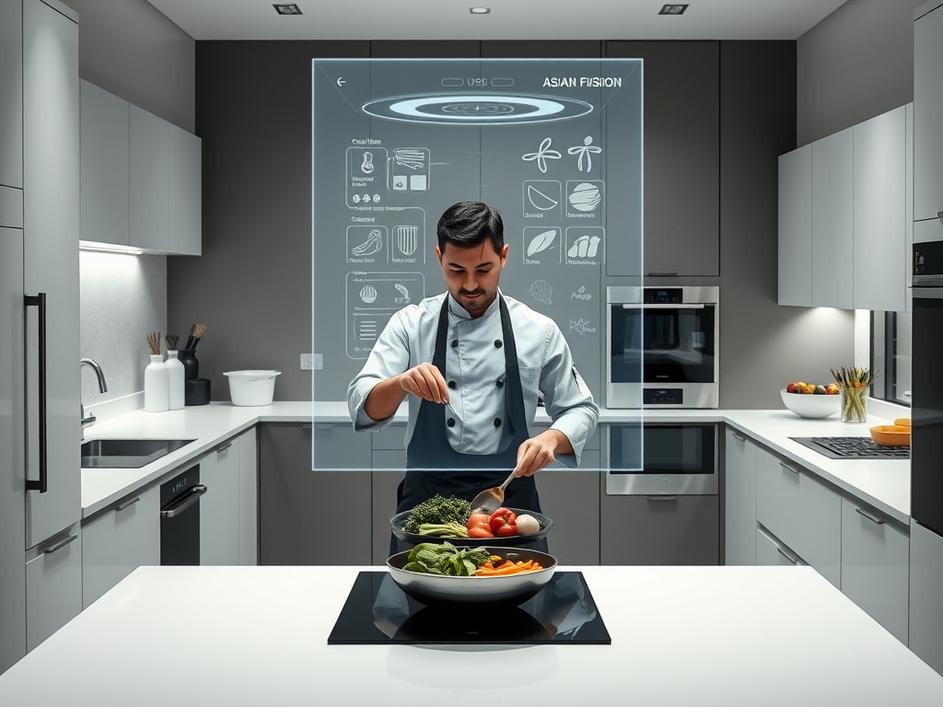
ToggleThe world of cooking is always changing, and we’re now seeing a fascinating blend of technology and culinary artistry. Imagine a kitchen that anticipates your needs, suggests creative ingredient combinations, and helps you perfect even the most complex Asian fusion dishes. That’s the promise of the intelligent kitchen, and it’s closer than you think.
We’re not just talking about fancy refrigerators that tell you when you’re out of milk. The intelligent kitchen takes things much further. Think of sensors that analyze the freshness of your produce, AI algorithms that suggest spice pairings based on your preferences, and robotic arms that can handle tedious tasks like chopping vegetables with incredible precision. It’s about integrating various smart technologies to streamline the entire cooking process, making it more efficient and enjoyable.
Asian fusion cuisine, with its diverse flavors and intricate techniques, presents a unique challenge and opportunity for intelligent kitchens. Mastering the balance of sweet, sour, salty, and umami requires expertise. An AI-powered kitchen could guide home cooks through complex recipes, offering real-time adjustments to ensure the perfect flavor profile. Imagine a system that not only provides the recipe but also monitors the cooking temperature, humidity, and even the aroma of the dish, making corrections on the fly.
One of the most exciting aspects of intelligent kitchens is their ability to personalize the cooking experience. The system can learn your dietary restrictions, preferred ingredients, and desired spice levels. Based on this data, it can generate custom recipes tailored to your specific needs. For example, if you’re trying to reduce your sodium intake, the kitchen might suggest low-sodium soy sauce alternatives or recommend recipes that naturally enhance flavor without relying on salt. It can also adjust cooking times and temperatures based on your altitude and the specific type of cookware you’re using.
The idea of a connected kitchen is becoming increasingly realistic. Smart appliances are now able to communicate with each other, sharing data and coordinating their actions. Your smart refrigerator can alert your oven when you’re running low on a particular ingredient, and the oven can automatically preheat to the optimal temperature for the dish you’re planning to make. This level of integration can save you time and effort, making cooking a truly seamless experience. Moreover, data analysis can help reduce food waste by providing insights into consumption patterns and suggesting ways to use up leftovers creatively.
Of course, there are challenges to overcome. The initial cost of setting up an intelligent kitchen could be significant, and there are concerns about data privacy and security. It’s crucial to ensure that these systems are designed with robust security measures to protect your personal information from unauthorized access. Additionally, there’s the question of whether these technologies will truly enhance the cooking experience or simply automate it, potentially diminishing the joy of culinary creation. It’s important to strike a balance between technology and tradition, ensuring that the human element of cooking remains central.
It’s not just about automation; it’s about empowerment. The intelligent kitchen can serve as a culinary tutor, providing guidance and inspiration to cooks of all skill levels. It can suggest new flavor combinations, introduce you to unfamiliar ingredients, and help you master complex techniques. By removing the tedious aspects of cooking, such as chopping and measuring, the intelligent kitchen frees up your time and energy to focus on the creative aspects of culinary experimentation. This could lead to a new wave of culinary innovation, as home cooks are empowered to explore new flavors and techniques with confidence.
The intelligent kitchen for Asian fusion cuisine is not just a futuristic fantasy; it’s a tangible possibility that’s rapidly approaching. As technology continues to evolve, we can expect to see even more sophisticated and integrated systems that transform the way we cook and eat. The promise is a future where cooking is more efficient, personalized, and enjoyable than ever before, empowering us to explore the world of Asian fusion flavors with confidence and creativity. The intersection of culinary arts and artificial intelligence holds immense potential for transforming our relationship with food, making it more accessible, sustainable, and ultimately, more delicious.



Comments are closed