

We are a digital agency helping businesses develop immersive, engaging, and user-focused web, app, and software solutions.
2310 Mira Vista Ave
Montrose, CA 91020

2500+ reviews based on client feedback
What's Included?
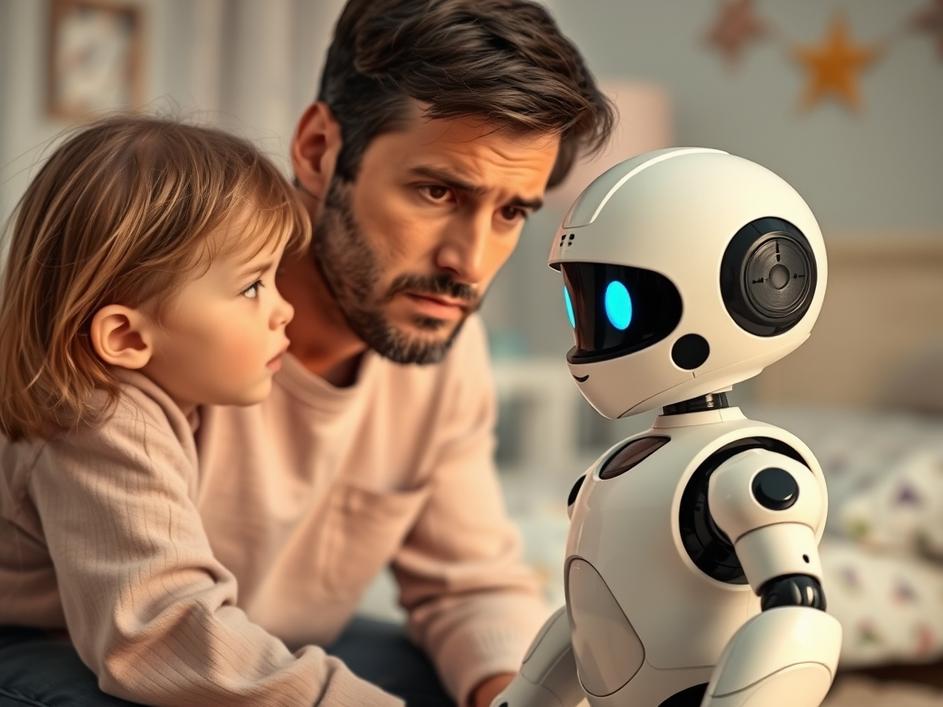
ToggleRemember the days when toys were simple? A doll, a toy car, a stuffed animal – things that sparked imagination without any electronic help. But times have changed. Now, many toys come equipped with artificial intelligence (AI), promising interactive play and personalized learning experiences. These aren’t just gadgets; they’re companions, tutors, and even confidants for our children. But is all this technological progress really progress when it comes to our kids’ well-being?
A group of researchers is raising concerns about the increasing presence of AI in children’s toys. Their worry? That these sophisticated playthings could pose risks to a child’s psychological safety. It’s not about the toys being physically dangerous, but about the potential for emotional and developmental harm. They are calling for regulations to keep these AI toys in check and protect our children.
So, what exactly are these researchers worried about? The main concern seems to be the way AI toys interact with children. These toys often collect data about a child’s behavior, preferences, and even their emotions. This data could be used to personalize the play experience, but it could also be misused. Imagine a toy that subtly encourages a child to conform to certain stereotypes or that exploits their vulnerabilities for commercial gain. And what happens to all that data? Is it stored securely? Could it be accessed by unauthorized parties? These are valid questions that need answers.
Beyond data privacy, there’s the potential for manipulation. AI algorithms are designed to influence behavior, and children are particularly susceptible to this kind of influence. A toy could subtly encourage a child to buy certain products, adopt certain beliefs, or even behave in certain ways. This kind of manipulation can have a profound impact on a child’s development, shaping their values and beliefs in ways that may not be in their best interests. And it may not even be intentional. An AI toy that over-emphasizes achievements might unintentionally cause anxiety in a child who is struggling.
The researchers aren’t saying that all AI toys are inherently bad. They recognize the potential benefits of these technologies, such as personalized learning and emotional support. However, they emphasize the need for clear guidelines and regulations to ensure that these toys are used responsibly and ethically. These regulations should address issues such as data privacy, algorithmic transparency, and the potential for manipulation. Parents need to know what data these toys are collecting, how that data is being used, and what safeguards are in place to protect their children’s privacy and well-being. Algorithmic transparency means that the logic behind the toy’s interactions should be understandable, so parents can identify any potential biases or harmful influences.
Until regulations are in place, it’s up to parents to be informed and proactive. Before buying an AI toy, do your research. Find out what data it collects, how that data is used, and what security measures are in place. Read reviews from other parents and look for any red flags. Talk to your children about the toy and its capabilities. Explain that it’s not a real person and that they shouldn’t share personal information with it. Monitor your child’s interactions with the toy and be alert for any signs of distress or manipulation. And most importantly, trust your instincts. If something doesn’t feel right, don’t be afraid to take the toy away.
The debate over AI toys is part of a broader conversation about the role of technology in our children’s lives. We live in a digital age, and it’s impossible to shield our kids from technology completely. But we need to be mindful of the potential risks and benefits. We need to teach our children how to use technology responsibly and ethically. And we need to advocate for policies and regulations that protect their well-being in the digital world. It’s not just about the toys; it’s about creating a safe and healthy environment for our children to grow and thrive in the 21st century.
The call for AI toy regulations is a wake-up call. It’s a reminder that technology is not always neutral and that we need to be vigilant about protecting our children from potential harm. By demanding transparency, advocating for responsible innovation, and staying informed, we can help ensure that AI enhances, rather than diminishes, the lives of our children. The future of play is here, but let’s make sure it’s a future where children’s psychological safety is the top priority.


Comments are closed