

We are a digital agency helping businesses develop immersive, engaging, and user-focused web, app, and software solutions.
2310 Mira Vista Ave
Montrose, CA 91020

2500+ reviews based on client feedback
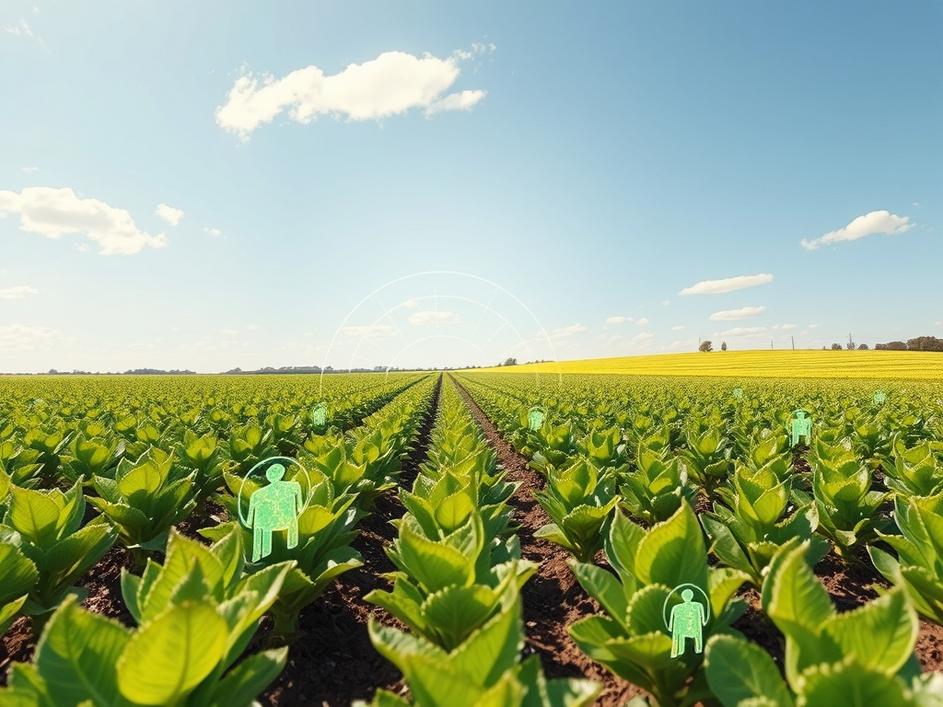
Feeding the world is a big job. As our global family grows and the planet faces new challenges like shifting weather and limited resources, how we put food on tables becomes tougher. Farming always relied on hard work, experience, and luck. What if it could be more predictable, efficient, and sustainable? New research points to an exciting answer: artificial intelligence.
What's Included?
ToggleImagine technology learning directly from plants, figuring out exactly what they need to thrive. That’s what scientists have been building. They’ve created AI systems to help us grow food in smart new ways. This isn’t just about farming robots; it’s about the intelligence guiding the whole process. These AI tools process massive amounts of data – soil moisture, temperature, light, even plant appearance – to give farmers precise advice. It’s like having an expert assistant who understands every crop, making farming easier and more effective. This AI makes farming less guesswork and more precise, understanding individual plant needs better than ever.
Our world is changing fast. More people need food, and climate change makes traditional farming tough. Droughts, floods, and resilient pests are growing issues. Good farmland is scarce, and existing soil is getting tired. Old farming methods struggle with these new demands. This is where AI helps. It offers a way to navigate these problems. By making farming smarter and targeted, AI helps us use less water, fewer fertilizers, and still grow more. It aims to make our food system strong and steady, even amidst uncertainty.
Imagine a farm where sensors constantly check every plant. An AI system processes all that data. It might spot a field section needing more water, or an early sign of disease in another. Instead of uniform treatment, which wastes resources, AI tells the farmer precisely where to act. This focused care means healthier plants, bigger harvests, and less waste. Farmers can react quicker and give crops ideal conditions. It could even allow growing food in new places, like urban or indoor farms, making fresh food widely available. This shift to precision farming greatly helps farmers manage land and grow quality produce.
From my perspective, this AI breakthrough is a potential shift in how we approach food. It’s not just about growing more, but growing better and smarter. It could make farming more stable, moving it from a gamble to a reliable process. Small family farms, often fighting market forces and unpredictable weather, might access powerful tools once only for huge companies. This could level the playing field, making local, sustainable food production more viable. But questions remain: What will this technology cost? Will all farmers have fair access? What new skills will farmers need? It’s a big step, but we must ensure this new farming era helps everyone. The farmer’s deep knowledge and connection to the land must remain central, enhanced by AI, not replaced.
Researchers made it clear: this technology is advancing very quickly. We might see these changes in our fields and on our plates sooner than expected. But moving a smart lab invention to every farm, big or small, takes effort. It needs smart investments to develop the tech further and make it affordable. Farmers will also need training and support to use these new tools. It’s not just about building AI; it’s about building the infrastructure and knowledge to support its widespread use. This journey involves scientists, policymakers, and farmers, working together. It’s a huge undertaking, but promises much for how we feed ourselves in decades ahead.
Ultimately, this isn’t just about fancy computers; it’s about a more secure, sustainable future for food. AI offers a powerful tool to meet the challenges of a hungry, changing world. It shows us a path to richer harvests, healthier soil, and a planet that can keep feeding us all.


Comments are closed