

We are a digital agency helping businesses develop immersive, engaging, and user-focused web, app, and software solutions.
2310 Mira Vista Ave
Montrose, CA 91020

2500+ reviews based on client feedback
What's Included?
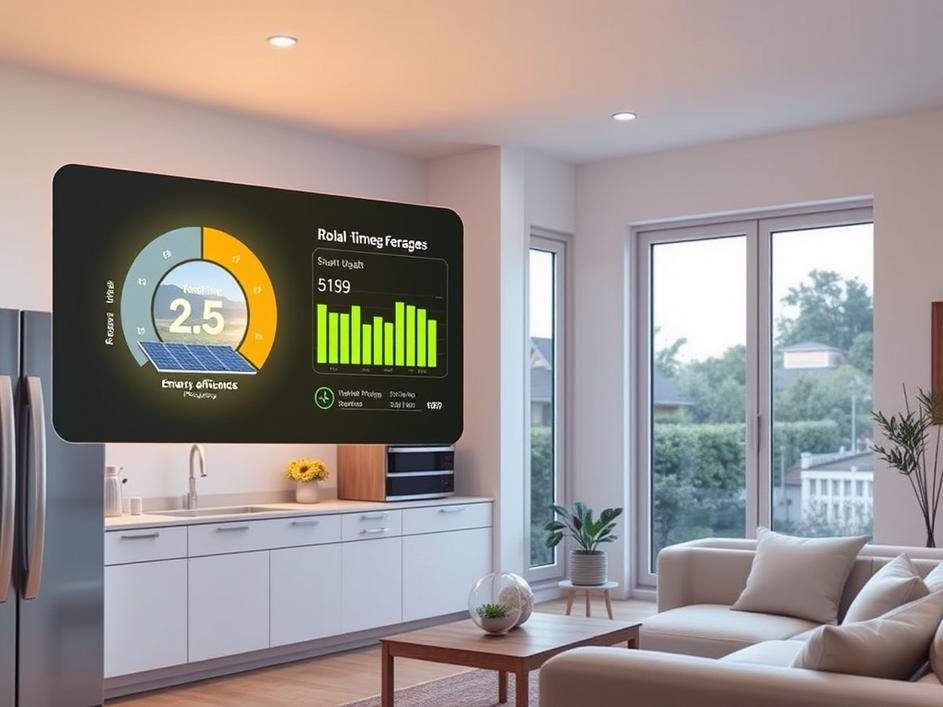
ToggleImagine a home that not only keeps you comfortable but also actively works to minimize your energy consumption and save you money. This isn’t a futuristic fantasy; it’s the reality that’s rapidly approaching, driven by the growth of smart home energy management systems (SHEMS). Recent market analysis suggests this sector is poised for explosive growth, potentially reaching a staggering $12.3 billion by 2033. But what’s fueling this surge, and what does it mean for homeowners?
Several factors are converging to create this perfect storm for SHEMS adoption. First, there’s the increasing electrification of our homes. From electric vehicles and heat pumps to induction cooktops and more personal electronics than ever before, our energy demands are growing. This means that effective energy management is becoming not just desirable, but essential. And consumers are more and more environmentally conscious. Lowering their carbon footprint is becoming more important. But the cost of energy has to be addressed, which is a major factor.
At the heart of these smart systems lies artificial intelligence. AI algorithms can analyze energy usage patterns, predict future needs, and automatically adjust settings to optimize performance. Imagine your thermostat learning your schedule and pre-heating or cooling your home only when needed, or your lighting system dimming automatically based on natural light levels. This level of automation and personalized control simply wasn’t possible just a few years ago. AI can help homeowners monitor and manage energy consumption from virtually anywhere using the internet.
While cost savings are a major draw, SHEMS offer much more than just lower energy bills. They provide homeowners with unprecedented convenience and control over their home environment. Imagine being able to remotely monitor your energy usage, detect potential problems, and adjust settings from your smartphone, no matter where you are. This level of awareness and control can provide peace of mind and enhance your overall quality of life. And, many utility companies are offering rebates on smart devices that can lower the upfront investment.
Of course, the widespread adoption of SHEMS isn’t without its challenges. Initial costs can be a barrier for some homeowners, although prices are steadily decreasing. Data privacy and security are also legitimate concerns, as these systems collect and analyze sensitive information about your energy usage habits. Interoperability between different devices and platforms is another issue that needs to be addressed to ensure seamless integration and user experience. However, the potential benefits of SHEMS are simply too great to ignore, and ongoing innovation is addressing these challenges head-on.
It’s important to note that a smart home energy management system is more than just a collection of smart devices. It’s a holistic approach to energy management that integrates various components, such as smart thermostats, smart lighting, smart appliances, and energy monitoring systems, into a cohesive and intelligent ecosystem. This ecosystem allows homeowners to gain a comprehensive understanding of their energy consumption patterns and make informed decisions about how to reduce waste and save money.
As the world grapples with the challenges of climate change, SHEMS offer a powerful tool for reducing our carbon footprint and promoting a more sustainable future. By empowering homeowners to manage their energy consumption more effectively, these systems can help to reduce demand on the grid, lower emissions from power plants, and conserve precious natural resources. The benefits extend beyond individual households, contributing to a more sustainable and resilient energy system for all.
The smart home energy management system market is poised for significant growth, driven by increasing home electrification, AI-driven energy optimization, and a growing consumer desire for cost savings and convenience. While challenges remain, the potential benefits of these systems are undeniable. As technology continues to evolve and prices continue to decline, SHEMS are likely to become an increasingly integral part of the modern home. So, are you ready to embrace the AI revolution in home energy management and unlock the potential of a smarter, more sustainable future?



Comments are closed