

We are a digital agency helping businesses develop immersive, engaging, and user-focused web, app, and software solutions.
2310 Mira Vista Ave
Montrose, CA 91020

2500+ reviews based on client feedback
What's Included?
ToggleArtificial intelligence usually brings to mind robots taking over jobs or complex algorithms crunching data. But what if AI could also make workplaces safer and, in turn, save companies money? That’s the idea Pennsylvania Representative Ryan Mackenzie brought up during a recent House Education Committee hearing. He thinks AI has the potential to significantly improve workplace safety, and that improvement could lead to lower workforce costs. It’s an interesting angle, and one worth exploring.
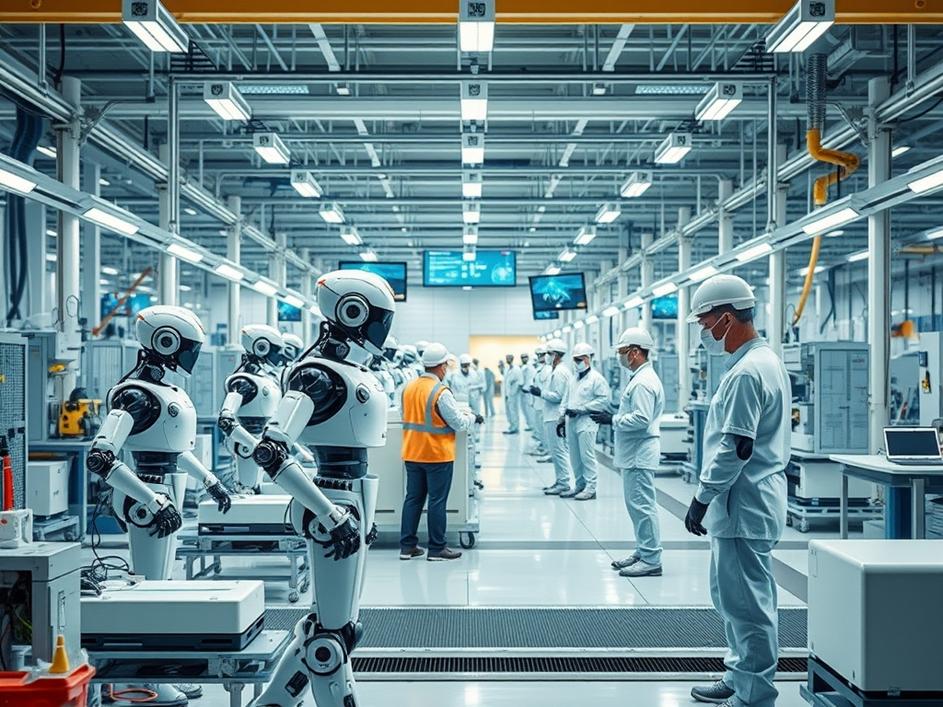
So, how exactly can AI contribute to a safer work environment? There are a few key areas. One is predictive maintenance. AI algorithms can analyze data from equipment sensors to predict when a machine is likely to fail. This allows companies to perform maintenance proactively, preventing breakdowns that could cause accidents. Imagine a factory where sensors constantly monitor the temperature and vibration of a critical machine. If the AI detects anomalies, it can alert maintenance personnel before the machine malfunctions, potentially avoiding a dangerous situation.
Another area is real-time monitoring of worker behavior and environmental conditions. AI-powered cameras and sensors can track whether workers are following safety protocols, such as wearing the correct protective gear or adhering to safe operating procedures. If a worker isn’t wearing a hard hat in a designated area, the system can issue an immediate warning. Similarly, AI can monitor air quality, temperature, and other environmental factors, alerting supervisors to potentially hazardous conditions before they become a problem. This proactive approach can significantly reduce the risk of accidents and injuries.
The connection between safety and cost savings might seem obvious, but it’s often overlooked. Workplace accidents lead to a variety of expenses, including medical bills, workers’ compensation claims, lost productivity, and potential lawsuits. By preventing accidents in the first place, AI can help companies avoid these costs. Furthermore, a safer work environment can lead to improved employee morale and reduced absenteeism, further boosting productivity and lowering expenses. It creates a virtuous cycle: safer workplaces lead to happier employees, which leads to higher productivity and lower costs.
Of course, implementing AI solutions for workplace safety isn’t without its challenges. One major hurdle is data privacy. Collecting and analyzing data on worker behavior raises concerns about surveillance and potential misuse of information. It’s crucial to establish clear guidelines and ethical frameworks for data collection and usage. Transparency is key – workers need to understand how their data is being used and have control over their privacy. Another challenge is the initial investment required to implement AI systems. However, the long-term cost savings and benefits in terms of worker safety can outweigh the initial expenses. Furthermore, smaller scale pilot programs could be used to demonstrate the efficacy of new systems.
Representative Mackenzie’s focus on AI as a tool for enhancing workplace safety highlights an important and often underestimated benefit of this technology. While AI is often associated with job displacement and automation, it also has the potential to create safer and more efficient work environments. By proactively preventing accidents and injuries, AI can save companies money, improve employee morale, and ultimately create a more sustainable and productive workforce. It’s not about replacing workers with robots, but about using technology to empower workers and create a safer, healthier, and more prosperous future for everyone.
It is important to remember that AI is a tool, and like any tool, its effectiveness depends on how it’s used. AI-powered safety systems should not be seen as a replacement for human oversight and judgment. Rather, they should be used to augment human capabilities and provide workers with the information they need to make informed decisions. Regular training, clear communication, and a strong safety culture are still essential for creating a truly safe work environment. The best approach involves combining the power of AI with the human element to create a comprehensive safety strategy.
The applications of AI for workplace safety extend far beyond the factory floor. Construction sites, warehouses, and even office environments can benefit from AI-powered safety solutions. For example, AI-powered drones can be used to inspect construction sites for hazards, while wearable sensors can monitor the health and safety of workers in remote locations. As AI technology continues to evolve, we can expect to see even more innovative applications emerge, further transforming the way we approach workplace safety. The future of work is likely to be one where humans and AI collaborate to create safer, more efficient, and more rewarding workplaces for everyone.

Comments are closed