

We are a digital agency helping businesses develop immersive, engaging, and user-focused web, app, and software solutions.
2310 Mira Vista Ave
Montrose, CA 91020

2500+ reviews based on client feedback
What's Included?
ToggleFor years, doctors have relied on mammogram density as a key indicator of breast cancer risk. Dense breast tissue can make it harder to spot tumors and is, in itself, a risk factor. But what if there was a better way? A recent study suggests that artificial intelligence might hold the key to more accurate predictions, potentially saving lives through earlier detection.
The buzz is all about a new AI model that analyzes mammogram images to predict a woman’s risk of developing breast cancer within five years. The study, presented at a major radiology conference, pitted this AI against traditional density measurements. The results? The AI model proved to be more effective at identifying women who were likely to develop the disease. This doesn’t mean density is useless, but it does suggest that AI can add another layer of insight, offering a more personalized and proactive approach to screening.
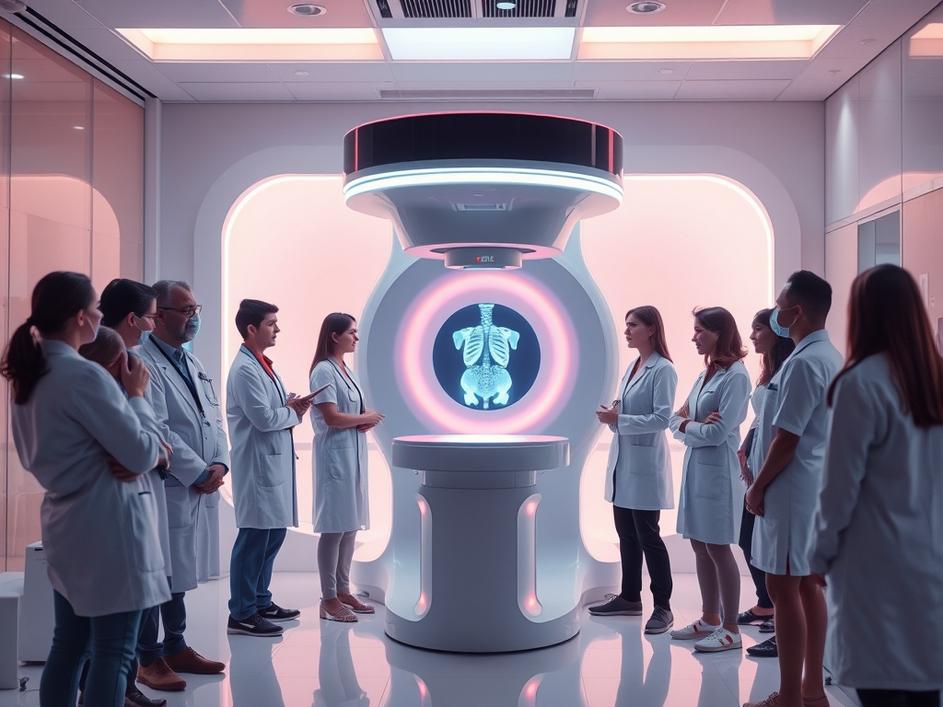
So, how can an AI look at a mammogram and predict the future? It’s all about pattern recognition. The AI is trained on a massive dataset of mammograms, learning to identify subtle indicators that the human eye might miss. These indicators can include tiny variations in tissue texture, subtle changes in blood vessel patterns, and other characteristics that, when combined, paint a more complete picture of risk. The AI is not replacing radiologists, but assisting them by flagging women who might benefit from closer monitoring or further testing.
One of the most exciting aspects of this research is the potential to move beyond a single risk factor like density. Breast cancer risk is complex, influenced by genetics, lifestyle, and environmental factors. An AI model can integrate a wider range of image-based features, offering a more nuanced and individualized assessment. It’s like going from a black-and-white photo to a full-color, high-definition image. The more information we have, the better equipped we are to make informed decisions about screening and prevention.
This AI breakthrough points to a future where breast cancer screening is far more personalized. Imagine a system where your mammogram is analyzed by both a radiologist and an AI, combining human expertise with the power of machine learning. This could lead to earlier detection, fewer false positives, and more targeted interventions. For example, women identified as high-risk could be offered more frequent screenings, genetic testing, or lifestyle counseling. Those at lower risk might be able to safely reduce the frequency of mammograms.
Of course, with any new technology, there are challenges to consider. AI models are only as good as the data they are trained on. It’s crucial to ensure that the training data is diverse and representative of the population as a whole to avoid biases. Also, more research is needed to determine how best to integrate AI into clinical practice and how to communicate risk assessments to patients in a clear and understandable way. Transparency and trust are essential for widespread adoption.
As AI becomes more prevalent in healthcare, it’s important to address the ethical implications. Who has access to this technology? How do we ensure that it’s used fairly and equitably across different socioeconomic groups and geographic regions? These are questions that policymakers, healthcare providers, and technology developers need to address proactively. The goal should be to use AI to reduce health disparities, not exacerbate them.
Despite the challenges, this research offers a real reason for optimism. Breast cancer remains a major health threat, but advances in technology are giving us new tools to fight back. AI-powered risk prediction is just one piece of the puzzle, but it’s a significant step forward. By combining the power of AI with the expertise of healthcare professionals, we can create a future where breast cancer is detected earlier, treated more effectively, and ultimately, prevented altogether. It’s an exciting time to be involved in the fight against this disease, and I am optimistic about the progress being made.
While the initial results are promising, it’s important to remember that this is just the beginning. Further research is needed to validate the AI model in larger and more diverse populations. Clinical trials will be essential to determine how best to integrate AI into routine screening practices and to assess its impact on patient outcomes. The research community is actively pursuing these questions, and I expect to see more updates and breakthroughs in the coming years. The journey towards smarter and more personalized breast cancer screening is underway, and AI is playing a crucial role in shaping the future.


Comments are closed