

We are a digital agency helping businesses develop immersive, engaging, and user-focused web, app, and software solutions.
2310 Mira Vista Ave
Montrose, CA 91020

2500+ reviews based on client feedback
What's Included?
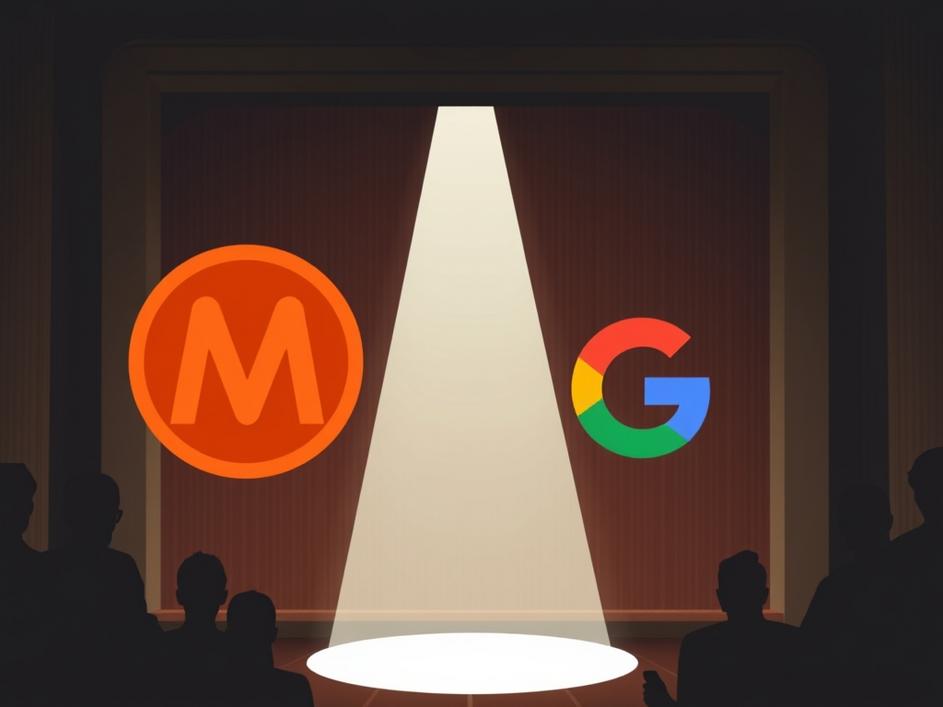
ToggleIn a move that’s sending ripples through Silicon Valley and beyond, a jury in Los Angeles has found Meta and Google liable in a landmark social media addiction trial. This isn’t just another lawsuit; it’s a potential turning point in how we understand and regulate the powerful influence of social media on our lives, especially the lives of young people. The details emerging from the courtroom paint a picture of platforms designed to be deliberately addictive, prioritizing engagement metrics over the well-being of their users. This verdict could open the floodgates for similar cases and force these tech giants to rethink their core strategies.
The heart of the case revolved around the argument that Meta (Facebook, Instagram) and Google (YouTube) knowingly designed their platforms to be addictive. Plaintiffs argued that features like infinite scrolling, push notifications, and algorithmically driven content feeds were all engineered to maximize user engagement, even if it meant sacrificing mental health and overall well-being. Expert testimony highlighted the neurological similarities between social media addiction and substance addiction, suggesting that the platforms exploit the brain’s reward system to keep users hooked. And it worked. The evidence presented allegedly showed that both companies were aware of the potential harms but chose to prioritize profit over user safety. The jury seems to have agreed with this line of reasoning.
So, what does it mean that Meta and Google have been found liable? Well, it’s not just about financial penalties, although those could be substantial. It also means they are responsible for the damages caused by their platforms’ addictive designs. The exact amount of damages will likely be determined in a later phase of the trial, but it’s safe to say that the sums involved could be significant. More importantly, this verdict sets a legal precedent. It signals to other potential plaintiffs that these companies can be held accountable for the negative consequences of social media addiction. We may see a surge of similar lawsuits in the coming months and years.
Beyond the immediate financial implications, this ruling could force Meta and Google to fundamentally change how they operate. They might be compelled to redesign their platforms to be less addictive, perhaps by limiting usage time, reducing the frequency of notifications, or offering more tools for users to manage their engagement. They could also be required to invest more heavily in research and development to better understand the psychological effects of social media and to develop strategies for mitigating potential harms. These changes wouldn’t just affect Meta and Google; they could ripple through the entire social media industry, leading to a more responsible and user-centric approach to platform design. It will be interesting to see how other social media companies like TikTok respond to these changes.
This verdict is about more than just social media addiction. It’s about the responsibility of technology companies to consider the ethical and social implications of their products. For too long, the tech industry has operated under the assumption that innovation is inherently good, regardless of its potential consequences. This ruling challenges that assumption and suggests that companies must be held accountable for the harms they cause. It’s a wake-up call for the entire industry to prioritize user well-being over profit and to take a more proactive approach to addressing the potential negative effects of technology. And it’s not just about social media; it’s about artificial intelligence, virtual reality, and all the other emerging technologies that are rapidly transforming our world.
Many are celebrating this verdict as a major victory for public health. Social media addiction has been linked to a range of mental health problems, including anxiety, depression, and suicidal ideation. By holding Meta and Google liable, the jury has sent a clear message that these companies have a responsibility to protect their users from these harms. The hope is that this ruling will lead to a more responsible and ethical approach to social media design, ultimately improving the mental health and well-being of millions of people. It is also important to consider the counter-arguments: Some argue that personal responsibility is being eroded by this verdict, that people should be responsible for their own usage, and that companies should not be penalized. But, most experts and ordinary observers agree that there are manipulative practices involved, so the Meta and Google’s response is of huge public interest.
Of course, the road ahead will be challenging. Meta and Google are likely to appeal the verdict, and the legal battle could continue for years. Even if the verdict is upheld, it will be difficult to enforce new regulations and to ensure that the companies are truly committed to protecting their users. But this ruling is a significant step in the right direction. It’s a sign that the tide is turning and that the public is no longer willing to accept the status quo. And it’s a reminder that even the most powerful tech companies can be held accountable for their actions. These companies will be extremely determined to appeal the decision, and they will probably succeed in watering down any regulations or penalties. But there is no doubt that this is a landmark victory, because it changes the public mood, and it is now clear that the general public no longer trusts big tech to regulate itself.
Ultimately, this case highlights the need for a more comprehensive approach to regulating social media. We need stronger laws, better enforcement mechanisms, and a greater awareness of the potential harms of these platforms. We also need to empower individuals to take control of their own social media usage and to make informed decisions about how they engage with these technologies. This landmark ruling is just the beginning of a long and complex process, but it’s a crucial step towards creating a more responsible and ethical digital world.



Comments are closed