

We are a digital agency helping businesses develop immersive, engaging, and user-focused web, app, and software solutions.
2310 Mira Vista Ave
Montrose, CA 91020

2500+ reviews based on client feedback
What's Included?
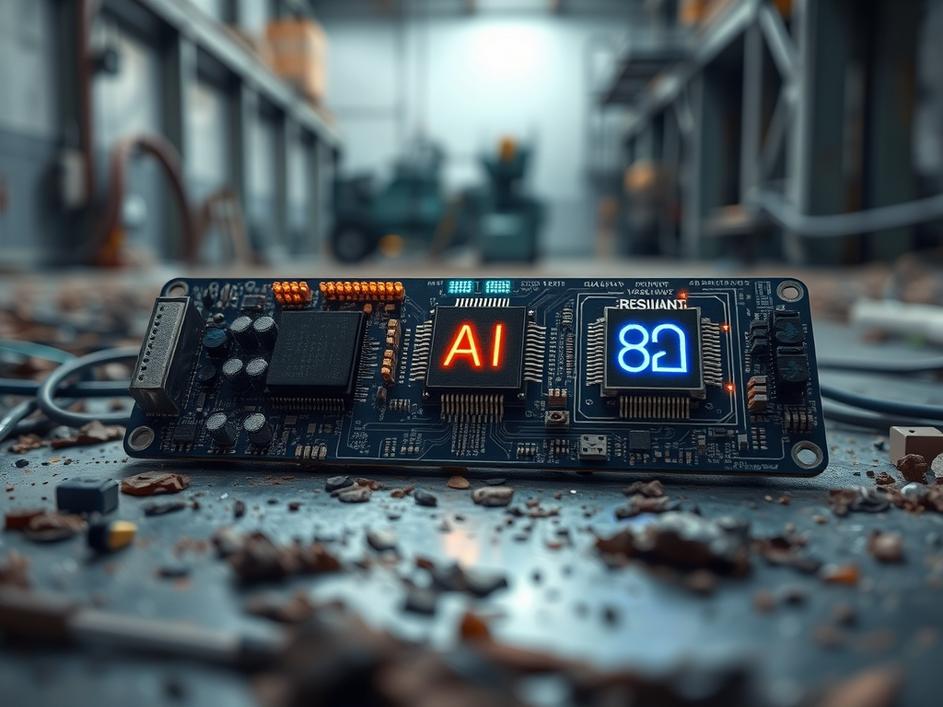
ToggleSolidRun has just announced their latest contribution to the world of edge computing: a new line of COM Express Type 6 modules. These aren’t your average circuit boards; they’re designed for rugged environments and packed with the processing power needed for artificial intelligence at the edge. The first of these modules is built around the Ryzen™ AI Embedded P100 processor, signaling a strong focus on AI capabilities.
For those not deeply familiar with embedded systems, COM Express is a standardized form factor for computer-on-modules (COMs). Think of them as building blocks for larger, more specialized systems. Type 6, in particular, offers a wide range of input/output (I/O) options, making it suitable for diverse applications. By using a standardized module, companies like SolidRun allow developers to focus on their specific application rather than reinventing the entire computing platform. This speeds up development and reduces time to market.
The choice of the Ryzen AI Embedded P100 processor is significant. AMD’s Ryzen AI line is designed specifically for edge AI workloads, meaning it’s optimized for tasks like image recognition, natural language processing, and other AI-driven applications. The “embedded” designation is important too: embedded processors are made to perform reliably in tough settings, offering a long lifespan and consistent performance over a wide temperature range. This makes these modules suitable for deployments in factories, outdoor settings, and other challenging locations.
The emphasis on ruggedness is a key aspect of these modules. Edge computing often takes place in environments far removed from climate-controlled data centers. Think of industrial robots on a factory floor, monitoring equipment in a remote oil field, or autonomous vehicles navigating city streets. These locations demand hardware that can withstand extreme temperatures, vibration, and other harsh conditions. SolidRun’s modules are designed to meet these challenges, ensuring reliable operation even in demanding environments. This likely involves features like extended temperature ranges, conformal coating to protect against moisture and dust, and robust connectors to prevent disconnections.
Another benefit of using COM Express modules is maintainability. Because the core computing functions are contained within a replaceable module, it’s easier to upgrade or repair the system. If a module fails, it can be quickly swapped out, minimizing downtime. And as newer, more powerful processors become available, the modules can be upgraded without requiring a complete redesign of the entire system. This modular approach provides a significant advantage in terms of long-term cost savings and flexibility.
SolidRun mentions that the Ryzen AI Embedded P100-based module is just the first in a broader next-generation Cx6 lineup. This suggests that they plan to offer a range of modules with different processors, memory configurations, and I/O options to cater to a variety of edge AI applications. This is good news for developers, as it provides them with more choices and allows them to select the module that best fits their specific needs.
Edge AI is gaining traction because it brings AI processing closer to the data source. Instead of sending data to a remote cloud server for processing, the analysis is done locally, on the edge device itself. This offers several advantages. First, it reduces latency, meaning the system can respond more quickly to events. This is crucial for applications like autonomous driving, robotics, and real-time monitoring. Second, it reduces bandwidth consumption, as only the results of the analysis need to be transmitted, not the raw data. This is particularly important in locations with limited connectivity. Finally, it improves privacy, as sensitive data doesn’t need to be sent over the internet.
So, where might we see these new modules in action? The possibilities are vast. Imagine smart factories with robots that can instantly recognize defects on a production line. Consider autonomous vehicles that can navigate complex environments without relying on constant cloud connectivity. Think of remote monitoring systems that can detect anomalies in pipelines or power grids, preventing costly failures. These are just a few examples of the many applications that can benefit from rugged edge AI.
SolidRun’s new COM Express modules represent a step forward in the evolution of edge computing. By combining powerful AI processors with ruggedized designs and a modular architecture, they’re making it easier than ever to deploy AI-powered systems in challenging environments. As the demand for edge AI continues to grow, we can expect to see more innovations like this that bring intelligence closer to the edge.
This announcement highlights the growing trend of bringing powerful AI capabilities to the edge, and SolidRun is positioning itself as a key player in this space. Their focus on ruggedness, maintainability, and a diverse product lineup should appeal to a wide range of customers looking to deploy AI in demanding environments. The move promises advancements in various industries, paving the way for smarter, more efficient, and more resilient systems.



Comments are closed