

We are a digital agency helping businesses develop immersive, engaging, and user-focused web, app, and software solutions.
2310 Mira Vista Ave
Montrose, CA 91020

2500+ reviews based on client feedback
What's Included?
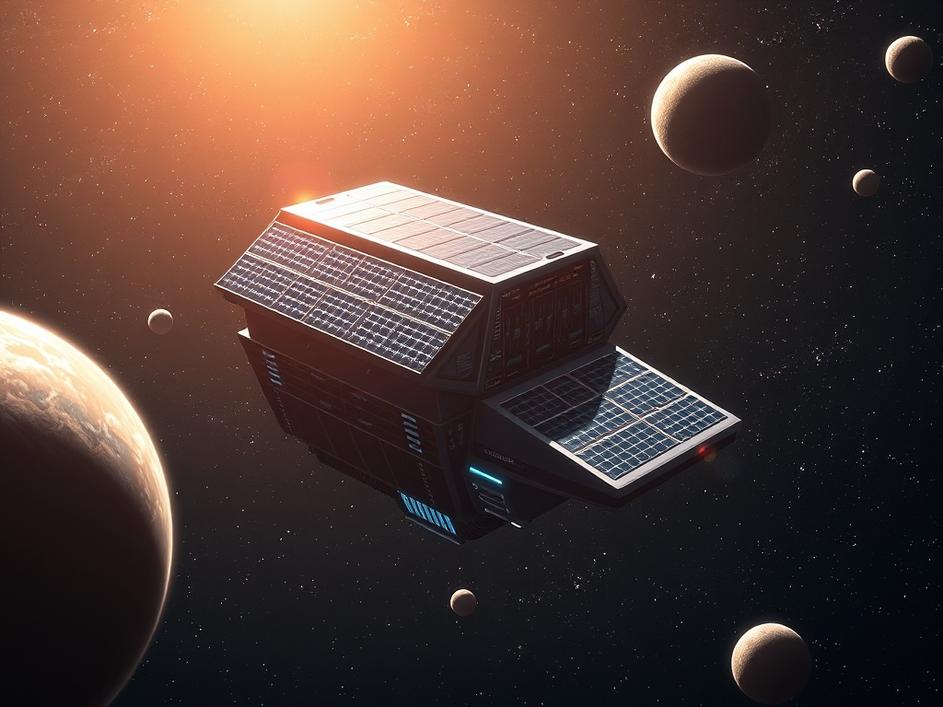
ToggleThe idea of putting data centers in space has been floated around for a while, capturing the imagination of tech enthusiasts and sparking debates about its practicality. Recently, the discussion gained new momentum when Elon Musk’s SpaceX proposed launching satellites designed to function as orbital data centers. This ambitious plan, however, has met with skepticism from some prominent figures in the tech world, most notably Sam Altman, the CEO of OpenAI. Altman dismissed the concept as “ridiculous,” highlighting the significant challenges and potential drawbacks of such an endeavor. This difference of opinion underscores the complex realities of pushing the boundaries of technology and the importance of considering both the potential benefits and the inherent limitations.
Altman’s skepticism stems from a grounded perspective on the current state of technology and the economic realities of space-based infrastructure. He raises valid points about the cost and complexities involved in building and maintaining data centers in the unforgiving environment of space. Consider the challenges of power generation, cooling, and data transmission, not to mention the logistical nightmare of repairing or upgrading equipment. The economics simply may not work, making the whole idea unrealistic, at least for now. He suggests we focus on improving earthly data centers before leaping beyond the atmosphere.
On the other hand, Elon Musk’s vision often transcends conventional limitations. His track record with SpaceX demonstrates a willingness to tackle seemingly impossible challenges and a belief in the power of innovation to overcome obstacles. The potential benefits of space-based data centers are undeniable: reduced latency due to shorter distances between satellites and users, enhanced security by isolating data from terrestrial threats, and the possibility of supporting computing needs in remote or underserved areas. Musk might be playing the long game, banking on future technological advancements to make his vision economically viable.
The challenges of building and operating data centers in space are substantial. Power generation is a critical concern. Solar power is the most obvious choice, but its availability varies depending on the satellite’s orbit and orientation. Efficient cooling systems are essential to prevent overheating, but traditional methods are difficult to implement in the vacuum of space. Data transmission requires high-bandwidth communication links, which can be expensive and subject to interference. And perhaps most daunting is the issue of maintenance and repair. Sending technicians into space to fix faulty equipment is a costly and risky proposition.
The economic feasibility of space-based data centers hinges on several factors, including the cost of launching satellites, the efficiency of power generation and cooling systems, and the demand for low-latency, high-security computing. Currently, the cost of launching payloads into space is still relatively high, although companies like SpaceX are working to reduce it. Technological advancements in areas such as solar power, advanced materials, and autonomous robotics could also make space-based data centers more economically viable in the future. So, while Altman’s assessment is grounded in today’s realities, Musk’s vision could become a reality down the line.
The debate between Altman and Musk highlights the tension between visionary ambition and pragmatic considerations in the tech world. While Musk’s space-based data center concept faces significant hurdles, dismissing it outright may be premature. History is filled with examples of ideas that were initially deemed impossible but eventually became reality. The key lies in striking a balance between pushing the boundaries of what’s possible and addressing the practical challenges that stand in the way.
Data centers themselves have evolved significantly over the years. From massive, power-hungry facilities to more efficient, cloud-based architectures, the industry has constantly adapted to changing needs and technological advancements. Space-based data centers could be the next step in this evolution, but only if the technological and economic obstacles can be overcome. It requires a step-by-step approach with solid advancements in key underlying technologies.
The idea of putting data centers in space is undeniably intriguing. It sparks our imagination and offers the potential for transformative advancements in computing and communication. However, it’s essential to approach this concept with a realistic understanding of the challenges and costs involved. While Elon Musk’s vision may seem far-fetched today, future technological breakthroughs could make it a viable option. In the meantime, focusing on improving terrestrial data centers and developing the necessary technologies for space-based infrastructure is a more prudent path forward. The future may be in the stars, but we must keep our feet firmly planted on the ground as we work towards it.



Comments are closed