

We are a digital agency helping businesses develop immersive, engaging, and user-focused web, app, and software solutions.
2310 Mira Vista Ave
Montrose, CA 91020

2500+ reviews based on client feedback
What's Included?
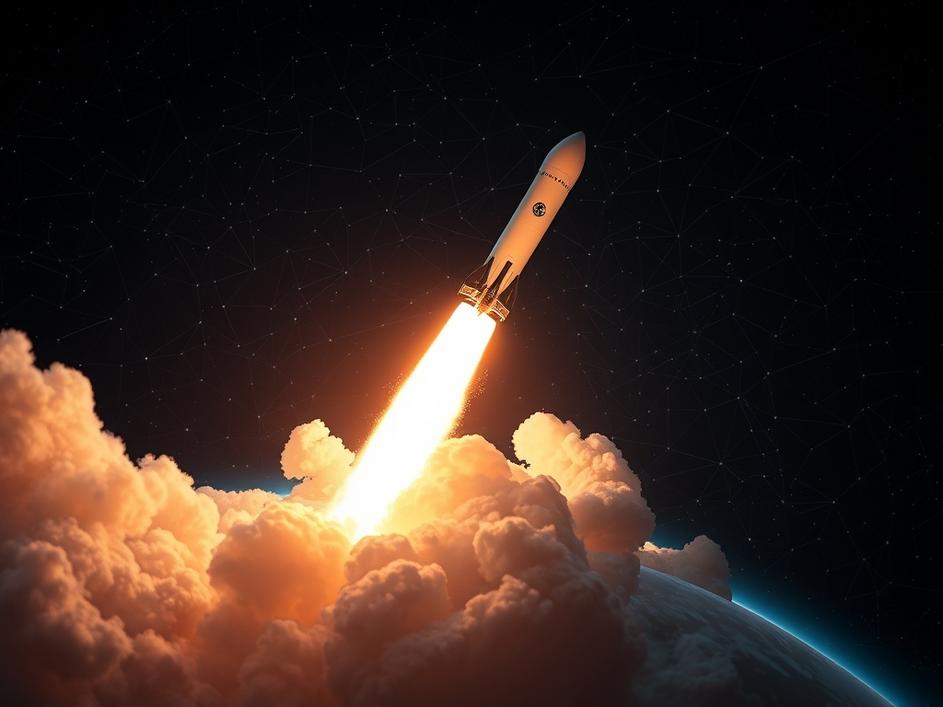
ToggleThe rumor mill is churning, and this time it’s about two of Elon Musk’s biggest ventures: SpaceX and xAI. Word on the street is that they’re exploring a potential merger, which has the tech world buzzing. This isn’t just about two companies joining forces; it’s about the possible convergence of space exploration and artificial intelligence, a combination that could redefine the future or spread resources too thin.
So, why would Musk even consider merging these two seemingly disparate entities? On the surface, it sounds like a match made in Silicon Valley heaven. SpaceX is pushing the boundaries of space travel, aiming to colonize Mars and revolutionize satellite internet with Starlink. xAI, on the other hand, is focused on building AI that can understand the universe. Put them together, and you could have AI-powered spacecraft, intelligent resource management in space, and a deeper understanding of the cosmos. But is it simply a strategic move to consolidate resources and expertise, or is there a grander vision at play?
The potential benefits of integrating AI into space exploration are huge. Imagine spacecraft that can navigate autonomously through asteroid fields, or AI systems that can manage life support systems on a Martian colony with minimal human intervention. AI could also play a crucial role in analyzing the massive amounts of data generated by space missions, helping scientists make new discoveries faster. xAI’s expertise could give SpaceX a significant edge in these areas. And but it is not without risks.
Of course, a merger of this scale isn’t without its challenges. Integrating two very different corporate cultures can be difficult, and there’s always the risk of one company overshadowing the other. Some critics might argue that Musk is spreading himself too thin, diluting his focus on core missions. And there are ethical concerns to consider. How do we ensure that AI systems used in space are safe, reliable, and free from bias? Who is accountable if an AI makes a critical error during a space mission? These are questions that need careful consideration.
Elon Musk has a track record of making seemingly impossible things happen. From electric cars to reusable rockets, he’s consistently defied expectations. But he’s also known for his ambitious goals and sometimes controversial decisions. This potential merger raises questions about his overall strategy. Is he a visionary creating a synergistic ecosystem of companies, or is he overextending himself, potentially jeopardizing the success of his individual ventures? He has also had challenges navigating the legal and political landscape. Any company merger would surely bring new issues. Only time will tell.
Let’s cut through the hype and consider the practical implications. A merger could streamline research and development efforts, allowing SpaceX and xAI to share resources and expertise. It could also make it easier to attract top talent, as engineers and scientists are drawn to the opportunity to work on cutting-edge projects that combine space exploration and AI. However, it’s important to remember that mergers are complex and often fraught with challenges. Success will depend on careful planning, clear communication, and a shared vision.
A merger of this scale will undoubtedly attract regulatory scrutiny. Governments around the world are increasingly concerned about the power of tech giants, and they may want to ensure that a combined SpaceX and xAI doesn’t create a monopoly in either the space or AI industries. Public opinion will also play a role. People will want to know that the AI systems used in space are safe, ethical, and aligned with human values. Transparency and open communication will be crucial to building public trust.
Ultimately, the potential merger of SpaceX and xAI represents a bold step into the future. It’s a gamble that could pay off handsomely, leading to breakthroughs in both space exploration and artificial intelligence. But it’s also a risky move that could spread resources too thin and create unforeseen challenges. Whether it’s a cosmic collaboration or an ambitious overreach remains to be seen. What is clear is that the world will be watching closely as this story unfolds.

Comments are closed