

We are a digital agency helping businesses develop immersive, engaging, and user-focused web, app, and software solutions.
2310 Mira Vista Ave
Montrose, CA 91020

2500+ reviews based on client feedback
What's Included?
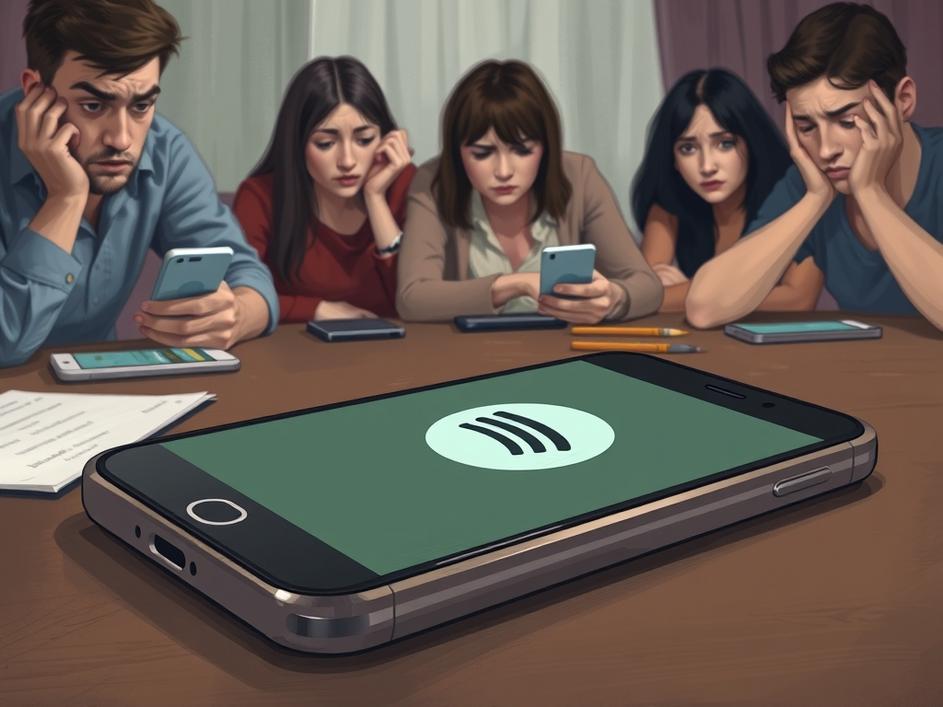
TogglePicture this: It’s Tuesday morning, November 18th, 2025. You reach for your phone, ready to greet the day with your favorite Spotify playlist. But instead of sweet melodies, you’re met with… nothing. The app refuses to open, leaving you in a silent, music-less void. Across the globe, countless Spotify users experienced the same digital heartbreak. Social media, specifically X (formerly Twitter), lit up with reports of the outage. The hashtag #SpotifyDown became a trending topic faster than you can say “technical difficulties.” It seems the world’s favorite music streaming platform had decided to take an unexpected break.
When a service as ubiquitous as Spotify goes down, it’s not just an inconvenience; it’s a social event. People flocked to X to share their frustration, confusion, and even a bit of humor. Some joked about having to resort to *gasp* listening to the radio or, even worse, *physical* CDs. Others expressed genuine panic about how they would survive their commute or workout without their carefully curated playlists. The collective online response highlighted just how deeply integrated Spotify has become in our daily lives. It’s more than just a music app; it’s a soundtrack to our lives, and when the music stops, we notice.
So, what exactly caused this digital disruption? While Spotify hasn’t released a detailed explanation, we can speculate. Outages can stem from a variety of issues, ranging from server overloads to software glitches. A sudden surge in user activity, perhaps triggered by a new album release or a viral song, could have overwhelmed the platform’s infrastructure. Alternatively, a bug in a recent app update might have caused widespread crashes. Cybersecurity incidents, while less common, are also a possibility. Regardless of the specific cause, the outage serves as a reminder of the complex technical systems that underpin our digital lives.
The impact of the Spotify outage extended beyond mere inconvenience. For many artists, Spotify is a crucial source of income. Even a brief period of downtime can translate into lost revenue from streams. Similarly, businesses that rely on Spotify for background music, such as cafes and gyms, were forced to scramble for alternative solutions. The outage also highlighted the fragility of our reliance on centralized services. When a single platform controls access to a vast library of music, its failure can have widespread consequences. This raises questions about the need for greater diversification and the potential benefits of decentralized music platforms.
The Spotify outage serves as a valuable lesson for both users and the company itself. For users, it’s a reminder to not put all your eggs in one basket. Downloading your favorite songs for offline listening can provide a musical lifeline during unexpected outages. Exploring alternative music platforms can also reduce your dependence on a single service. For Spotify, the outage underscores the importance of robust infrastructure, rigorous testing, and transparent communication. Providing users with timely updates during an outage can help alleviate frustration and maintain trust. Investing in redundancy and backup systems can minimize the impact of future disruptions.
Will we ever live in a world where music streaming is completely seamless and uninterrupted? Perhaps not. Technical glitches are an inherent part of the digital landscape. However, by learning from past experiences and investing in resilient infrastructure, we can minimize the frequency and impact of these disruptions. The Spotify outage may have been a temporary setback, but it also served as a catalyst for reflection and improvement. As we continue to rely on digital platforms for our entertainment and information, it’s crucial to prioritize reliability, transparency, and user experience. After all, in a world filled with noise, we should be able to count on our favorite music to play on demand.
Thankfully, the Spotify outage was relatively short-lived. After a few hours of silence, the music returned, and users rejoiced. Playlists were resumed, commutes were salvaged, and workouts were energized. The digital world breathed a collective sigh of relief. While the experience was undoubtedly frustrating, it also served as a reminder of the power of music to connect us and the importance of the platforms that deliver it. And who knows, maybe some of us even rediscovered the joy of listening to a physical record or two.



Comments are closed