

We are a digital agency helping businesses develop immersive, engaging, and user-focused web, app, and software solutions.
2310 Mira Vista Ave
Montrose, CA 91020

2500+ reviews based on client feedback
What's Included?
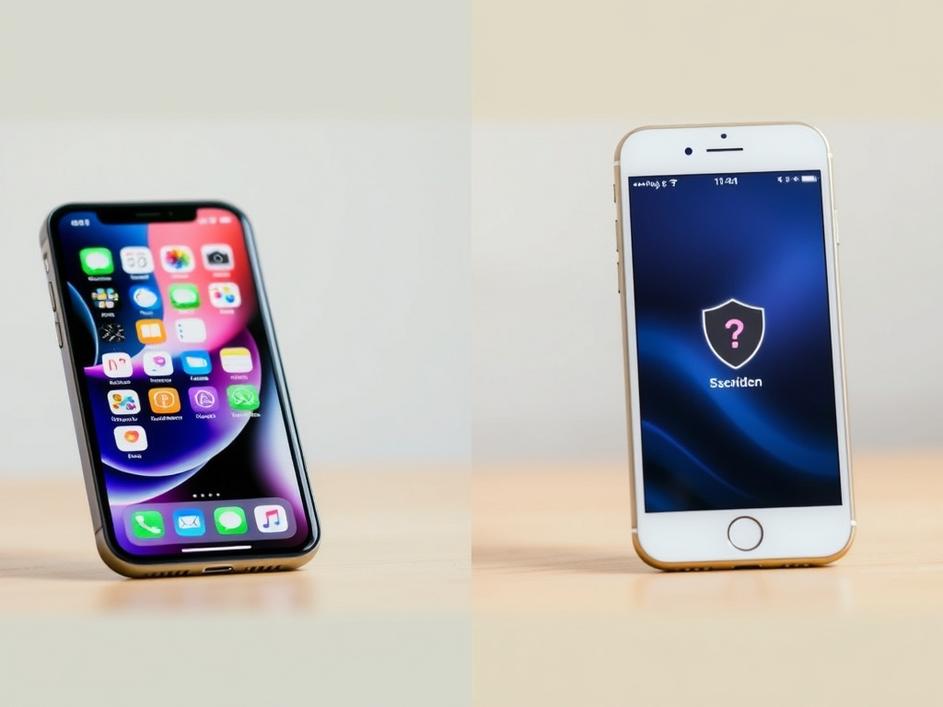
ToggleApple just dropped a bit of a curveball on us. We all expected the big splash of iOS 26.1, bringing its shiny new features and changes. And it did arrive, with all the usual buzz. But just a couple of days later, Apple quietly pushed out iOS 18.7.2. This isn’t a new feature-packed update; it’s more like a subtle nudge for a specific group of users. It really makes you wonder: why two updates so close together, and which one should you even think about putting on your iPhone? It’s not every day we get such a clear choice between the latest-and-greatest and a solid, well-tested path. This situation actually highlights how Apple tries to cater to different kinds of users, those who jump on every new thing and those who prefer a more stable, less adventurous route. It’s a tricky balance to strike, and this time, they’ve laid out the options very clearly for us to pick.
So, let’s talk about iOS 26.1. This is the update most people were probably waiting for. It’s the one with the splashy new features, the design tweaks, and the promises of a faster, smarter iPhone. Think about the new ways to customize your lock screen, the revamped apps, or maybe some fresh security enhancements that make your daily phone use feel a bit smoother or more personal. For a lot of us, getting the latest iOS version is just what we do. It feels good to have the newest stuff, to explore what’s fresh, and to be on the cutting edge. But, as with any major software jump, there’s always a bit of a gamble. New features can sometimes come with new bugs. Early adopters might face battery drain issues, app crashes, or little quirks that weren’t there before. It’s the price of being first, and while Apple does a lot of testing, you can’t catch everything until millions of people start using it. So, while 26.1 promises exciting changes, it also asks users to be okay with a few bumps in the road.
Now, let’s shift gears to iOS 18.7.2. This update isn’t about new features; it’s about stability and safety. When Apple releases an update like this for an older iOS branch, it’s usually because they found something important – a security flaw that needs patching, or a bug that was causing real problems for users who hadn’t moved on to the newest version yet. Think of it as a crucial fix for the foundation, not a new coat of paint. For many people, especially those with slightly older iPhones, or anyone who just wants their phone to *work* without drama, this update is a godsend. It means they can get vital security protection without having to worry about all the changes and potential issues that come with a big version jump like 26.1. It’s for the cautious user, the one who values reliability above all else, and who might have decided to wait out the initial waves of a major new release. It offers peace of mind, knowing your device is protected, even if it’s not sporting the very latest bells and whistles.
So, which one should you choose? It really boils down to what matters most to you. If you’re someone who loves new tech, enjoys tinkering with fresh features, and doesn’t mind a potential hiccup or two while the software settles, then jumping to iOS 26.1 is probably your path. You’ll get to experience all the latest Apple has to offer right away. On the other hand, if you’re happy with how your iPhone runs right now, if you prioritize rock-solid stability and essential security, and if you have an older model where a big update might slow things down, then sticking with iOS 18.7.2 is the smarter move. It ensures your phone remains secure and performs reliably, without the unknowns of a major upgrade. It’s a way for Apple to say, ‘Hey, we haven’t forgotten about you,’ to those who prefer a more measured approach to technology updates. Both choices are valid, and both serve different needs in the vast iPhone user base.
From my perspective, this dual release by Apple is actually quite smart. It shows they understand their diverse user base. Not everyone wants the bleeding edge. Some people need their phone to be a workhorse, always reliable, and without surprises. By offering iOS 18.7.2, Apple isn’t just patching security; they’re also giving a nod to those users who prefer stability and a longer upgrade cycle. It’s a way to keep older devices secure and functional, extending their lifespan for users who aren’t ready or don’t need to jump to the very latest hardware and software. This approach also helps manage expectations. If you’re on 18.7.2, you know exactly what you’re getting: crucial fixes and continued stability. If you’re on 26.1, you’re signing up for innovation, with the understanding that early versions might need a few more polish passes. It’s a mature way for a company to handle its software distribution, acknowledging that ‘one size fits all’ doesn’t always work in the fast-paced world of tech.
This dual-path update strategy might be something we see more often. It allows Apple to push forward with bold new features in major releases, while still providing essential maintenance for those who prefer to stay on a proven, stable platform. It gives users more control, letting them decide their comfort level with new software. For iPhone owners, it means a more personalized upgrade experience. You can be an early adopter, a cautious updater, or somewhere in between. Apple is essentially saying, ‘Here are your options, pick what’s best for you and your device.’ It’s a good move, showing an understanding of how people really use their phones, and that not everyone needs or wants the exact same thing at the exact same time. It makes the decision less about peer pressure and more about practical needs.
In the end, the choice between iOS 18.7.2 and iOS 26.1 isn’t about which one is ‘better’ in a general sense. It’s about which one is better *for you*. Think about how you use your phone, how old it is, and how comfortable you are with change. If you crave the newest features and don’t mind navigating potential initial glitches, 26.1 is waiting. But if stability, security, and a smooth experience on your current setup are your top priorities, then updating to 18.7.2 is a perfectly valid and often smarter choice. Apple has given us options, and that’s a good thing. Take a moment, weigh your priorities, and then make the decision that keeps your iPhone working best for you, whether that’s embracing the future or enjoying a finely tuned present.



Comments are closed