New Partnership in the Making
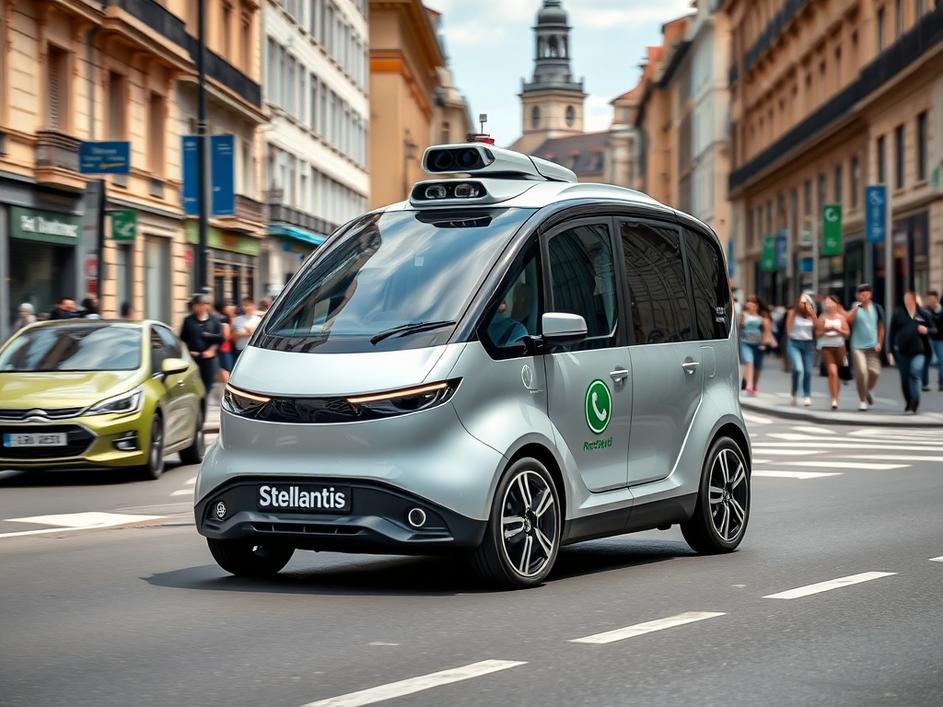
Automotive giant Stellantis and Chinese autonomous driving company Pony.ai have recently announced a non-binding agreement to work together on launching robotaxi services in Europe. While the details are still tentative, the collaboration marks a significant step in expanding self-driving technology beyond traditional markets. Both companies plan to combine their strengths — Stellantis with its vast manufacturing experience and footprint in Europe, and Pony.ai with its advanced autonomous driving software. The goal is to build robotaxis that can safely and efficiently move people around European cities.
Why Europe? The Market and Regulatory Landscape
Europe presents both opportunities and challenges for robotaxis. The continent’s dense urban centers, mixed traffic environments, and comprehensive public transportation networks create a unique setting where autonomous taxis could complement existing transit options. However, regulations remain complex and often vary from country to country. By collaborating with a well-established automaker like Stellantis, Pony.ai can better navigate these rules and tailor their technology to local requirements. For Stellantis, this partnership is a way to stay relevant in the fast-evolving mobility market without shouldering all the risk and cost of developing software alone.
How the Technology Fits Together
Pony.ai is known for its expertise in autonomous driving software and system integration. Their technology includes advanced perception capabilities using cameras, lidar, and radar, combined with sophisticated decision-making algorithms. Stellantis, meanwhile, brings decades of vehicle development and manufacturing know-how, along with an extensive lineup of vehicle platforms adaptable for self-driving tech. Together, they aim to produce robotaxis that not only can drive themselves but are also comfortable, reliable, and ready for everyday use in Europe’s demanding environments. Integration will be key — marrying software and hardware in a way that ensures safety and efficiency.
Potential Impact on Urban Mobility
If successfully deployed, robotaxis could change how people get around in cities. They might reduce the need for private car ownership, lower transportation costs, and offer a more accessible option for those unable to drive. Environmental benefits might also emerge if these fleets use electric vehicles, which are common in Stellantis’ lineup. Still, there are hurdles to overcome, such as gaining public trust, proving safety, and building the right operational networks. Partnerships like this one signal progress but also highlight the complexity of bringing autonomous vehicles into mainstream service.
Looking Ahead: Cautious Optimism
While this agreement is just the beginning, it underscores a broader trend: automakers and tech companies working together to bring autonomy to markets worldwide. Europe might be a tougher nut to crack than some regions due to infrastructure and regulations, but it’s also a critical area that could shape the future of mobility. The collaboration between Stellantis and Pony.ai offers a promising path forward, yet there is still a lot to prove on the road ahead. Watching how this partnership develops will give us valuable insight into the challenges and potential of Europe’s robotaxi industry.
In conclusion, the Stellantis and Pony.ai deal is encouraging news for anyone interested in autonomous vehicles and urban mobility. It’s not just about new tech or flashy demonstrations — it’s about building real, workable solutions that can fit into the complex realities of cities we live in. Success here could open doors for other collaborations and speed up how quickly self-driving taxis become a regular sight on European streets.






Comments are closed