

We are a digital agency helping businesses develop immersive, engaging, and user-focused web, app, and software solutions.
2310 Mira Vista Ave
Montrose, CA 91020

2500+ reviews based on client feedback
What's Included?
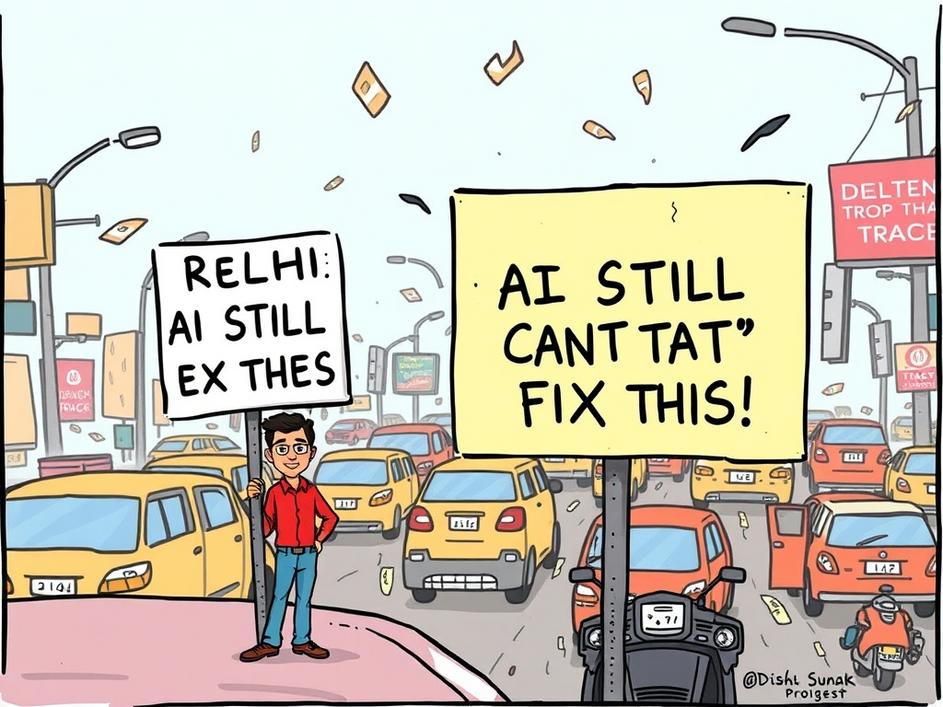
ToggleRishi Sunak, the UK Prime Minister, recently made a remark about Delhi’s infamous traffic situation. During a tech-focused event, he quipped that even artificial intelligence hasn’t figured out how to solve the city’s congestion woes. The comment, while lighthearted, touches on a serious issue faced by millions in India’s capital and countless other cities worldwide. It’s a simple observation, really. We all know traffic can be a nightmare, and sometimes even the smartest tech can’t seem to fix it. But Sunak’s comment opens a bigger discussion: what *can* fix traffic, and what are we willing to do about it?
Delhi’s traffic is legendary, and not in a good way. Anyone who’s spent time there knows the feeling of being stuck in gridlock, watching the clock tick as you inch forward. The sheer volume of vehicles, combined with often unpredictable driving habits, creates a challenging environment. Add in factors like road construction, special events, and the occasional wandering cow, and you’ve got a recipe for transportation chaos. The economic costs are significant, too, with lost productivity and increased fuel consumption adding up over time. It’s not just an inconvenience; it impacts people’s livelihoods and the overall efficiency of the city.
So, why can’t AI fix it? Well, AI *is* being used to improve traffic flow in some areas. Smart traffic lights that adjust timing based on real-time conditions, navigation apps that suggest alternative routes, and even self-driving cars (in theory) all have the potential to ease congestion. However, AI is only as good as the data it receives and the rules it’s programmed to follow. Human behavior, which is often irrational and unpredictable, is a major variable that AI struggles to account for. AI can optimize routes and predict congestion, but it can’t force people to drive differently or magically create more road space. Furthermore, deploying AI solutions requires significant investment in infrastructure and technology, which can be a barrier for many cities.
The problem is that relying solely on technology to solve traffic is like putting a band-aid on a much larger wound. The root causes of congestion are complex and multifaceted. Rapid urbanization, inadequate public transportation, and a lack of urban planning all contribute to the problem. A surge in private vehicle ownership, often fueled by affordability and convenience, further exacerbates the issue. Unless these underlying problems are addressed, even the most sophisticated AI solutions will only offer marginal improvements. We need to think holistically about urban mobility, not just rely on tech fixes.
So, what are some more sustainable solutions? Investing in robust and reliable public transportation is crucial. This includes expanding metro networks, improving bus services, and promoting cycling and walking infrastructure. Encouraging the use of public transport through incentives like subsidized fares or dedicated bus lanes can also be effective. Furthermore, implementing congestion pricing schemes, where drivers pay a fee to enter certain areas during peak hours, can help to discourage private vehicle use and reduce traffic volume. Urban planning also plays a vital role. Designing cities with mixed-use zones, where people can live, work, and shop within close proximity, can reduce the need for long commutes and decrease reliance on cars. This requires a long-term vision and a commitment to creating more sustainable and livable urban environments. And we need to be honest with ourselves. Are we willing to accept potentially unpopular policies if it means less time sitting in traffic?
Ultimately, changing people’s behavior is essential to solving traffic congestion. This requires a combination of education, awareness campaigns, and stricter enforcement of traffic laws. Encouraging carpooling, promoting flexible work arrangements, and educating drivers about responsible driving habits can all contribute to a culture of safer and more efficient transportation. Strict enforcement of traffic rules, including penalties for speeding, reckless driving, and illegal parking, is also necessary to deter bad behavior and ensure that everyone follows the rules of the road. It’s about creating a sense of collective responsibility and fostering a culture of respect for other road users.
Sunak’s comment, while seemingly a simple jab, highlights the limitations of technology in solving complex societal problems. Addressing Delhi’s traffic woes, and those of countless other cities, requires a collaborative effort involving governments, urban planners, technologists, and, most importantly, citizens. It’s not just about finding the smartest AI solution; it’s about creating a sustainable and equitable transportation system that meets the needs of everyone. The path forward requires a willingness to embrace innovation, address the root causes of congestion, and foster a culture of responsible and sustainable transportation.
Maybe Sunak’s words serve as a little nudge. A reminder that real change takes more than just algorithms. It takes vision, commitment, and a willingness to rethink how we move around our cities. It’s time to stop dreaming of quick tech fixes and start building the sustainable transportation systems our future demands.


Comments are closed