

We are a digital agency helping businesses develop immersive, engaging, and user-focused web, app, and software solutions.
2310 Mira Vista Ave
Montrose, CA 91020

2500+ reviews based on client feedback
What's Included?
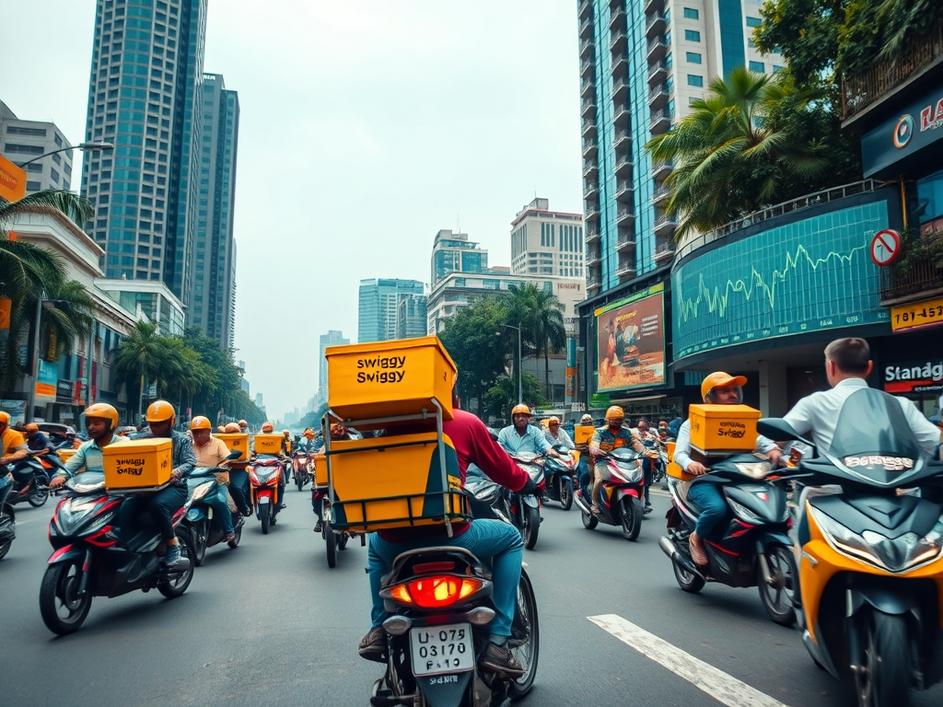
ToggleIndia is experiencing a delivery boom. Forget just pizza; people are ordering everything from groceries to electronics via apps. Swiggy, one of the biggest players in this market, handles millions of orders daily. To manage this massive scale, they need more than just delivery drivers. They need serious data power.
Swiggy is using Microsoft Fabric, a data analytics platform, to make sense of the massive data streams generated by its operations. Think about it: every order, every delivery, every customer interaction creates data. Analyzing this data in real-time allows Swiggy to quickly adapt to changing customer demands and market conditions. But what exactly are they doing with all that data?
It’s not just about knowing where your biryani is. Real-time data insights help Swiggy in many ways. They can optimize delivery routes to reduce wait times. They can identify popular menu items and ensure restaurants are prepared. They can even personalize offers to individual customers based on their past orders. This level of personalization and efficiency is only possible with a robust data analytics infrastructure like Microsoft Fabric.
One of the most interesting applications of real-time data is predictive analytics. Swiggy can use historical data and current trends to forecast future demand. This allows them to proactively allocate resources, such as delivery drivers, to areas where they are most needed. It also helps prevent potential problems, such as restaurants running out of ingredients during peak hours. By anticipating future needs, Swiggy can ensure a smooth and efficient experience for both customers and restaurants.
The food delivery market in India is incredibly competitive. Swiggy faces stiff competition from other major players. In this environment, having a data-driven approach can be a major differentiator. By using real-time intelligence to optimize their operations and personalize the customer experience, Swiggy can gain a significant edge over its rivals. It’s not just about delivering food; it’s about delivering the best possible experience, consistently.
Swiggy started as a food delivery app, but it has since expanded into other areas, such as grocery delivery and even package delivery. This expansion requires even more sophisticated data analytics capabilities. As Swiggy adds more services to its platform, the amount of data it generates will only continue to grow. Microsoft Fabric provides the scalability and flexibility needed to handle this increasing data volume and complexity. The more data they have, the better they can understand customer needs across all areas of their business.
While technology plays a crucial role, it’s important to remember the human element. Swiggy is using data to empower its employees to make better decisions. Delivery drivers can use real-time traffic information to optimize their routes. Restaurant managers can use sales data to adjust their menus and staffing levels. Customer service representatives can use customer data to provide personalized support. By providing employees with the right information at the right time, Swiggy can improve efficiency and customer satisfaction across the board.
With great data power comes great responsibility. Swiggy must be mindful of privacy and ethical considerations when collecting and using customer data. It’s important to be transparent about data collection practices and to give customers control over their data. Swiggy should also ensure that its data analytics algorithms are fair and unbiased. Building trust with customers is essential for long-term success, and that requires a commitment to responsible data practices.
The story of Swiggy and Microsoft Fabric highlights the growing importance of data analytics in the delivery industry. As technology continues to evolve, we can expect to see even more sophisticated applications of real-time data. The future of delivery will be data-driven and personalized, with companies using data to anticipate customer needs and deliver seamless experiences. Swiggy’s success demonstrates how a commitment to data can transform a business and create a competitive advantage. Ultimately, it’s about using data to make life easier and more convenient for millions of people.


Comments are closed