What Globant’s Synthetic Operator Aims to Do
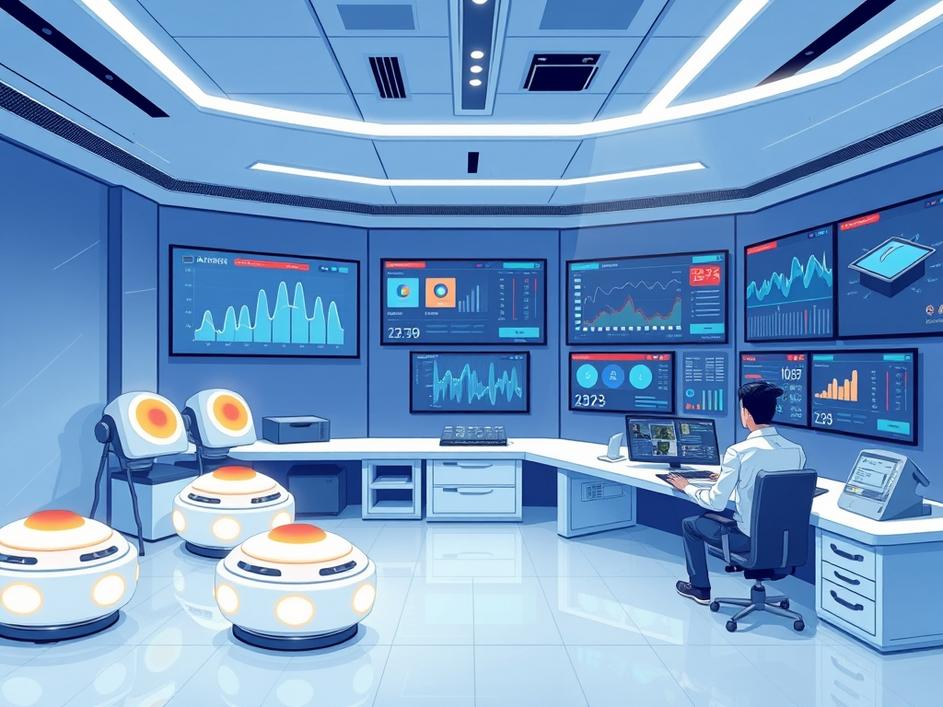
Globant has introduced a new framework for watching live streams. The idea is to run compact AI pods that keep an eye on every feed and catch problems as they happen. These AI pods work with real people who verify and handle tougher issues. The goal is simple: keep streams steady around the clock, even when dozens or hundreds of feeds are live at once. This setup is meant for big events, sports, gaming, and any situation where live video must stay smooth and reliable.
A New Way to Run Quality Checks
Rather than relying on a single giant QA team, the pods split tasks. Some pods keep an eye on picture quality and audio hiccups, others monitor timing, captions, and stream health. When something looks off, the system flags it and offers possible fixes. Humans step in to review, approve, or override the course of action. The process aims to be quick but careful, with humans guiding decisions when the situation is unclear.
Why This Could Change How Streams Are Kept Smooth
The main benefit here is scale and speed. AI can monitor many streams at once, while human operators handle the tricky parts that require nuance. The system can present a clear sequence of steps to take, such as adjusting the bitrate, switching to a backup feed, or coordinating the right tech teams. If this rhythm holds, outages may become shorter and fewer, and routine QA tasks can be done with less manual effort.
Caution Flags and Real-World Hurdles
There are obvious risks. AI can misread data, leading to false alarms or missed issues. Latency in decision loops can slow response times if not kept tight. Privacy and data handling need clear rules, especially when streams include user content. Relying on a vendor brings some risk if prices or features shift, or if the platform changes how it works. Most important, humans should stay in the loop to judge unusual or new kinds of problems.
What It Means for Budgets and Teams
For smaller teams, this kind of setup can boost reliability without hiring a large staff. Bigger operations can scale quality checks across many streams without exploding headcount. The tool will only pay off if it fits existing workflows and tools, and if teams get clear feedback from past incidents. If the pods improve root-cause analysis, that could help teams fix problems more quickly and learn from them over time.
A Practical Takeaway for Live Streaming
Overall, this move is a practical step toward steadier streams in a world where live content is everywhere. It mixes automated watching with human judgment, aiming to reduce outages and keep viewers happy. The success will hinge on how well the system fits into current processes, respects privacy, and adapts to different kinds of streams. In the end, resilience comes from a thoughtful balance between fast AI help and careful human oversight.



Comments are closed