

We are a digital agency helping businesses develop immersive, engaging, and user-focused web, app, and software solutions.
2310 Mira Vista Ave
Montrose, CA 91020

2500+ reviews based on client feedback
What's Included?
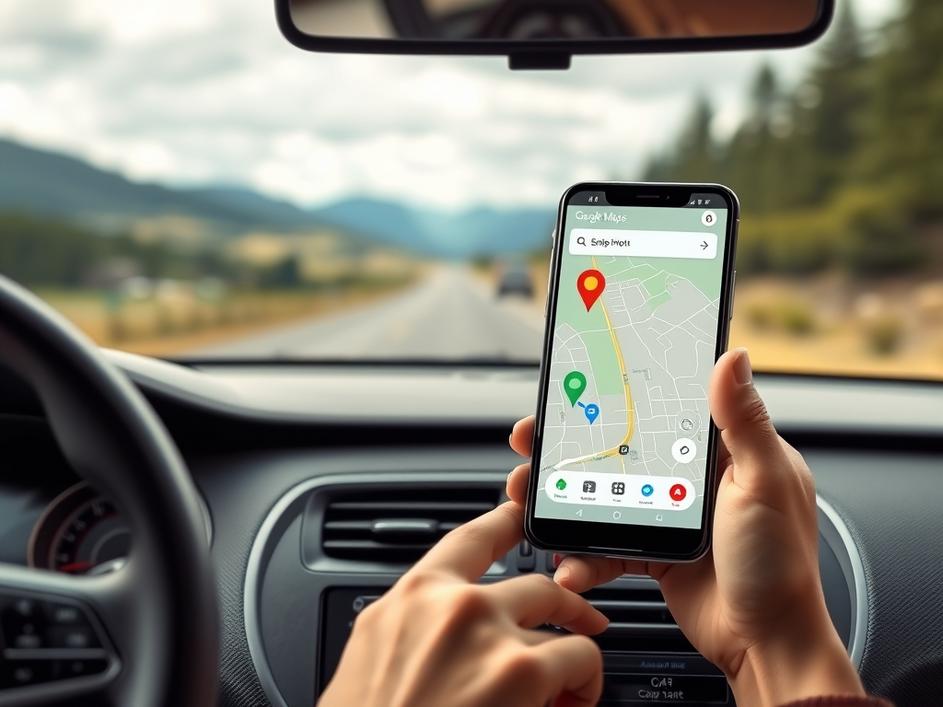
ToggleFor years, Google Maps has been our trusty, if sometimes bossy, navigator. You know the drill: “Turn right in 300 feet.” “Continue straight for one mile.” It was always direct, always clear, but let”s be honest, it wasn”t exactly a conversationalist. It felt like getting instructions from a very efficient, but somewhat humorless, robot. There was no room for “Hey, maybe try this way because there”s a cool coffee shop down that street,” or “Heads up, traffic is getting heavy up ahead, but I have a shortcut for you.” It just gave orders. We followed. And for the most part, it worked. But a part of us, I think, always wished for a little more personality, a bit more understanding from our digital co-pilot. Well, it seems Google was listening, because a big change is rolling out that aims to make Google Maps feel a whole lot more “human.” This isn”t just a small tweak; it”s a fundamental shift in how we might interact with one of our most used apps, turning a command-giver into something more akin to a helpful friend sitting next to you.
So, what does it mean for Google Maps to become more “human”? It means moving beyond those blunt, turn-by-turn commands to something more intuitive and context-aware. Imagine your Maps app not just telling you to turn, but explaining *why*. “We”re turning right here to avoid a big traffic jam up ahead,” it might say. Or perhaps, if you”ve missed a turn, instead of just a monotone “Recalculating,” it offers a more reassuring “Oops, no worries, I”ve got a new route for you, just take the next left.” It”s about anticipating your needs, understanding nuances, and making the interaction feel less like an instruction manual and more like a real conversation. This shift aims to reduce the mental load on drivers, making navigation smoother and less stressful. It means the app might start to understand more complex requests or even offer proactive advice without you having to ask. Think of it as having a knowledgeable local friend in your passenger seat, guiding you with helpful tips rather than just barking out directions.
The move towards a more human-like co-pilot in Google Maps isn”t just about nicer voice prompts; it hints at a deeper intelligence under the hood. This new approach could mean that Maps is better at understanding your natural language commands. Instead of specific keywords, you might be able to simply say, “Hey Google, find a gas station on our way, but not too far off the main road,” and it understands the context and gives you relevant options. This kind of interaction moves beyond simple navigation to a more comprehensive travel assistant. It could start to learn your preferences, too. Do you always prefer scenic routes even if they take a little longer? Does heavy traffic make you anxious, so you”d rather take a slightly longer but clearer path? A truly “human” co-pilot would pick up on these cues and tailor its suggestions, making each trip feel more personalized. It”s about creating a bond of trust and utility, where the app isn”t just a tool, but a companion that understands your journey, literally and figuratively.
From my perspective, this evolution of Google Maps is a really interesting development. On one hand, the benefits are clear: reduced stress while driving, more helpful context, and an overall smoother navigation experience. Driving can be demanding, and anything that makes it easier and more intuitive is a win for many people. Nobody likes feeling lost or confused, especially when they”re trying to focus on the road. A more conversational and understanding GPS could genuinely improve road safety by keeping drivers more focused and less distracted by confusing instructions. However, there”s also a slightly unsettling aspect to this. As our technology becomes more “human-like,” do we risk becoming overly reliant on it? Will our own internal sense of direction and problem-solving skills diminish if an AI is always there to smoothly guide us? The line between human and machine interaction blurs further, and while convenience is great, it”s worth pondering the long-term implications. It”s a balance, really. We want helpful tools, but we also need to maintain our own capabilities. This advancement forces us to think about how we engage with our technology and where we draw the line between a helpful assistant and something that might replace our own cognitive functions.
Looking ahead, this more human-like Google Maps could pave the way for even more integrated and intelligent travel experiences. Imagine your car”s infotainment system not just displaying directions, but engaging in a full dialogue with you. Your Maps app could connect with your calendar, reminding you of an appointment and suggesting a departure time based on real-time traffic, perhaps even booking you a parking spot when you get close. It could become a predictive assistant, knowing when you”re getting low on gas and suggesting a favorite station, or understanding your mood and suggesting a calming route or a specific playlist. The possibilities extend beyond just driving; think about walking directions that tell you about nearby points of interest or public transport updates that feel like advice from a friend who knows the city inside out. This isn”t just about getting from A to B; it”s about enhancing the entire journey, making it richer, smarter, and much more personalized. The next step could see Maps becoming less of an app you open and more of an omnipresent, intelligent layer woven into your daily life, offering guidance before you even realize you need it.
The shift in Google Maps from a straightforward command-giver to a more “human” co-pilot marks a significant evolution in how we interact with technology. It promises a smoother, more intuitive, and less stressful travel experience for millions of users. While it brings incredible convenience and opens doors to fascinating future possibilities, it also nudges us to consider our relationship with these increasingly intelligent digital companions. It”s exciting to see our tools adapt to us, learning to speak our language and understand our needs. As our cars get smarter and our roads get busier, having a patient, understanding voice guiding us might be just what we need to make every journey a little bit easier, and a lot more pleasant.



Comments are closed