

We are a digital agency helping businesses develop immersive, engaging, and user-focused web, app, and software solutions.
2310 Mira Vista Ave
Montrose, CA 91020

2500+ reviews based on client feedback
What's Included?
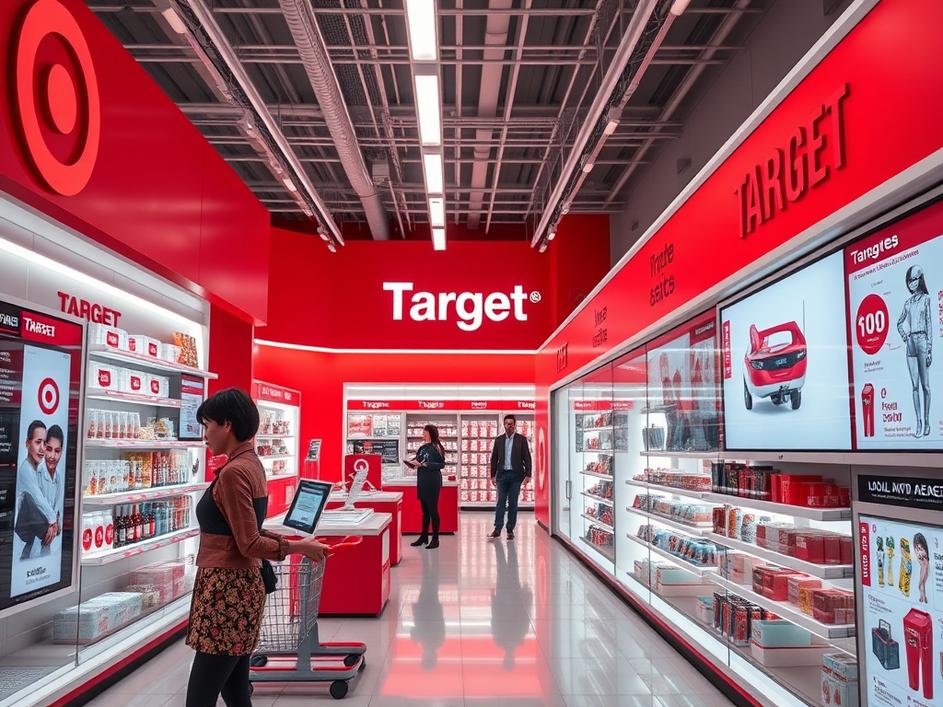
ToggleTarget, a name synonymous with affordable style and that irresistible dollar spot, is making a bold move. They’re teaming up with OpenAI, the artificial intelligence powerhouse behind technologies like ChatGPT, in an effort to revitalize sales. It’s a pretty clear signal that Target recognizes the retail landscape is changing, and they need to adapt, and fast.
So, why OpenAI? Well, AI is increasingly becoming a crucial component for businesses. It can analyze shopping trends, personalize recommendations, and even streamline customer service. It seems Target wants to use OpenAI’s capabilities to better understand its customers and, ultimately, get them to buy more stuff. This isn’t just about fancy chatbots; it’s about using data to make smarter decisions across the board. Imagine personalized product suggestions popping up in the app, or in-store displays tailored to local preferences. The possibilities are endless.
Let’s be real, the headline points to a sales slump. Target, like many retailers, has faced challenges recently. Inflation, changing consumer habits, and increased competition from online giants have all taken a toll. It’s no longer enough to just stock shelves; retailers need to offer experiences, convenience, and value. This partnership with OpenAI could be the shot in the arm Target needs to stand out and regain its footing in a competitive market. We have seen other retailers like Walmart start to do this as well, so Target following suit makes sense.
Okay, so what does this mean for the average Target shopper? In the short term, probably not much. These kinds of changes take time to implement. But down the road, expect a more personalized shopping experience. Think smarter search functions on the Target website and app, tailored recommendations based on your past purchases, and potentially even AI-powered assistance in stores. It could also mean more efficient inventory management, leading to fewer empty shelves and faster restocking. And in the background, it’s pretty sure that supply chains will get a refresh. But for now, it might just mean more accurate search results in the Target app.
Of course, any major tech investment comes with risks. Implementing AI is expensive, and there’s no guarantee it will pay off. There are also ethical considerations around data privacy and algorithmic bias. Target needs to ensure it’s using this technology responsibly and transparently. But the potential rewards are significant. If Target can successfully use AI to enhance the customer experience and streamline its operations, it could gain a significant competitive advantage. However, a lot of this comes down to trust. Customers need to feel that Target is not using their data maliciously, and in fact is using it to better improve their shopping experiences.
It’s easy to get caught up in the hype surrounding AI, but let’s consider some practical examples of how Target might use OpenAI’s technology. Imagine using the Target app to take a picture of a dress you saw on social media, and the app instantly identifies similar items available at Target. Or picture an AI-powered personal shopper that helps you find the perfect gifts for everyone on your list, based on their interests and your budget. These aren’t just futuristic fantasies; they’re entirely within the realm of possibility with today’s AI technology. The question is whether Target can successfully integrate these tools into its existing operations.
This partnership between Target and OpenAI is a clear indication that AI is not just a passing fad; it’s the future of retail. Companies that embrace AI and use it to enhance the customer experience are likely to thrive, while those that resist change risk falling behind. It is also worth noting that we may start to see AI start to replace humans in the workforce. While it may seem like a futuristic thought, we may see this in the next few years as the AI models get better and more accurate.
Ultimately, Target’s move is a sign of the times. The retail world is evolving at an unprecedented pace, and companies need to be innovative to survive. Partnering with OpenAI is a bold step, and whether it’s a stroke of genius or a costly misstep remains to be seen. But one thing is certain: the next few years will be fascinating to watch as Target navigates this new AI-powered landscape. We should be looking at how they adapt to this new technology. It’s not about replacing humans, but augmenting them. Whether this will pay off remains to be seen, but I am hopeful that this will make the Target shopping experience even better.



Comments are closed