

We are a digital agency helping businesses develop immersive, engaging, and user-focused web, app, and software solutions.
2310 Mira Vista Ave
Montrose, CA 91020

2500+ reviews based on client feedback
What's Included?
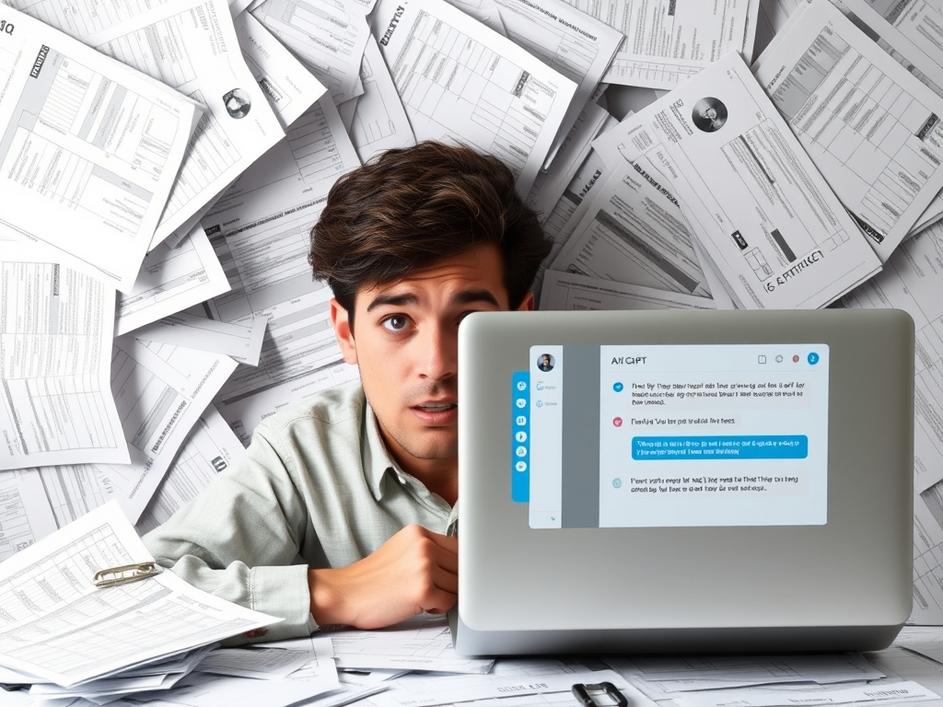
ToggleIt’s that time of year again – tax season. Even though the deadline is an annual event, it always seems to sneak up. Suddenly, April is here, and you’re scrambling to gather W-2s, receipts, and figure out deductions. This year, I decided to try something different: I asked ChatGPT for a last-minute tax-filing checklist. I wanted to see if AI could actually help me get organized and avoid a frantic rush to the finish line.
So, I typed my request into ChatGPT: “Give me a last-minute checklist for filing my taxes.” The AI quickly generated a list. It covered the essentials: Gathering tax documents (W-2s, 1099s, etc.), checking for deductions and credits, choosing a filing method (online, mail, or professional), and understanding the deadlines. It was a solid, if somewhat generic, starting point. The AI also suggested reviewing the previous year’s tax return, which is a smart way to jog your memory about potential deductions or credits you might have forgotten about.
The checklist mentioned deductions and credits, but I wanted more specifics. I prompted ChatGPT to elaborate on common deductions and credits. It listed things like the standard deduction (which most people take), itemized deductions (if your expenses exceed the standard deduction), the Earned Income Tax Credit (for low- to moderate-income individuals), and the Child Tax Credit. While it provided a good overview, it also highlighted the importance of researching eligibility requirements and specific rules for each. This is a critical point because tax laws can be complicated, and claiming a deduction or credit you’re not entitled to can lead to problems with the IRS.
ChatGPT also outlined the different ways to file your taxes. It mentioned online tax software, filing by mail, and hiring a tax professional. It correctly pointed out the pros and cons of each option. Online software is generally the cheapest and most convenient, but it might not be suitable for complex tax situations. Filing by mail is the most traditional method, but it’s also the slowest and carries a higher risk of errors. Hiring a tax professional is the most expensive option, but it can be worth it if you have a complicated tax situation or simply want the peace of mind of knowing that your taxes are being handled correctly.
What I found most helpful about using ChatGPT was the speed and organization it provided. Instead of spending hours searching the internet for tax information, I had a comprehensive checklist in minutes. It helped me identify the key areas I needed to focus on and prompted me to think about deductions and credits I might have overlooked. It was like having a virtual tax assistant to keep me on track.
However, it’s important to remember that ChatGPT is not a substitute for professional tax advice. While it can provide general information and guidance, it cannot offer personalized recommendations based on your specific financial situation. Tax laws are complex and constantly changing, and it’s essential to consult with a qualified tax professional if you have any questions or concerns. Also, while the AI is quick, it is not perfect. It’s crucial to verify all information provided by ChatGPT with official sources, such as the IRS website or a tax professional.
While the checklist was a good start, it wasn’t exhaustive. It didn’t mention some niche deductions or credits that might be relevant to certain taxpayers, such as deductions for student loan interest or credits for energy-efficient home improvements. It also didn’t address state income taxes, which can be a significant factor for many people. This highlights the importance of using ChatGPT as a starting point, not as a complete solution.
Overall, my experience using ChatGPT for tax-filing assistance was positive. It provided a helpful checklist, offered a good overview of key tax concepts, and saved me time and effort. However, it’s crucial to remember that AI is not a replacement for human expertise. Always verify the information provided by ChatGPT with official sources and consult with a tax professional if you have any questions or concerns. Think of ChatGPT as a helpful assistant, but not as your sole source of truth. It’s a useful tool for getting organized and understanding the basics, but the responsibility for accurate tax filing still rests with you.
As AI technology continues to evolve, it will likely play an increasingly important role in many aspects of our lives, including tax preparation. By using tools like ChatGPT wisely and supplementing them with human expertise, we can navigate the complexities of tax season more effectively and ensure that we are meeting our obligations to the IRS. The key is to stay informed, be cautious, and never rely solely on AI for critical financial decisions. Taxes might always be a little stressful, but with the right tools and knowledge, you can make the process a whole lot smoother. So, embrace the technology, but don’t forget the human touch!



Comments are closed