

We are a digital agency helping businesses develop immersive, engaging, and user-focused web, app, and software solutions.
2310 Mira Vista Ave
Montrose, CA 91020

2500+ reviews based on client feedback
What's Included?
ToggleThe world is becoming increasingly reliant on data. Everything from streaming movies to managing finances depends on data centers. These massive facilities consume enormous amounts of energy. It’s no surprise that powering them is a growing concern, especially regarding environmental impact. Recently, some of the biggest names in tech, including Alphabet (Google’s parent company), made a significant pledge at the White House. They promised to invest in powering their next-generation data centers with clean energy.
The White House event highlighted the importance of public-private partnerships in tackling climate change. The commitment from these tech giants isn’t just about good PR; it’s a recognition that sustainable practices are vital for their long-term success. Data centers are power-hungry beasts, and finding greener ways to feed them is essential. The pledge included specific targets for using renewable energy sources like solar and wind power.
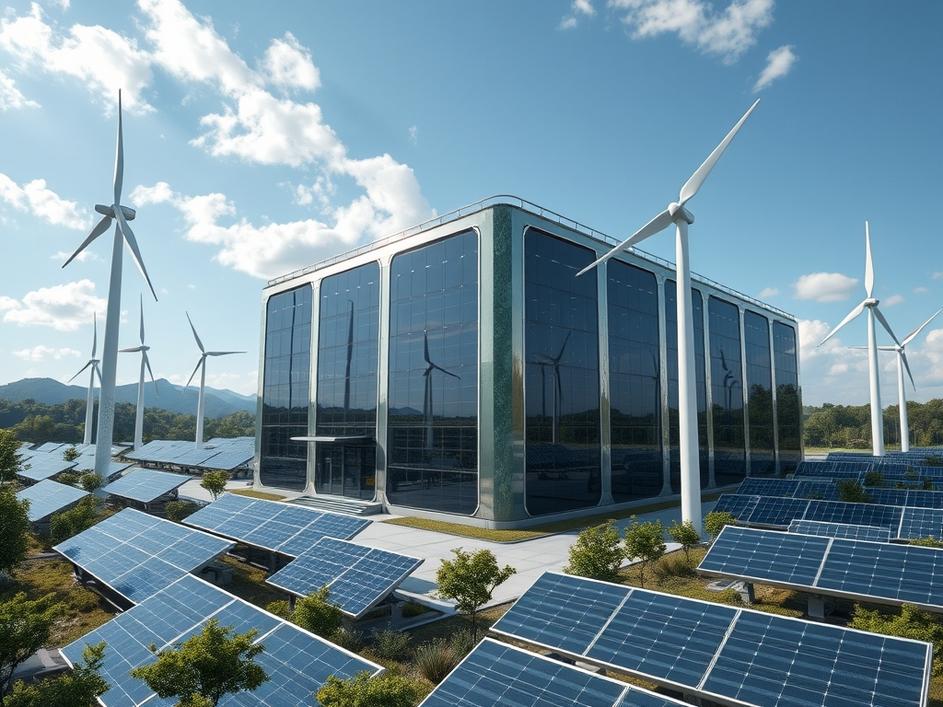
This pledge translates into real-world investments in renewable energy infrastructure. Think massive solar farms and wind turbine arrays dedicated to powering these data centers. It also means exploring new technologies like advanced energy storage and smarter grid management systems. For example, Google has already invested heavily in renewable energy projects around the globe. This new commitment will likely accelerate those efforts and encourage other companies to follow suit. But these investments are not cheap, and the technology still has to become more efficient. This means that consumers of the digital space have to carry the burden of cost.
While the commitment is commendable, the devil is in the details. Transitioning to 100% renewable energy is a complex undertaking. Data centers require a constant and reliable power supply, and renewable sources are inherently variable. Solar power depends on sunlight, and wind power depends on wind. Ensuring a consistent power supply requires innovative solutions like energy storage and backup systems. Furthermore, building new renewable energy infrastructure takes time and resources. There are also geographical limitations, as not all locations are ideal for solar or wind power generation.
It’s not just about where the energy comes from, but also how efficiently it’s used. These tech companies are also investing in ways to make their data centers more energy-efficient. This includes using advanced cooling systems, optimizing server utilization, and developing new hardware that consumes less power. Artificial intelligence can also play a role in managing energy consumption, automatically adjusting power usage based on demand and availability of renewable energy sources. This focus on efficiency is crucial for minimizing the overall environmental footprint of data centers.
The commitment from these tech giants could have a ripple effect throughout the industry. Their actions set a precedent for other companies, encouraging them to adopt similar sustainable practices. Furthermore, the demand for renewable energy created by these data centers can stimulate the growth of the clean energy sector, driving innovation and reducing costs. This, in turn, makes it easier for other businesses and individuals to switch to renewable energy sources. It’s a virtuous cycle that can accelerate the transition to a cleaner and more sustainable future.
Of course, there’s always the risk of “greenwashing,” where companies make symbolic gestures to appear environmentally responsible without making significant changes. It’s important to hold these tech giants accountable for their pledges and ensure that they are genuinely committed to reducing their environmental impact. Transparency and independent verification are essential for building trust and ensuring that these commitments translate into real-world results. However, with the government putting pressure on these companies, it makes this less of a risk.
Ultimately, the pledge from these tech giants to power their next-generation data centers with clean energy is a positive step towards a more sustainable future. It demonstrates a growing awareness of the environmental impact of data and a commitment to finding greener solutions. While challenges remain, the potential benefits are significant. By investing in renewable energy and energy efficiency, these companies can reduce their carbon footprint, stimulate the growth of the clean energy sector, and inspire others to follow suit. The future of data is undoubtedly green, and this commitment is a crucial step in that direction. It is clear this commitment is only the first step, but an important one.



Comments are closed