

We are a digital agency helping businesses develop immersive, engaging, and user-focused web, app, and software solutions.
2310 Mira Vista Ave
Montrose, CA 91020

2500+ reviews based on client feedback
What's Included?
ToggleThe world of healthcare is constantly evolving, and one of the most interesting developments is the growth of tele-intensive care units, or tele-ICUs. These aren’t your traditional hospital ICUs; instead, they use technology to provide remote monitoring and support to critically ill patients. A recent report suggests that the tele-ICU market is poised for significant expansion, potentially reaching nearly $12 billion by 2032. This growth is fueled by advancements in technology and the increasing need for specialized care in areas where access to intensivists (doctors specializing in critical care) might be limited.
So, what’s driving this surge in tele-ICU adoption? Several factors are at play. First, there’s the ever-present issue of cost. Traditional ICUs are expensive to run, requiring a large staff of highly trained professionals and a significant investment in equipment. Tele-ICUs can help reduce these costs by allowing a single team of intensivists to monitor multiple patients across different locations. This is especially beneficial for smaller hospitals or rural areas that might not have the resources to maintain a full-fledged ICU.
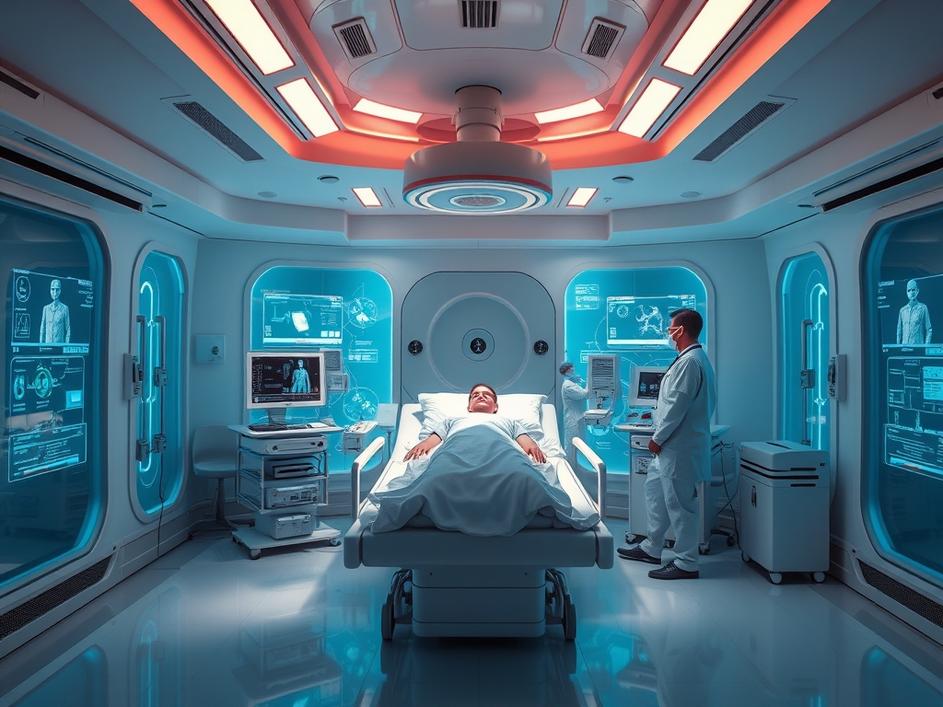
Technology is the heart of the tele-ICU revolution. High-resolution cameras, advanced monitoring systems, and secure communication networks allow intensivists to remotely assess patients, review vital signs, and collaborate with bedside nurses and physicians. Sophisticated data analytics can even help predict potential problems before they arise, allowing for proactive intervention. And with the rise of artificial intelligence and machine learning, tele-ICUs are becoming even more intelligent and capable of providing personalized care.
One of the most promising aspects of tele-ICUs is their ability to improve access to care in underserved areas. Rural hospitals often struggle to attract and retain specialists, leaving critically ill patients with limited options. Tele-ICUs can bridge this gap by providing remote access to intensivists and other specialists, ensuring that patients in rural areas receive the same level of care as those in urban centers. This is especially important for time-sensitive conditions like stroke or sepsis, where rapid intervention can significantly improve outcomes.
Of course, technology alone is not enough. Tele-ICUs are most effective when they are integrated into a well-coordinated system of care that includes skilled nurses, dedicated physicians, and strong communication protocols. The human element remains crucial, as clinicians must be able to interpret data, make sound judgments, and communicate effectively with patients and their families. Trust and collaboration between the remote team and the bedside staff are essential for successful tele-ICU implementation.
While the future looks bright for tele-ICUs, there are still challenges to overcome. One concern is the potential for alert fatigue, where clinicians become overwhelmed by the constant stream of data and alarms. It’s important to design systems that are user-friendly and that prioritize the most important information. Another challenge is ensuring patient privacy and data security. Tele-ICUs must comply with HIPAA regulations and implement robust security measures to protect patient information from unauthorized access.
Tele-ICUs are evolving beyond simple remote monitoring. They are becoming platforms for clinical decision support, education, and research. By collecting and analyzing vast amounts of data, tele-ICUs can help identify best practices, improve clinical workflows, and develop new treatment strategies. They can also be used to train the next generation of intensivists, providing them with valuable experience in managing critically ill patients from a remote location.
The growth of the tele-ICU market reflects a broader trend towards the increasing use of technology in healthcare. As technology continues to advance, we can expect to see even more innovative applications that improve patient care and reduce costs. Tele-ICUs are not a replacement for traditional ICUs, but rather a complement to them. By providing remote access to specialized expertise, tele-ICUs can help ensure that all patients, regardless of their location, receive the best possible care. In a world where healthcare resources are increasingly strained, tele-ICUs offer a promising solution for improving access to critical care and improving patient outcomes. The future of critical care isn’t just in the hospital; it’s also on a screen, bringing expertise and monitoring to where it’s needed most.



Comments are closed