

We are a digital agency helping businesses develop immersive, engaging, and user-focused web, app, and software solutions.
2310 Mira Vista Ave
Montrose, CA 91020

2500+ reviews based on client feedback
What's Included?
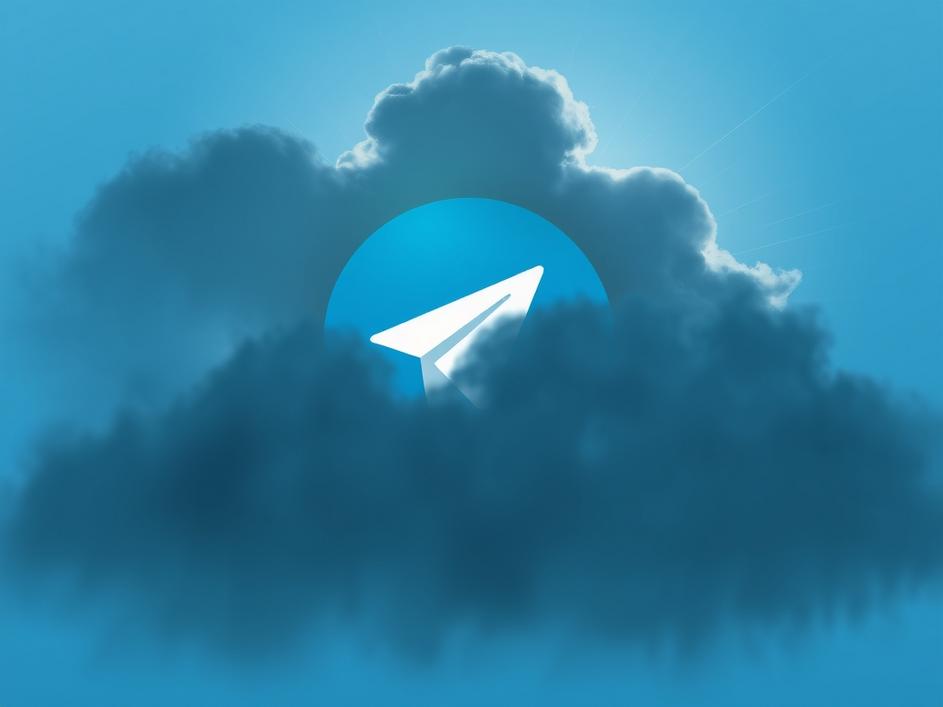
ToggleTelegram, the messaging app beloved by many for its encrypted chats and relatively hands-off approach to content moderation, is facing increasing pressure in Russia. Recent reports suggest that the Russian authorities are considering further restrictions and potential fines for the platform. This isn’t a new development; the Russian government has had a complex relationship with Telegram for years, often viewing it as a double-edged sword: a useful tool for communication, but also a potential haven for dissent and illegal activities.
The tension between Telegram and Russia dates back several years. In 2018, Russia attempted to ban Telegram outright, citing concerns about the app’s refusal to hand over encryption keys to the security services. This ban proved largely ineffective, as Telegram employed various methods to circumvent the restrictions. Many Russian users continued to access the app without significant disruption. The government eventually lifted the ban in 2020, acknowledging its futility. But, clearly, the underlying issues haven’t gone away.
So, why the renewed crackdown? Several factors are likely at play. First, the Russian government is generally tightening its control over the internet and online communications. This trend has accelerated since the invasion of Ukraine, with the government seeking to suppress dissenting voices and control the flow of information. Telegram, with its large user base and decentralized structure, represents a challenge to this control. It is harder to censor and monitor than traditional media outlets, making it a popular platform for those seeking to bypass government censorship.
Second, Telegram has become a significant channel for disseminating information about the war in Ukraine, including information that contradicts the official government narrative. While the Russian government controls most of the mainstream media, Telegram offers a space for alternative viewpoints and independent reporting. This is particularly concerning for the authorities, who are keen to maintain a tight grip on public opinion. It’s a double-edged sword for Russia; while some government agencies use Telegram for their own communications, the uncontrolled nature of the platform is a persistent problem.
What could these new restrictions and fines mean for Telegram users in Russia? At the very least, they could make it more difficult to access the platform. The government could try to block certain channels or content, or it could impose fines on Telegram for failing to comply with its demands. In a worst-case scenario, the government could attempt to block Telegram altogether, although, as the 2018 ban demonstrated, this is easier said than done. Even if a complete ban is not implemented, increased monitoring and censorship could have a chilling effect on free expression and access to information.
The implications extend beyond Russia’s borders. If Russia succeeds in tightening its grip on Telegram, it could embolden other authoritarian regimes to do the same. Many countries around the world are grappling with the challenge of regulating social media and messaging apps. Russia’s actions could serve as a precedent for other governments seeking to control online content and suppress dissent. This is cause for concern for those who value freedom of expression and access to information in the digital age. The future of Telegram, not just in Russia, but globally, could be at stake.
How will Telegram respond to this renewed pressure? The company has historically resisted government demands for censorship and data sharing, arguing that it is committed to protecting user privacy and freedom of expression. However, Telegram also has a business to run, and it may be forced to make compromises to remain operational in Russia. It could, for example, agree to remove certain types of content or to cooperate with law enforcement investigations in specific cases. But any concessions would likely be met with criticism from privacy advocates and users who rely on Telegram for secure communication. It’s a difficult balancing act.
The situation highlights the ongoing tension between governments and technology companies over the control of information. As messaging apps like Telegram become increasingly important channels for communication and information sharing, governments are seeking to exert greater control over them. This raises fundamental questions about the future of free expression and access to information in the digital age. Will governments be able to effectively censor and control these platforms? Or will technology continue to empower individuals and allow them to bypass government censorship? The answer remains to be seen, but the case of Telegram in Russia offers a glimpse into the challenges and complexities that lie ahead.



Comments are closed