

We are a digital agency helping businesses develop immersive, engaging, and user-focused web, app, and software solutions.
2310 Mira Vista Ave
Montrose, CA 91020

2500+ reviews based on client feedback
What's Included?
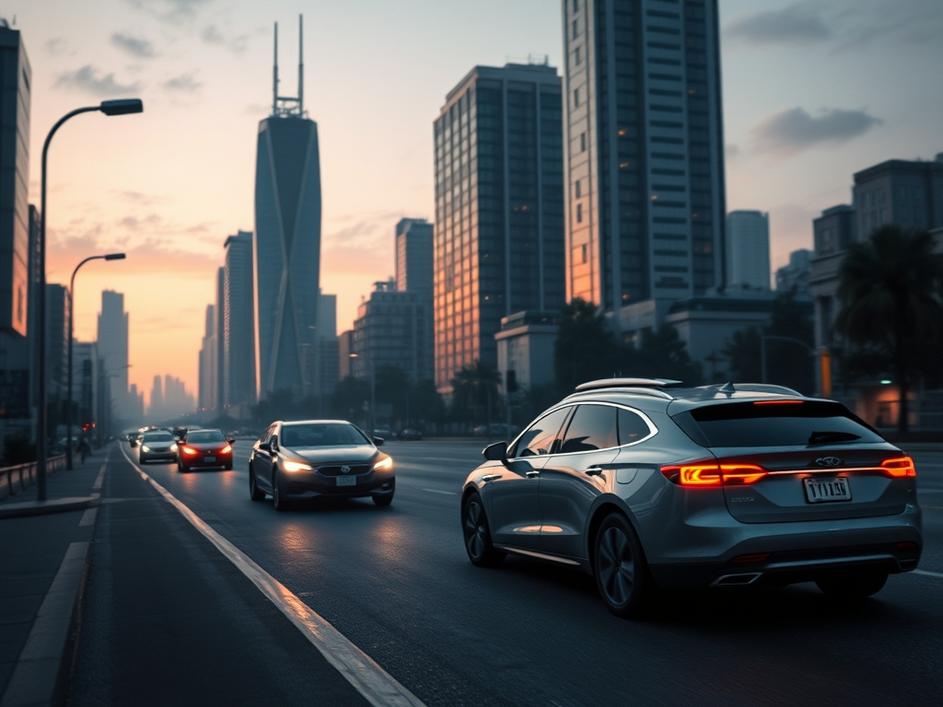
ToggleTesla’s Full Self-Driving (FSD) system is once again in the spotlight, and not in a good way. Federal regulators are intensifying their investigation into the technology, focusing on its performance in challenging visibility conditions. This could very well lead to a recall, which would be a major setback for Tesla’s autonomous driving ambitions. The National Highway Traffic Safety Administration (NHTSA) is digging deep, and the scrutiny is only getting more intense. It seems the promise of truly self-driving cars is still a long way off, especially for Tesla.
The core concern revolves around how FSD handles situations where visibility is compromised – think heavy rain, dense fog, blinding snow, or even just the glare of the setting sun. These are conditions that human drivers instinctively adapt to, slowing down, increasing following distance, and paying extra attention. The question is: does Tesla’s FSD system do the same, and more importantly, does it do it safely? The NHTSA’s investigation suggests there are doubts. And these doubts may be justified, considering the number of accidents that have already been linked to FSD malfunctions.
This isn’t the first time Tesla’s Autopilot and FSD have faced regulatory scrutiny. There have been previous investigations and recalls related to phantom braking, unintended acceleration, and other safety issues. What makes this particular investigation significant is its scope and the potential consequences. An expanded recall could affect a huge number of Tesla vehicles, and it would undoubtedly damage the company’s reputation. It also raises broader questions about the pace at which self-driving technology is being rolled out to the public. Are we moving too fast, without fully understanding the risks?
The regulatory challenges are only part of the story. The ongoing controversy surrounding FSD is also impacting public perception. Many drivers are hesitant to fully trust the technology, and with good reason. Reports of near-misses, unexpected swerving, and other erratic behavior have eroded confidence. Tesla’s insistence on calling the system “Full Self-Driving,” despite its limitations, hasn’t helped either. It creates the impression that the technology is more capable than it actually is, potentially leading to driver complacency and misuse. This is a critical issue, because even the best self-driving system requires attentive human oversight.
Beyond the technical and regulatory hurdles, there are also complex ethical considerations. How should a self-driving car be programmed to react in unavoidable accident scenarios? Who is responsible when an accident occurs – the car manufacturer, the software developer, or the driver? These are questions that society needs to grapple with as autonomous driving technology becomes more prevalent. And while Tesla isn’t the only company working on self-driving cars, its prominent position in the market means it’s often at the forefront of these ethical debates. It is essential for the public and regulators to understand the capabilities and limitations of the technologies involved in autonomous driving. As it stands now, the “full self driving” name is misleading.
The outcome of the NHTSA’s investigation remains to be seen, but it’s clear that Tesla is facing a critical moment. The company needs to address the safety concerns surrounding FSD, not only to satisfy regulators but also to regain public trust. This may involve further refinements to the technology, enhanced driver monitoring systems, and more transparent communication about the system’s limitations. The path to truly self-driving cars is likely to be longer and more challenging than many initially anticipated. And it will require a collaborative effort between automakers, regulators, and the public to ensure that safety remains the top priority. The rapid development of AI and related technologies does not guarantee that current autonomous solutions are safe for public roads. It is extremely important that regulations catch up with technology to make sure that technological improvements do not sacrifice public safety.
While Tesla is navigating these challenges with a proprietary approach, it’s worth noting the growing open-source movement in autonomous driving. Projects like OpenPilot offer alternative solutions, often emphasizing transparency and community collaboration. While these open-source systems may not be as polished or feature-rich as Tesla’s FSD, they offer a different approach to autonomous driving development. The open-source nature of these projects allows for greater scrutiny and potentially faster iteration cycles. The best path forward may not be simply blindly following the first mover. With the right regulations, the public can get the most benefit from autonomous technologies.
The Tesla FSD situation highlights a crucial point: transparency is paramount. Whether it’s traditional automakers or tech companies venturing into the automotive space, clear communication about the capabilities and limitations of autonomous systems is essential. Misleading marketing and inflated claims only serve to erode public trust and create unrealistic expectations. As we move closer to a future where self-driving cars are commonplace, it’s vital that we have an honest and open dialogue about the risks and rewards involved. This includes actively sharing data, participating in open evaluations of self-driving systems, and fostering collaborative problem-solving with regulators and other stakeholders. Otherwise, the promise of safer roads and increased mobility will remain just that – a promise.
Comments are closed