

We are a digital agency helping businesses develop immersive, engaging, and user-focused web, app, and software solutions.
2310 Mira Vista Ave
Montrose, CA 91020

2500+ reviews based on client feedback
What's Included?
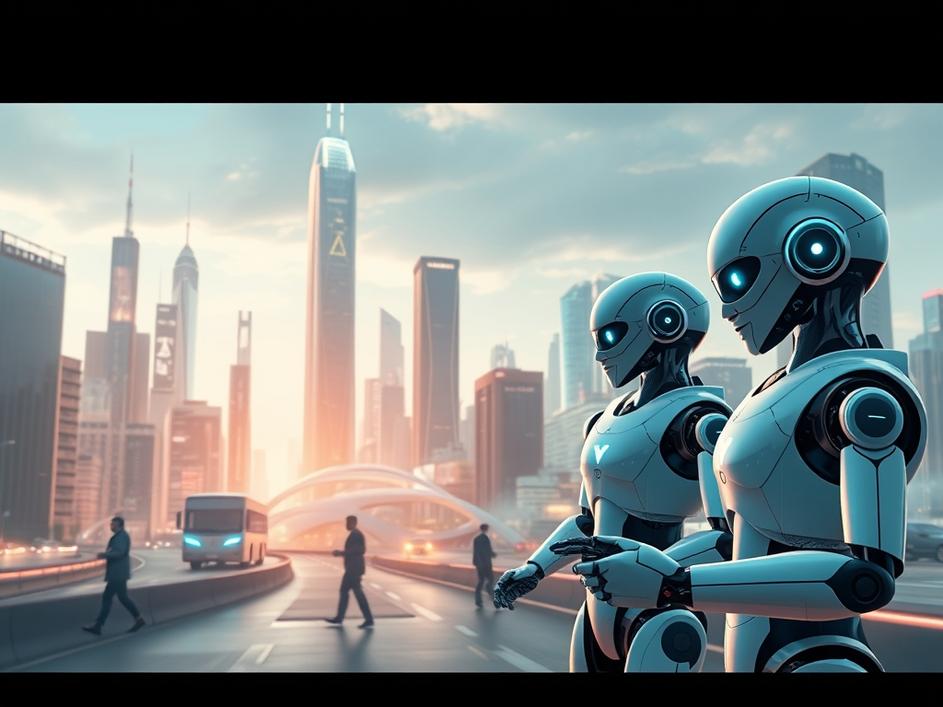
ToggleTesla has always been more than just a car company, but recent moves suggest a dramatic shift in its core identity. Forget simply being an electric vehicle manufacturer; the buzz now is about Tesla positioning itself as a robotics and artificial intelligence platform, sparking speculation about potential mergers and acquisitions. This isn’t just a subtle tweak to their mission statement; it’s a complete recasting of the company’s future, potentially changing the tech landscape as we know it.
We’ve seen glimpses of Tesla’s robotics ambitions with Optimus, the humanoid robot. But it’s more than just a cool gadget. Think about manufacturing automation, logistics, and even domestic assistance. If Tesla can successfully develop and deploy robots that are both affordable and capable, they will have opened up entire new markets. The implications are huge, and it goes far beyond the automotive industry. This could mean a complete revolution in how things are made and how services are delivered.
Of course, robotics is nothing without AI. Tesla’s work on self-driving technology has given it a significant head start in developing advanced AI systems. And they are building on that foundation. The data they gather from their fleet of vehicles, combined with their advancements in neural networks, puts them in a unique position to develop AI solutions for various industries. This isn’t just about cars driving themselves; it’s about creating AI that can learn, adapt, and solve complex problems in the real world. Consider what that means for efficiency and productivity across various sectors.
The strategic shift towards robotics and AI naturally leads to speculation about potential mergers. Which companies would be a good fit for Tesla’s new direction? Think about established robotics firms, AI specialists, or even companies with a strong foothold in manufacturing automation. A strategic merger could give Tesla access to new technologies, talent, and markets, accelerating its expansion in these areas. However, any potential merger would need to align with Tesla’s long-term vision and culture to be successful. Otherwise, it might just be a distraction.
This pivot isn’t without its risks. Tesla is already facing challenges in scaling up its electric vehicle production and navigating the complex regulatory landscape. Expanding into robotics and AI will require significant investments in research and development, manufacturing, and infrastructure. The competition in these fields is also fierce, with established players and well-funded startups vying for dominance. However, the potential rewards are enormous. If Tesla can successfully execute its vision, it could become one of the most valuable and influential companies in the world. It is a gamble, but one that could pay off handsomely.
Tesla’s shift will likely have a ripple effect across the entire technology industry. Other companies may feel pressured to accelerate their own investments in robotics and AI to stay competitive. We might also see new collaborations and partnerships emerge as companies try to leverage each other’s strengths. The race to develop the next generation of intelligent machines is on, and Tesla’s move has just raised the stakes. It’s going to be a fascinating battle to watch.
For investors, this is both an exciting and uncertain time. On the one hand, Tesla’s potential in robotics and AI could unlock significant long-term value. On the other hand, the company’s ambitious plans also introduce new risks and uncertainties. Investors need to carefully assess Tesla’s ability to execute its strategy and navigate the competitive landscape. It’s not enough to simply believe in the hype; it’s important to understand the underlying technology and market dynamics. A diversified portfolio and a long-term investment horizon are essential for navigating the volatility that is likely to come.
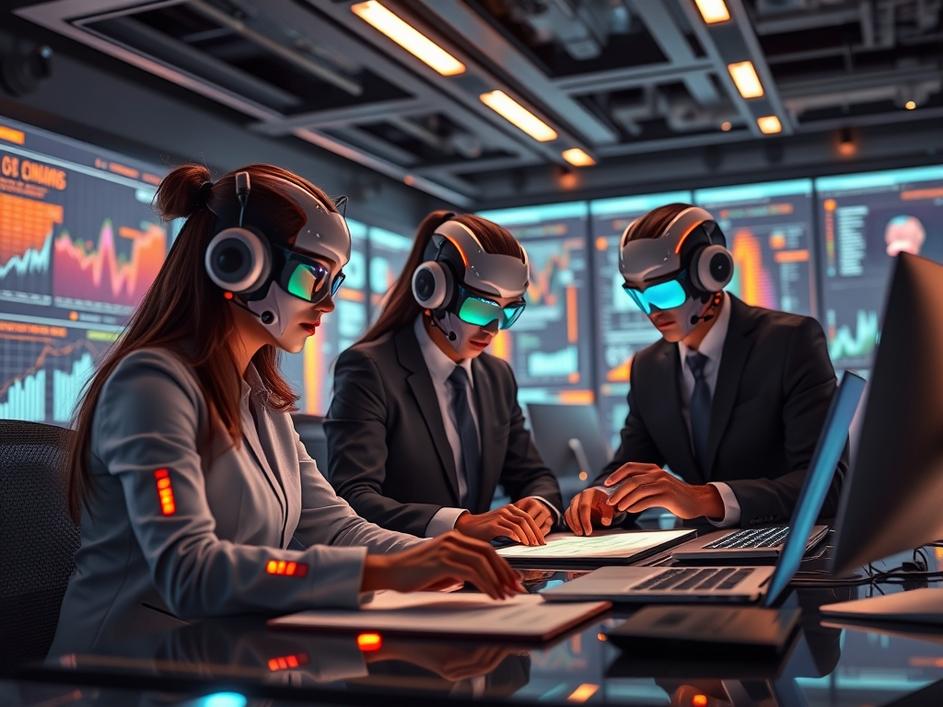
Tesla’s transformation into a robotics and AI platform signifies a future where machines and humans work together in ways we can only begin to imagine. It’s a future filled with both promise and peril. But if Tesla can successfully navigate the challenges ahead, they could play a major role in shaping that future. Whether they fully succeed or not, one thing is clear: Tesla is no longer just a car company. They are a technology powerhouse with ambitions that extend far beyond the automotive world. This change will redefine the company for decades to come and reshape many elements of our technology landscape.
Comments are closed