

We are a digital agency helping businesses develop immersive, engaging, and user-focused web, app, and software solutions.
2310 Mira Vista Ave
Montrose, CA 91020

2500+ reviews based on client feedback
What's Included?
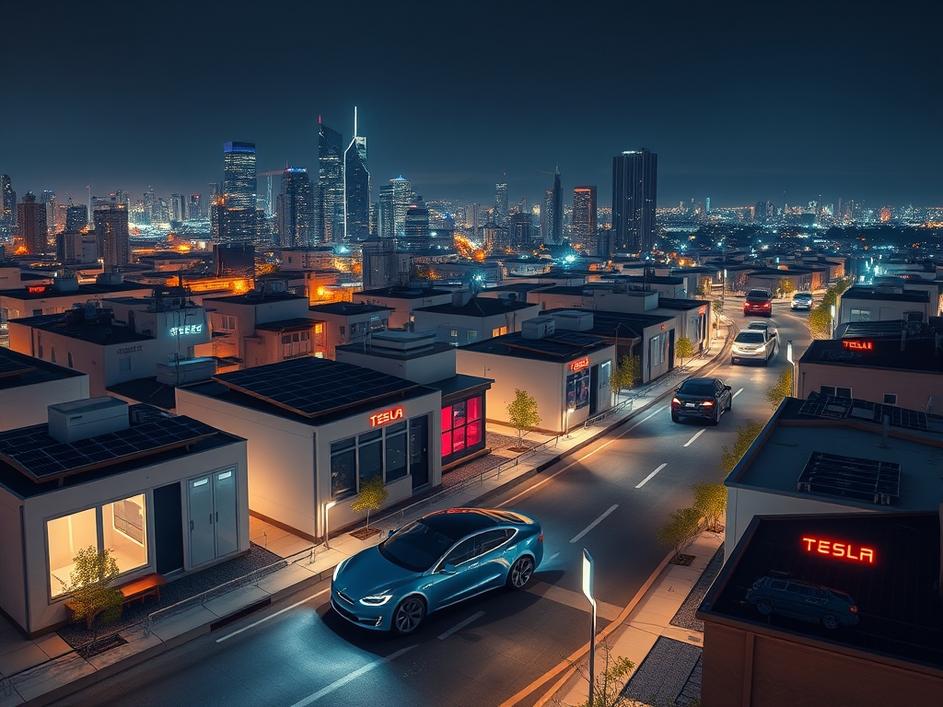
ToggleTesla. The name conjures up images of sleek electric vehicles, cutting-edge technology, and a charismatic CEO. But the story surrounding Tesla is constantly evolving. We’re not just talking about a car company anymore. The narrative is expanding, and investors are having to adjust their focus. The old story of electric vehicle dominance is still there, but it’s now interwoven with themes of autonomy, energy solutions, and the looming uncertainties of the future, specifically around 2026 and beyond.
For years, the promise of full self-driving has been a central pillar of the Tesla investment thesis. The idea was simple: build a massive fleet of autonomous vehicles, and unlock a recurring revenue stream through robotaxis and other autonomous services. However, the reality has been far more complex. Development has been slower than anticipated, and regulatory hurdles remain significant. The question now is: how much of Tesla’s future is truly dependent on achieving full autonomy? And what happens if that dream remains just out of reach? Investors are starting to weigh the potential downsides of relying so heavily on this uncertain technology.
While electric vehicles get most of the attention, Tesla’s energy business is becoming increasingly important. From solar panels and energy storage solutions like Powerwall and Megapack, Tesla is quietly building a comprehensive energy ecosystem. This segment offers significant growth potential, especially as the world transitions towards renewable energy sources. Unlike the autonomous driving narrative, the energy business is already generating substantial revenue and is poised to become a major driver of Tesla’s future success. Investors are increasingly recognizing the value of this often-overlooked part of the company.
The year 2026 is emerging as a key focal point for investors. Several factors contribute to this timeframe. First, it’s a point where many expect full self-driving to be a reality, or its true potential will become much clearer. Second, it’s far enough out that significant changes in the energy market and competitive landscape could reshape Tesla’s position. Third, potential shifts in governmental regulations surrounding electric vehicles and energy storage could have a large impact. The risks and opportunities surrounding 2026 are forcing investors to take a long, hard look at Tesla’s long-term prospects and the various factors that could influence its trajectory.
Tesla’s story is evolving. It’s no longer just a bet on electric vehicles or even solely on self-driving technology. It’s a multifaceted investment that encompasses energy solutions, manufacturing prowess, and a strong brand. The market seems to be pricing in a degree of risk around self-driving timelines, which creates both challenges and opportunities for investors. The road ahead for Tesla is unlikely to be a smooth one, but the company’s adaptability and its ability to innovate will be crucial in navigating the changing landscape. Investors are now digging deeper, understanding the strengths and weaknesses of each segment, and building a more nuanced picture of what Tesla might become in the years to come. The focus has shifted from blind faith in a single technology to a more holistic assessment of the company’s potential across multiple sectors, along with the risks inherent in a rapidly evolving industry. Tesla’s innovation in battery technology for both vehicles and power storage solutions gives it a competitive edge against rising EV competitors.
Tesla is at an inflection point. The company has proven it can disrupt the automotive industry and build a valuable brand. But the future is not guaranteed. The company faces increased competition, regulatory hurdles, and the inherent uncertainties of technological development. The ability to continue innovating, adapt to changing market conditions, and execute on its ambitious vision will ultimately determine Tesla’s long-term success. Investors must weigh the potential rewards against the inherent risks, and be prepared for a ride that is likely to be full of twists and turns. The shifting narrative demands a more critical and informed perspective, moving beyond the hype and focusing on the fundamental drivers of Tesla’s long-term value.


Comments are closed