

We are a digital agency helping businesses develop immersive, engaging, and user-focused web, app, and software solutions.
2310 Mira Vista Ave
Montrose, CA 91020

2500+ reviews based on client feedback
What's Included?
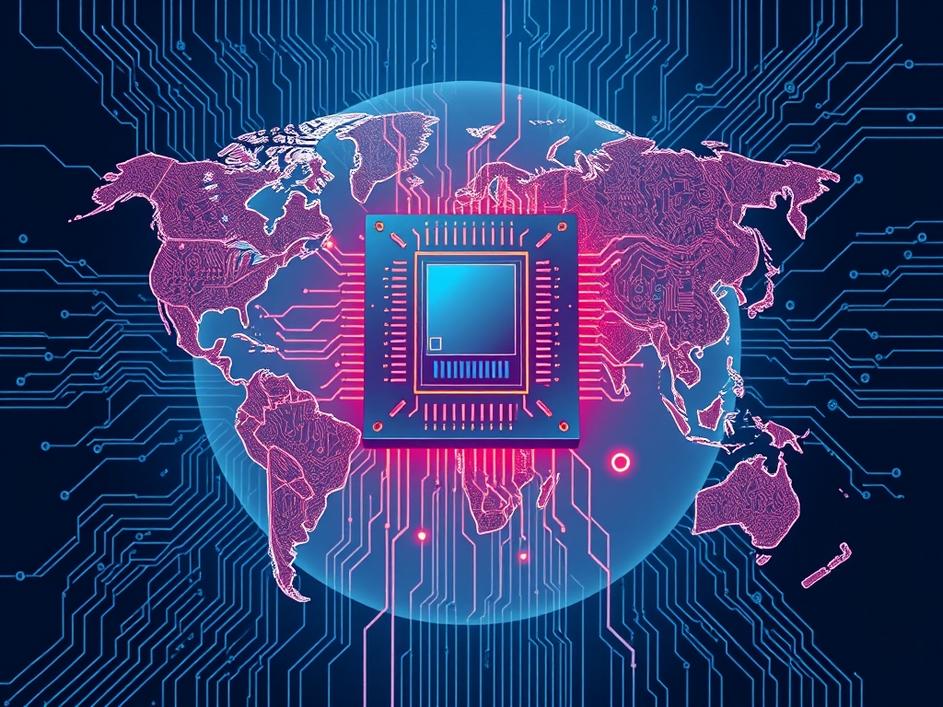
ToggleThe world is in the midst of an intense competition for dominance in artificial intelligence, and at the heart of this race are the chips that power these advanced systems. These aren’t your run-of-the-mill computer chips; we’re talking about cutting-edge semiconductors designed specifically for the demanding workloads of AI, like machine learning and neural networks. The ability to design and manufacture these chips has become a crucial strategic advantage, influencing not just technological advancement, but also economic and national security. The US government, among others, is now trying to control who has access to these chips through export limitations. But why? What’s really going on here?
Export controls are essentially rules that restrict the sale or transfer of certain goods, technologies, or software to specific countries or entities. In the context of AI chips, these controls are intended to prevent adversaries from acquiring technology that could be used to enhance their military capabilities, develop surveillance systems, or otherwise pose a threat. The idea is that by limiting access to the most advanced chips, the US and its allies can slow down the progress of potential rivals in key areas of technological development. However, these controls also have significant economic implications, impacting companies that rely on global supply chains and potentially hindering innovation. Chris Miller, author of “Chip War,” discusses the intricacies of this battle, emphasizing the strategic importance of controlling access to advanced chip technology.
A major focus of these export controls is China. The US government views China’s rapid technological advancements, particularly in AI, as a potential challenge to its global influence. By restricting the export of advanced AI chips to China, the US aims to limit China’s ability to develop and deploy AI-powered technologies in areas such as military modernization, surveillance, and autonomous weapons systems. This has led to a complex situation for chip manufacturers, many of whom rely heavily on the Chinese market for revenue. Companies like NVIDIA, for example, have had to adapt their products to comply with US regulations, developing modified chips that offer slightly reduced performance to remain within the legal limits for export to China. These measures attempt to balance national security concerns with the economic realities of the global chip market.
While the intent of export controls is to protect national security, they can also have unintended consequences. One concern is that restricting access to advanced chips could stifle innovation, both in the US and globally. Companies may be less willing to invest in research and development if they are unsure about their ability to sell their products in key markets. Furthermore, export controls could encourage China to accelerate its own domestic chip manufacturing capabilities, potentially leading to a more fragmented and less efficient global chip market. This could also result in the development of alternative technologies or supply chains that circumvent the controls altogether. Chris Miller also touches on these points, acknowledging the complicated balancing act between security and economic advancement.
The battle over AI chip export controls is likely to intensify in the coming years. As AI technology continues to evolve and its applications become more widespread, the stakes will only get higher. Governments will need to carefully consider the potential benefits and drawbacks of these controls, taking into account both national security concerns and the economic implications for their own industries and the global market. A key challenge will be finding a way to balance the need to protect sensitive technologies with the desire to promote innovation and economic growth. International cooperation will also be essential to ensure that export controls are effective and do not simply lead to a shifting of supply chains and the development of alternative technologies. The conversation around AI chip export controls needs to consider perspectives from all stakeholders in the global landscape.
Ultimately, the “AI chip war” isn’t just about chips; it’s about power, influence, and the future of technology. As Chris Miller expertly explains, it is a multifaceted issue with complicated dynamics, not just a simple on/off switch. It requires a nuanced understanding of technology, economics, and international relations. Companies and governments alike must adapt to this changing landscape, finding ways to navigate the challenges and opportunities that lie ahead. This will require a combination of strategic planning, technological innovation, and international collaboration.



Comments are closed