

We are a digital agency helping businesses develop immersive, engaging, and user-focused web, app, and software solutions.
2310 Mira Vista Ave
Montrose, CA 91020

2500+ reviews based on client feedback
What's Included?
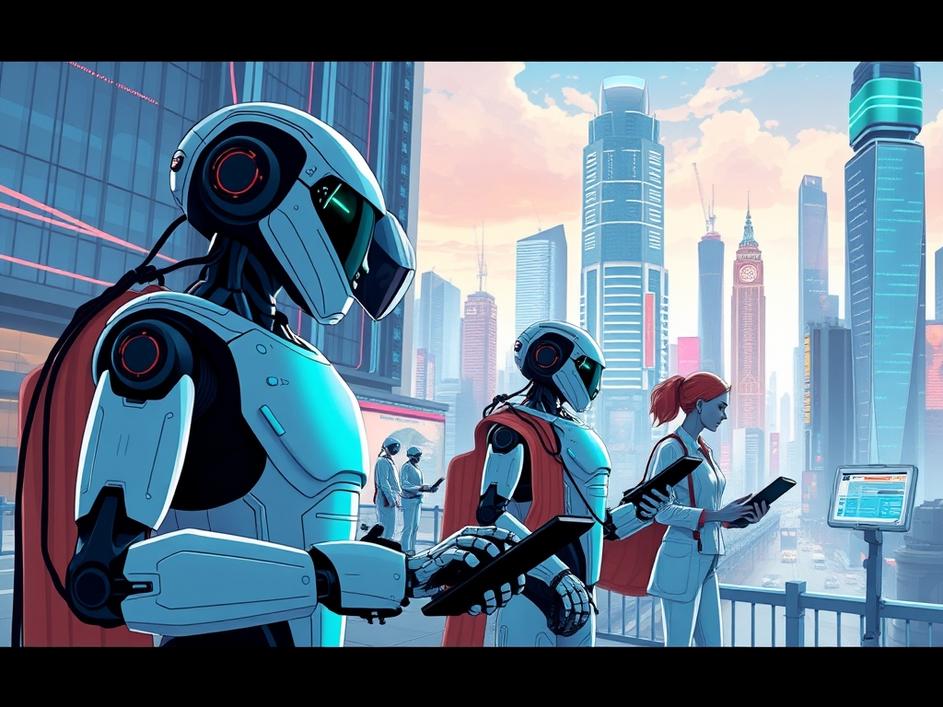
ToggleThe robots are coming…to work! Artificial intelligence is no longer a futuristic fantasy; it’s actively rewriting the rules of the labor market. The next twelve months promise to be a crucial period as businesses further integrate AI into their operations, leading to both exciting opportunities and potential challenges for workers across various industries. It’s not just about replacing jobs; it’s about redefining them.
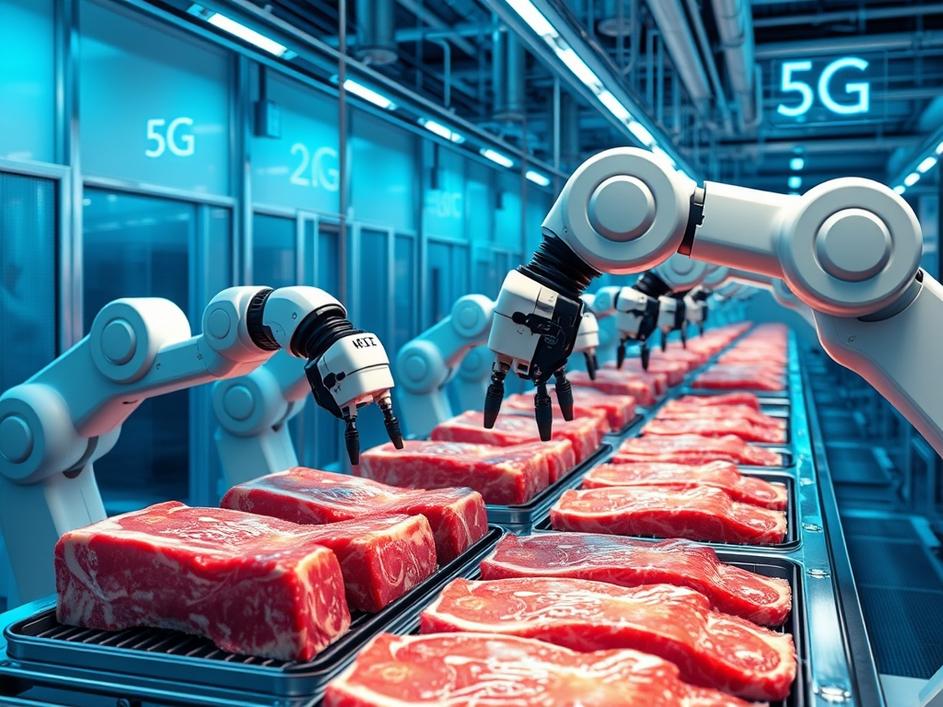
AI’s influence won’t be uniform. Certain sectors are riper for transformation than others. Repetitive tasks, data analysis, and customer service are prime targets for AI-driven automation. Think about roles involving large datasets, like market research or financial analysis. AI algorithms can sift through mountains of information far faster than any human, identifying trends and insights that would otherwise remain hidden. Also, customer service chatbots are getting increasingly sophisticated, handling routine inquiries and freeing up human agents to deal with more complex issues. This doesn’t automatically mean job losses, but it does suggest a need for workers to adapt and acquire new skills.
Adaptability is key. The most valuable skills in the age of AI will be those that machines can’t easily replicate: critical thinking, creativity, emotional intelligence, and complex problem-solving. If your job involves rote tasks that can be automated, now’s the time to start thinking about how you can add value in other ways. Consider learning how to work alongside AI systems, interpreting their outputs, and using them to enhance your own performance. Data literacy will also be increasingly important, even if you’re not a data scientist. Understanding how to interpret data and use it to inform decisions will be a valuable asset in any industry. This means investing in training and development to acquire the skills that will keep you relevant in the changing job market.
The future isn’t necessarily about humans versus machines; it’s about humans with machines. The concept of the “augmented” worker is becoming increasingly prevalent. This involves leveraging AI tools to enhance human capabilities, making workers more efficient and productive. Imagine a doctor using AI-powered diagnostic tools to make more accurate diagnoses, or a marketing manager using AI to personalize campaigns for individual customers. In these scenarios, AI doesn’t replace the human worker; it empowers them to do their job better. This trend requires a shift in mindset, from viewing AI as a threat to embracing it as a tool.
The integration of AI into the labor market isn’t without its risks. One concern is the potential for increased inequality. Workers with the skills and resources to adapt to the changing job market will likely thrive, while those without may fall behind. This could exacerbate existing disparities in income and opportunity. Another concern is the potential for bias in AI systems. If AI algorithms are trained on biased data, they may perpetuate and even amplify existing prejudices. It’s crucial to address these issues proactively, through policies that promote equitable access to education and training, and through careful monitoring and mitigation of bias in AI systems. Moreover, the ethical implications of AI, especially concerning data privacy and algorithmic transparency, need careful consideration.
It might sound counterintuitive, but the rise of AI could ultimately lead to a more human-centered workplace. As AI takes over routine tasks, humans will be freed up to focus on more creative, strategic, and interpersonal activities. This could lead to jobs that are more fulfilling and meaningful. Imagine spending less time on paperwork and more time on building relationships with clients, developing innovative products, or solving complex problems. The transition won’t be easy, and it will require careful planning and investment. But if we manage it well, the AI revolution could usher in an era of greater human potential and prosperity.
The next year represents a critical window of opportunity. It’s a time for individuals to invest in their skills, for businesses to embrace AI responsibly, and for policymakers to create a framework that supports a fair and equitable transition. The future of work is being written now, and it’s up to all of us to ensure that it’s a future that benefits everyone.


Comments are closed