

We are a digital agency helping businesses develop immersive, engaging, and user-focused web, app, and software solutions.
2310 Mira Vista Ave
Montrose, CA 91020

2500+ reviews based on client feedback
What's Included?
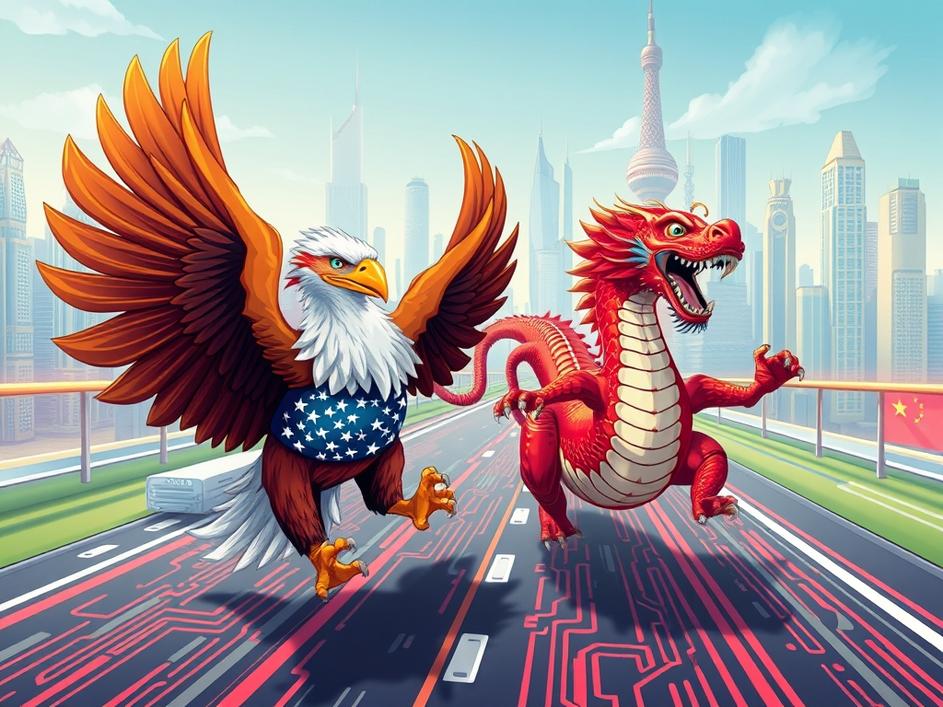
ToggleFor a while, the United States seemed to have a pretty solid lead in the artificial intelligence race. But the latest news suggests that China is making significant strides, closing the gap in key areas. This isn’t just about bragging rights; it has serious implications for the future of technology, the economy, and even national security. The progress that China is making in AI is a testament to the investments and the emphasis they have been placing on technological development.
China has been pouring resources into AI research and development, and it’s starting to pay off. They’re not just copying existing technologies; they’re innovating and creating their own unique approaches. A big part of their success comes from government support, which helps fund research, attract talent, and create a favorable environment for AI companies to thrive. We are talking about billions of dollars being channeled into AI which is driving the progress.
One of China’s biggest advantages is access to vast amounts of data. AI algorithms need data to learn and improve, and China’s large population and widespread adoption of digital technologies give them a massive training ground. This data fuels the development of AI systems that are specifically tailored to the Chinese market, but it also has broader applications. All of this data allows them to optimize their Machine Learning models and improve algorithms at a rate faster than others.
So, where exactly is China making progress? They’re doing well in areas like facial recognition, natural language processing, and computer vision. These technologies have applications in everything from security and surveillance to e-commerce and entertainment. Also, they’re pushing boundaries in areas like autonomous vehicles and robotics. Their advancements are being implemented in both commercial and military technologies. They also have a focus on AI in manufacturing to increase efficiency and quality.
China’s rise in AI poses a challenge to the United States. The US still holds many important cards, especially with the concentration of leading AI research labs and innovative companies in Silicon Valley. However, China’s progress forces the US to step up its game. This means continued investment in AI research, fostering a strong talent pool, and creating policies that encourage innovation while also addressing ethical concerns. It is very important that the US not become complacent and continue to push the boundaries of AI.
The competition between the US and China in AI is likely to intensify in the coming years. This competition can be a good thing, as it drives innovation and pushes both countries to develop better and more useful AI technologies. But it also raises important questions about the future of AI, including who will control these powerful technologies and how they will be used. The investments and resources available for AI development in both countries will have a big impact on the future of this field. The world is now waiting to see who will come out on top.
It’s not just about who has the best algorithms; it’s also about how AI is used. Both the US and China face ethical challenges related to AI, including issues like bias, privacy, and job displacement. How these challenges are addressed will shape the future of AI and its impact on society. It is important to develop and use AI responsibly and ethically.
The AI race between the US and China has implications for the entire world. AI is poised to transform many aspects of our lives, from healthcare and education to transportation and communication. The countries that lead in AI will have a significant advantage in shaping the future. This is why we see countries around the world beginning to focus on AI to remain competitive and increase the wealth of their nation. This AI arms race will affect every sector of the global economy and will shape future political and societal norms.
While there’s a competitive element to the AI race, there’s also a potential for collaboration. AI is a complex field, and no single country has all the answers. By working together, the US and China could accelerate the development of AI and ensure that it benefits all of humanity. This collaboration, though, would have to overcome some serious trust issues, but would be beneficial for all.
China’s advancements in AI are a wake-up call for the US. It’s a reminder that the US cannot afford to be complacent and that it must continue to invest in AI research and development. But it’s also an opportunity for the US to work with other countries to develop AI in a responsible and ethical way. The future of AI is uncertain, but one thing is clear: it will have a profound impact on our world, and it will be interesting to see how the US and China will compete and cooperate in this important field.


Comments are closed