

We are a digital agency helping businesses develop immersive, engaging, and user-focused web, app, and software solutions.
2310 Mira Vista Ave
Montrose, CA 91020

2500+ reviews based on client feedback
What's Included?
ToggleIndia’s job market is a dynamic beast, constantly shifting and evolving. It’s no secret that finding the right talent has always been a challenge, but recent trends suggest it’s becoming even tougher. The sheer volume of applicants, the increasing demand for specialized skills, and the ever-present pressure to find candidates who are the right cultural fit are all contributing to a more complex hiring environment. Recruiters are feeling the heat, and they’re looking for innovative solutions to stay ahead of the curve.
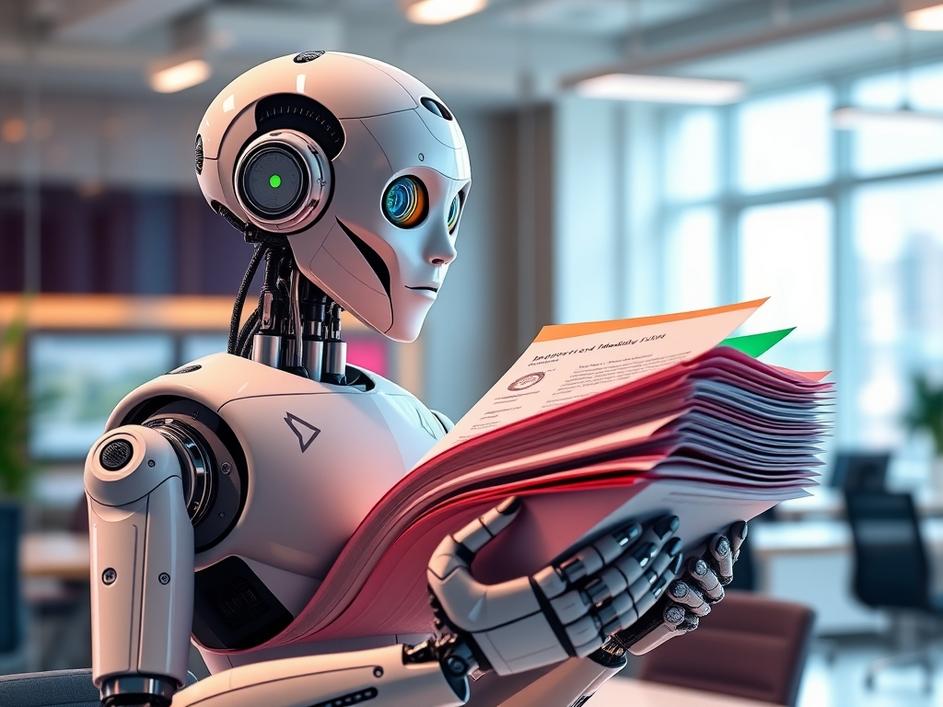
Enter artificial intelligence (AI). Once a futuristic concept, AI is now a practical tool that’s rapidly transforming the way companies find and evaluate potential employees. In India, where the competition for talent is fierce, recruiters are increasingly turning to AI-powered platforms and tools to help them sift through mountains of resumes, identify promising candidates, and even assess their suitability for specific roles. This isn’t about replacing human recruiters; it’s about augmenting their capabilities and enabling them to make more informed decisions.
One of the most compelling aspects of AI in recruitment is its ability to look beyond the traditional resume. Resumes, while important, often paint an incomplete picture of a candidate’s skills, personality, and potential. AI algorithms can analyze a wide range of data points, including social media activity, online portfolios, and even communication patterns, to gain a more holistic understanding of an individual. This allows recruiters to identify candidates who might have been overlooked based on their resume alone, uncovering hidden gems and diversifying the talent pool.
AI-powered screening tools can automate the initial review of resumes, filtering out unqualified candidates and prioritizing those who meet the essential criteria for a particular role. This frees up recruiters’ time to focus on more strategic tasks, such as conducting in-depth interviews and building relationships with potential hires. Furthermore, AI can be used to assess candidates’ skills and abilities through online tests and simulations, providing objective data to support hiring decisions. Some platforms even use AI to analyze video interviews, identifying nonverbal cues and personality traits that can provide valuable insights into a candidate’s suitability for a role.
While AI offers many benefits, it’s crucial to acknowledge the potential risks. One of the biggest concerns is bias. If the data used to train AI algorithms reflects existing biases, the algorithms may perpetuate those biases in their predictions. For example, an AI-powered screening tool might inadvertently discriminate against candidates from certain backgrounds or with certain names. To mitigate this risk, it’s essential to carefully vet the data used to train AI algorithms and to implement safeguards to ensure fairness and transparency. Regular audits and human oversight are also crucial to prevent AI from reinforcing discriminatory practices.
Despite the growing role of AI, the human element remains indispensable in the hiring process. AI can automate certain tasks and provide valuable insights, but it cannot replace the empathy, judgment, and critical thinking skills of human recruiters. Building rapport with candidates, assessing their cultural fit, and understanding their motivations are all essential aspects of hiring that require human interaction. The most effective recruitment strategies combine the power of AI with the expertise of human recruiters, creating a synergistic approach that maximizes efficiency and effectiveness.
As AI technology continues to evolve, its impact on the Indian hiring market will only grow. We can expect to see more sophisticated AI-powered tools that can personalize the candidate experience, predict employee performance, and even identify future skills gaps. However, it’s important to approach these advancements with caution, ensuring that AI is used responsibly and ethically. By embracing AI as a tool to augment human capabilities, rather than replace them, Indian companies can unlock new levels of efficiency, diversity, and innovation in their talent acquisition efforts.
The shift towards AI in recruitment isn’t just a trend; it’s a fundamental change in how businesses operate. Recruiters who adapt and embrace these new technologies will be best positioned to succeed in the evolving landscape. That means investing in training, exploring AI-powered platforms, and actively seeking ways to integrate AI into their existing workflows. But it also means remaining vigilant about the potential pitfalls of AI and taking steps to mitigate those risks. The future of hiring is here, and it’s powered by a combination of human ingenuity and artificial intelligence.


Comments are closed