

We are a digital agency helping businesses develop immersive, engaging, and user-focused web, app, and software solutions.
2310 Mira Vista Ave
Montrose, CA 91020

2500+ reviews based on client feedback
What's Included?
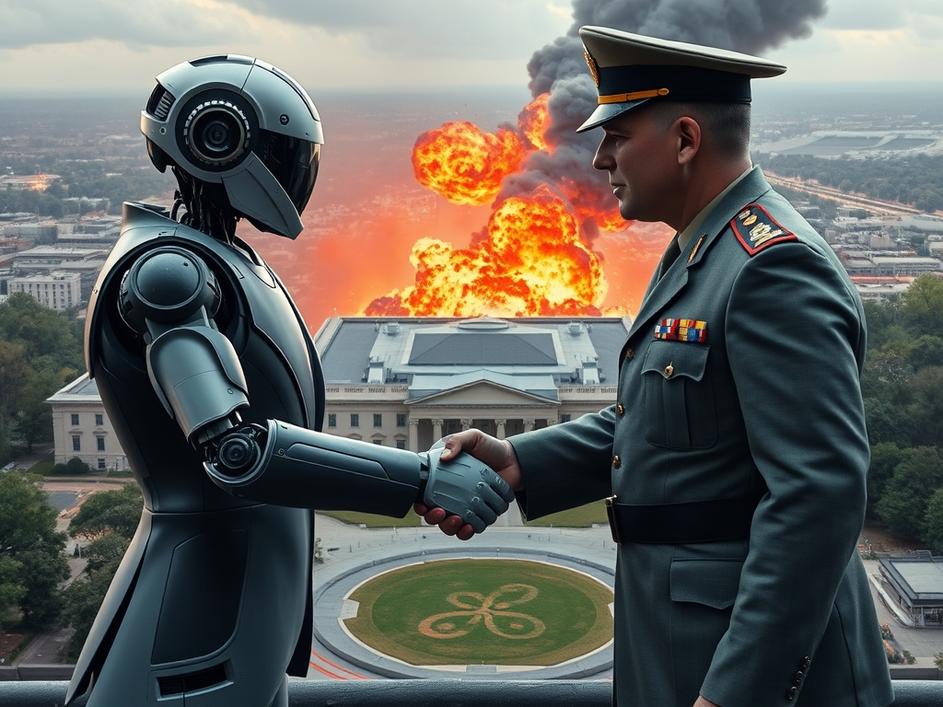
ToggleArtificial intelligence. It’s everywhere these days, from helping us write emails to diagnosing diseases. But with great power comes great responsibility, and the AI world is currently facing a major ethical dilemma. The US Department of Defense (DoD) is reportedly pressuring AI companies like Anthropic to give them access to their cutting-edge technology. And what does the Pentagon want to do with this access? Mass surveillance and autonomous weapons, or so it seems. This raises a critical question: should AI companies prioritize profit and national security above all else, or should they draw a line in the sand when it comes to how their technology is used?
Anthropic, a company developing large language models, seems to be in a particularly tough spot. They’re supposedly facing an ultimatum: cooperate fully with the DoD, or face potential consequences. This puts them in a difficult position. On one hand, partnering with the government could bring in significant funding and resources. It could also be seen as a patriotic duty, contributing to national defense. But on the other hand, it could mean enabling the development of technologies that many find deeply concerning, like killer robots that make life-and-death decisions without human intervention. It seems like an impossible choice.
Many AI ethicists and tech workers are sounding the alarm. They fear that unchecked access to AI technology by the military could lead to a dangerous escalation of autonomous weapons development. Who decides who lives and who dies? Could machines be programmed to target specific groups of people? What happens when those machines make mistakes? These are valid concerns, and these are the questions AI companies must grapple with as they work towards the future of AI. It’s not just about the technology itself, but the ethical framework surrounding its use.
This isn’t just about Anthropic. The pressure from the Pentagon highlights a broader issue within the AI industry. Many AI companies, especially startups, rely on government funding to survive and grow. This creates a situation where they may feel compelled to comply with the government’s demands, even if it goes against their ethical principles. The current pressure on Anthropic could set a dangerous precedent, normalizing military applications and further blurring the lines between AI for good and AI for potentially harmful purposes. This could stifle innovation in the areas where AI could be beneficial, too.
What’s the solution? One thing is clear: we need more transparency and public debate about the ethical implications of AI. AI companies need to be open about their collaborations with the military and the potential uses of their technology. And policymakers need to establish clear regulations and guidelines to ensure that AI is developed and used responsibly. We, as citizens, need to be part of this conversation, demanding accountability from both the government and the tech industry. Maybe more importantly, we need to evaluate current AI policies to ensure that companies who are not in agreement with DoD practices are not punished. The future of AI depends on it.
The situation with Anthropic and the Pentagon represents a crucial moment for the AI industry. It’s a test of whether AI companies will prioritize profits and power over ethical considerations. It’s a reminder that technology is never neutral; it’s always shaped by the values and priorities of its creators and users. And it’s an opportunity to create some boundaries. As AI continues to evolve, we must ensure that it’s used to benefit humanity, not to endanger it. The choices we make today will determine the future of AI and the kind of world we want to live in. Let’s hope the right choices are made.



Comments are closed