

We are a digital agency helping businesses develop immersive, engaging, and user-focused web, app, and software solutions.
2310 Mira Vista Ave
Montrose, CA 91020

2500+ reviews based on client feedback
What's Included?
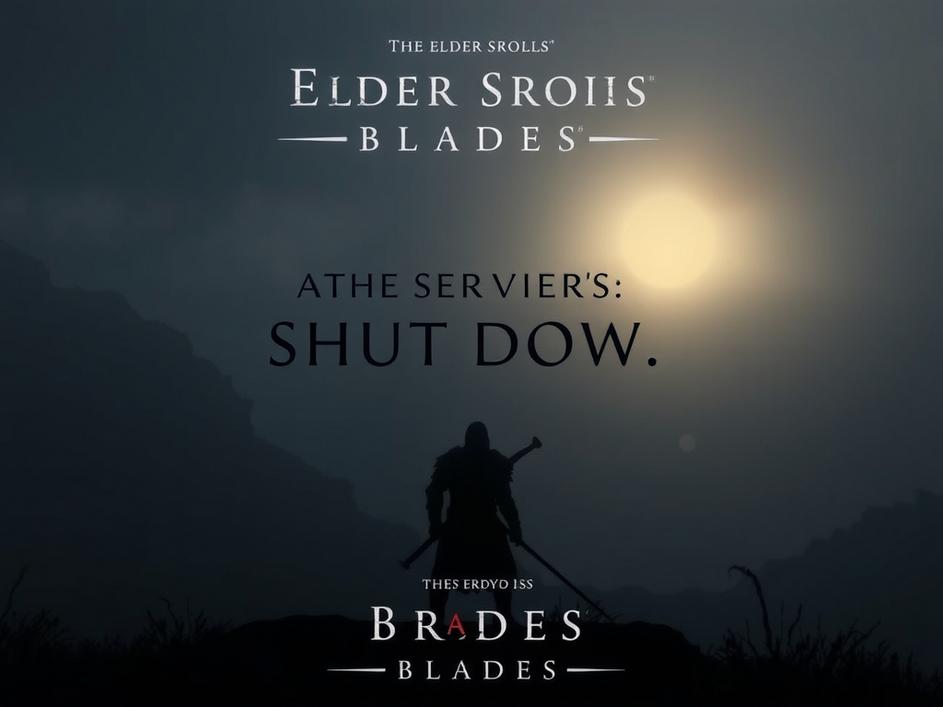
ToggleIt’s always a little sad when a game shuts down. Even if you weren’t playing it every day, the knowledge that it’s there, a digital world accessible at any time, is comforting. Bethesda’s announcement that they’re sunsetting The Elder Scrolls: Blades on June 30, 2026, definitely stings. It marks the end of an experiment, a bold attempt to bring the Elder Scrolls experience to mobile devices. While it had its ups and downs, Blades tried something new, and that’s worth remembering.
For those who might not be familiar, The Elder Scrolls: Blades was a free-to-play action RPG designed specifically for mobile. It allowed players to create their own characters, explore dungeons, build and customize a town, and engage in PvP arena battles. The game utilized procedurally generated content to offer seemingly endless quests and challenges. It was ambitious, aiming to deliver a bite-sized Elder Scrolls experience that players could pick up and play anywhere. The initial hype was considerable, fueled by the iconic Elder Scrolls name and the promise of a full-fledged RPG on your phone.
However, like many mobile games, Blades faced its fair share of challenges. The free-to-play model, while allowing access to everyone, also introduced monetization strategies that some players found intrusive. The progression system, while designed to keep players engaged, could feel grindy at times. And, of course, there were the limitations of the platform itself. Touchscreen controls, while innovative, weren’t always the most precise or intuitive for a complex action RPG. The game also required a constant internet connection, making it unplayable in areas with spotty or no service. Balancing the depth of an Elder Scrolls title with the accessibility of a mobile game proved to be a difficult task.
Bethesda hasn’t explicitly stated the exact reasons for shutting down Blades, but we can speculate. Maintaining a live service game requires ongoing resources, including server upkeep, development support, and community management. If the game’s player base and revenue streams aren’t sufficient to justify those costs, it becomes a business decision to move on. It’s possible that Bethesda wants to focus its resources on other projects, such as The Elder Scrolls VI or other mobile initiatives. It’s also worth noting that mobile gaming is a constantly evolving landscape. What works today might not work tomorrow, and games need to adapt to stay relevant.
Despite its eventual demise, The Elder Scrolls: Blades leaves behind a legacy of experimentation. It demonstrated the potential of bringing AAA-quality RPG experiences to mobile devices. It pushed the boundaries of what was possible on the platform, both technically and creatively. And, perhaps most importantly, it showed that there’s a market for deep, engaging games on mobile, even if the execution isn’t always perfect. The lessons learned from Blades will undoubtedly inform Bethesda’s future mobile endeavors. The rise of handheld gaming PCs could be a factor, rendering phone-based ports obselete. So, as we bid farewell to The Elder Scrolls: Blades, let’s remember it not as a failure, but as a bold attempt to explore new frontiers in gaming.
For players who are still actively playing Blades, Bethesda has stated that they will be offering in-game rewards as a thank you for their support. These rewards will likely help players wrap up any outstanding quests or achievements before the servers go offline. It’s also a good opportunity for players to reminisce about their favorite moments in the game and say goodbye to their characters and communities. While the game itself may be disappearing, the memories and friendships forged within it will endure.
So, what does the future hold for the Elder Scrolls franchise on mobile? While Blades is shutting down, it’s unlikely that Bethesda will abandon the platform entirely. Mobile gaming is a massive market, and the Elder Scrolls IP is incredibly valuable. We may see Bethesda explore different approaches, perhaps focusing on more casual or strategic titles. Or, they might revisit the action RPG genre with a new and improved version of Blades. Whatever they decide to do, it’s safe to say that the Elder Scrolls will continue to have a presence on mobile devices in some form or another. The challenge will be finding the right formula that balances depth, accessibility, and monetization in a way that appeals to both hardcore fans and casual players.
The sunsetting of The Elder Scrolls: Blades is a reminder that nothing lasts forever in the world of online gaming. Games come and go, but the experiences they provide and the communities they foster can have a lasting impact. Blades may not have been a perfect game, but it was an ambitious one, and it deserves to be remembered for its efforts to bring the Elder Scrolls universe to a wider audience. So, raise a glass to The Elder Scrolls: Blades, a game that dared to dream big, even if it ultimately fell short of its lofty goals. Its digital doors may be closing, but its legacy will live on in the hearts and minds of the players who experienced it.

Comments are closed