

We are a digital agency helping businesses develop immersive, engaging, and user-focused web, app, and software solutions.
2310 Mira Vista Ave
Montrose, CA 91020

2500+ reviews based on client feedback
What's Included?
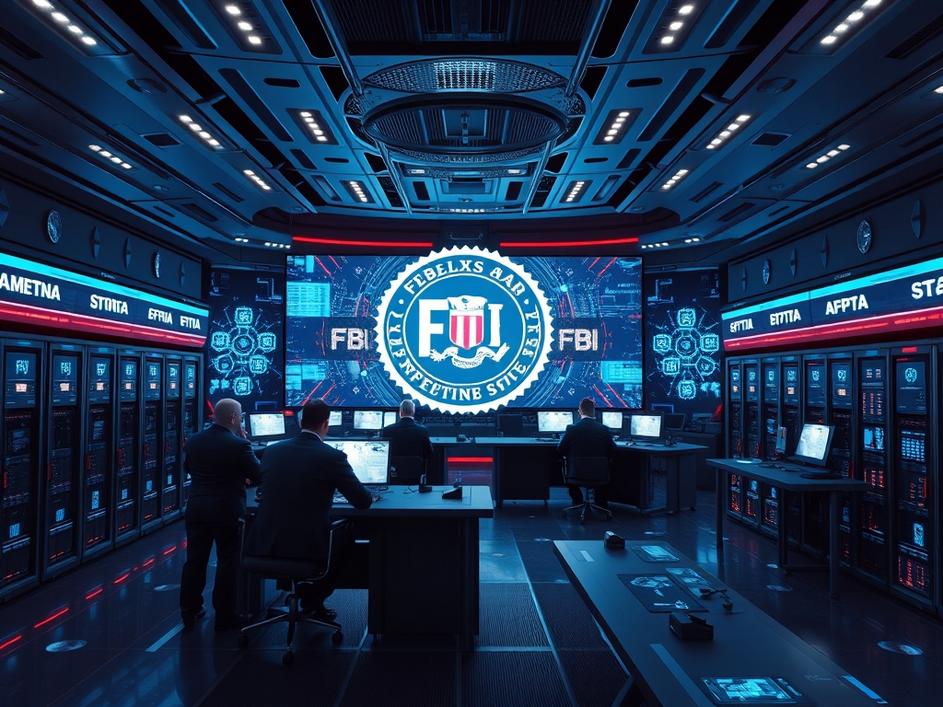
ToggleThe Federal Bureau of Investigation is boosting its use of artificial intelligence to tackle threats, according to Director Kash Patel. This move is designed to help the agency stay ahead of both domestic and international risks, he stated in a recent social media post. But what does this really mean, and how will it change the way the FBI operates?
The FBI faces an overwhelming amount of data every day. Think about the sheer volume of communications, financial transactions, and other digital footprints left by potential criminals and foreign adversaries. Sifting through all of that information manually is like searching for a needle in a haystack. AI offers a way to automate this process, identifying patterns and connections that human analysts might miss. The goal is to make investigations faster, more efficient, and more accurate.
So, how exactly might the FBI use AI? One likely application is in threat detection. AI algorithms can analyze online chatter, social media posts, and other sources to identify potential threats before they materialize. For example, AI could be used to flag individuals who are expressing extremist views or planning violent acts. Another application is in fraud detection. AI can analyze financial transactions to identify patterns that are indicative of money laundering, terrorist financing, or other illegal activities. AI could also be used to improve cybersecurity by identifying and blocking malicious software and other online threats.
On the surface, this seems like a positive development. If AI can help the FBI prevent terrorist attacks, disrupt criminal organizations, and protect our critical infrastructure, that’s a win for everyone. A more efficient FBI could mean fewer crimes committed and a greater sense of security for the public. By automating tasks and speeding up investigations, the FBI can potentially allocate more resources to other important areas, such as community outreach and crime prevention programs.
However, the increased use of AI by law enforcement also raises some serious concerns. One of the biggest is privacy. AI systems need data to function, and lots of it. This means the FBI will be collecting and analyzing even more information about individuals, including people who are not suspected of any wrongdoing. There is a risk that this data could be misused or that innocent people could be unfairly targeted based on faulty algorithms or biased data. The potential for surveillance and the chilling effect it could have on free speech are significant issues that need to be addressed.
Another concern is the potential for bias and discrimination. AI algorithms are only as good as the data they are trained on. If the data contains biases, the AI system will likely perpetuate those biases. This could lead to unfair or discriminatory outcomes, particularly for minority groups or other marginalized communities. For instance, facial recognition technology has been shown to be less accurate at identifying people of color, which could lead to wrongful arrests or other injustices. Ensuring fairness and accountability in AI systems is crucial.
To mitigate these risks, it’s essential that the FBI’s use of AI is subject to strict oversight and transparency. The public needs to know how AI is being used, what data is being collected, and what safeguards are in place to protect privacy and prevent discrimination. Independent audits and regular reports to Congress can help ensure that the FBI is using AI responsibly and ethically. Furthermore, there needs to be a legal framework in place to govern the use of AI by law enforcement, defining the boundaries and setting clear standards for data collection, analysis, and use.
It’s also important to remember that AI should not be seen as a complete replacement for human judgment. While AI can be a powerful tool for identifying patterns and making predictions, it cannot replace the critical thinking, empathy, and ethical considerations that human analysts bring to the table. There will always be a need for human oversight to ensure that AI systems are used appropriately and that the rights of individuals are protected.
The FBI’s move to embrace AI presents both opportunities and challenges. It has the potential to make us safer and more secure, but it also raises serious questions about privacy, fairness, and accountability. The key is to find the right balance between security and liberty, ensuring that AI is used to protect us from threats without eroding our fundamental rights. This requires a thoughtful and open discussion about the ethical implications of AI, as well as strong oversight and regulation to prevent misuse. It’s a complex issue with no easy answers, but it’s one that we must address if we want to harness the power of AI for the greater good.



Comments are closed