

We are a digital agency helping businesses develop immersive, engaging, and user-focused web, app, and software solutions.
2310 Mira Vista Ave
Montrose, CA 91020

2500+ reviews based on client feedback
What's Included?
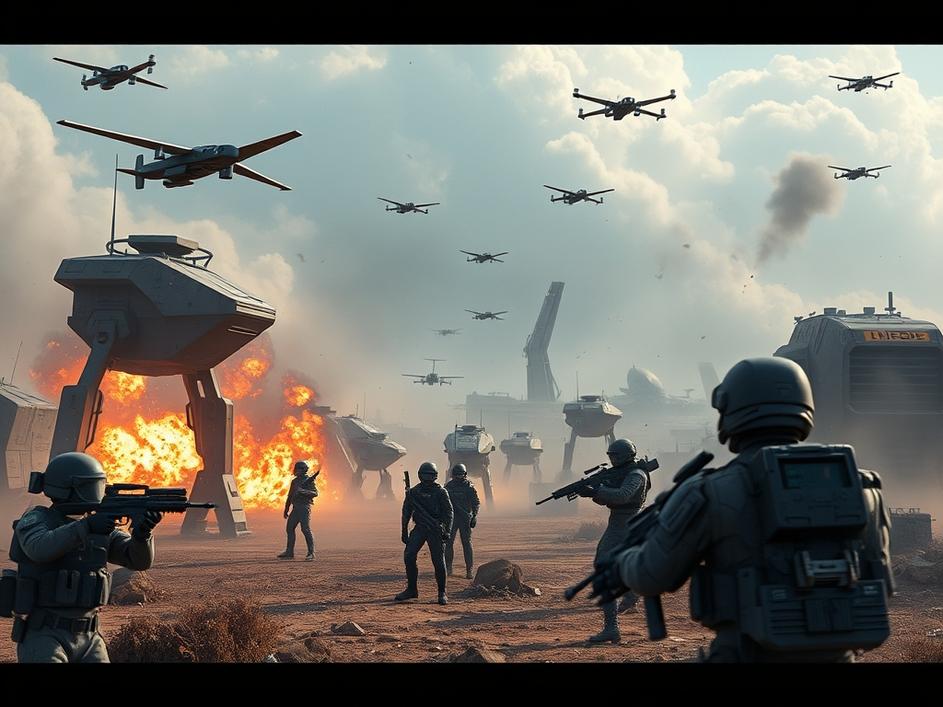
ToggleFormer Ukrainian Commander-in-Chief, Valeriy Zaluzhnyi, recently shared some insights about modern warfare, and it’s clear things are changing fast. He highlighted how drones, artificial intelligence (AI), and robotics are no longer just buzzwords; they’re key drivers in today’s conflicts. This isn’t some far-off future scenario – it’s happening right now on the battlefields. It’s a shift that demands attention and a complete rethinking of military strategy.
So, what does this actually mean? Think about it: drones provide constant surveillance, offering real-time information about enemy movements. AI can analyze massive amounts of data to predict enemy behavior and optimize resource allocation. And robots can handle dangerous tasks, reducing risks to human soldiers. This combination creates a battlefield where speed, precision, and adaptability are paramount. The old ways of simply throwing manpower at a problem are quickly becoming obsolete.
One of the biggest implications of this technological shift is the ability to overcome human limitations. AI systems don’t get tired, they don’t experience fear, and they can process information far faster than any human ever could. Drones can fly for hours, covering vast distances that would be impossible for soldiers on foot. Robots can defuse bombs, clear mines, and even engage in combat without putting human lives at risk. This doesn’t mean that human soldiers are becoming irrelevant, but it does mean that their roles are evolving. They’re becoming more like supervisors and strategists, working alongside machines to achieve their objectives.
Of course, the rise of AI and robotics in warfare also raises serious ethical questions. Who is responsible when an autonomous weapon makes a mistake? How do we prevent these technologies from being used to target civilians? And what are the long-term consequences of dehumanizing warfare? These are complex issues that require careful consideration and international cooperation. It’s crucial that we establish clear ethical guidelines and legal frameworks to govern the use of these technologies before they spiral out of control. If not, we could face a future where machines make life-and-death decisions without human oversight, which is a terrifying prospect.
What Zaluzhnyi’s observations underscore is a new kind of arms race – a race for technological superiority. Nations are now investing heavily in AI, robotics, and drone technology to gain an edge on the battlefield. This competition could lead to rapid innovation, but it also carries the risk of escalating conflicts and destabilizing the global order. If one country develops a significant technological advantage, it could be tempted to use it, potentially triggering a major war. It’s essential that we find ways to manage this competition and prevent it from spiraling out of control. This requires open communication, transparency, and a willingness to work together to establish common standards and regulations.
So, what can be done? First, military organizations need to adapt their training and strategies to reflect the new reality of modern warfare. Soldiers need to be trained to work alongside AI systems and robots, and they need to understand the capabilities and limitations of these technologies. Second, governments need to invest in research and development to stay ahead of the curve. This means supporting innovation in AI, robotics, and drone technology, and it also means exploring new ways to use these technologies for peaceful purposes, such as disaster relief and environmental monitoring. Third, the international community needs to come together to address the ethical and legal challenges posed by these technologies. This requires establishing clear guidelines for the use of autonomous weapons, promoting transparency in military research and development, and fostering dialogue and cooperation on issues of common concern.
Ultimately, the rise of drones, AI, and robotics in warfare represents a fundamental shift in the nature of conflict. It’s a shift that demands attention, adaptation, and a willingness to grapple with difficult ethical questions. If we can successfully navigate these challenges, we can harness the power of these technologies to create a safer and more peaceful world. But if we fail to do so, we risk unleashing a new era of conflict that is even more destructive and dehumanizing than anything we have seen before. It is not just about having the technology, but about understanding its implications and shaping its development in a responsible and ethical way.



Comments are closed