

We are a digital agency helping businesses develop immersive, engaging, and user-focused web, app, and software solutions.
2310 Mira Vista Ave
Montrose, CA 91020

2500+ reviews based on client feedback
What's Included?
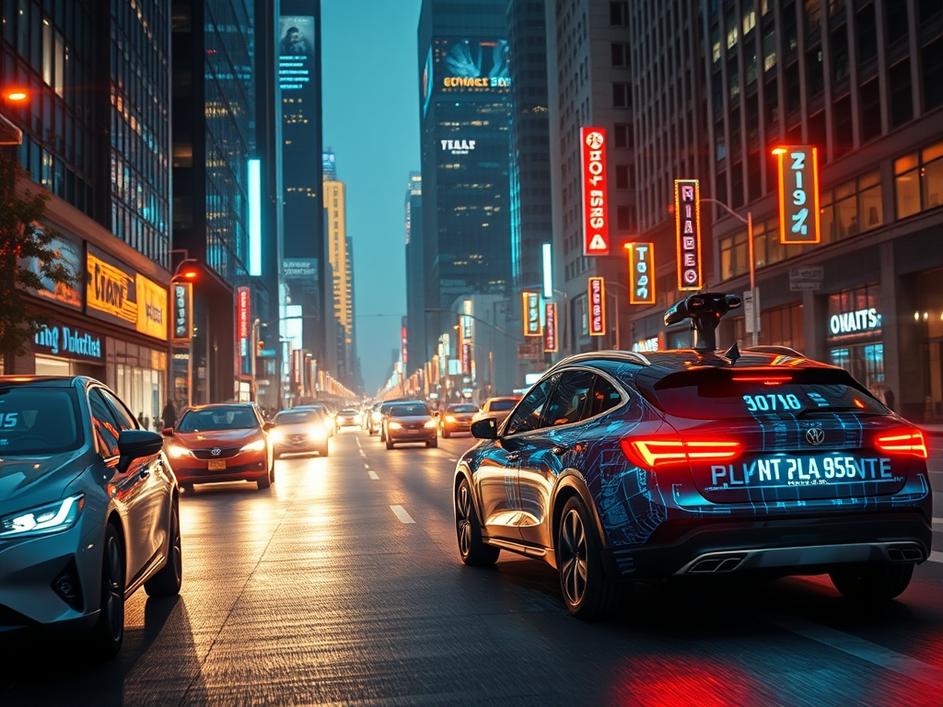
ToggleWe’re not just talking about cars anymore; we’re talking about rolling computers. The software-defined vehicle (SDV) market is poised for massive growth, and according to a recent report, we could see it reach a staggering $4.6 trillion by 2035. That’s not just a big number; it’s a complete shift in how we think about and interact with our vehicles. Forget the days of purely mechanical engineering; software is taking the driver’s seat, literally and figuratively.
What’s fueling this growth? Electric vehicles (EVs) are a major catalyst. EVs are essentially computers on wheels to begin with, relying heavily on software for everything from battery management to motor control. This reliance creates a fertile ground for more advanced software applications, driving the demand for SDVs. As EVs become more commonplace, the SDV market will naturally expand alongside it. Think of it as a snowball effect: more EVs, more software, and more sophisticated vehicles overall.
But it’s not just about EVs. SDVs promise a whole range of new features and capabilities that were previously unthinkable. Over-the-air updates, similar to what you get on your smartphone, will allow vehicles to constantly improve and adapt. Imagine your car getting new features and bug fixes without ever having to visit a dealership. Furthermore, advanced driver-assistance systems (ADAS) are becoming increasingly sophisticated, paving the way for autonomous driving. The SDV platform enables seamless integration of these complex systems, making them more reliable and user-friendly. And of course, entertainment and connectivity will be taken to the next level, turning your car into a personalized entertainment hub.
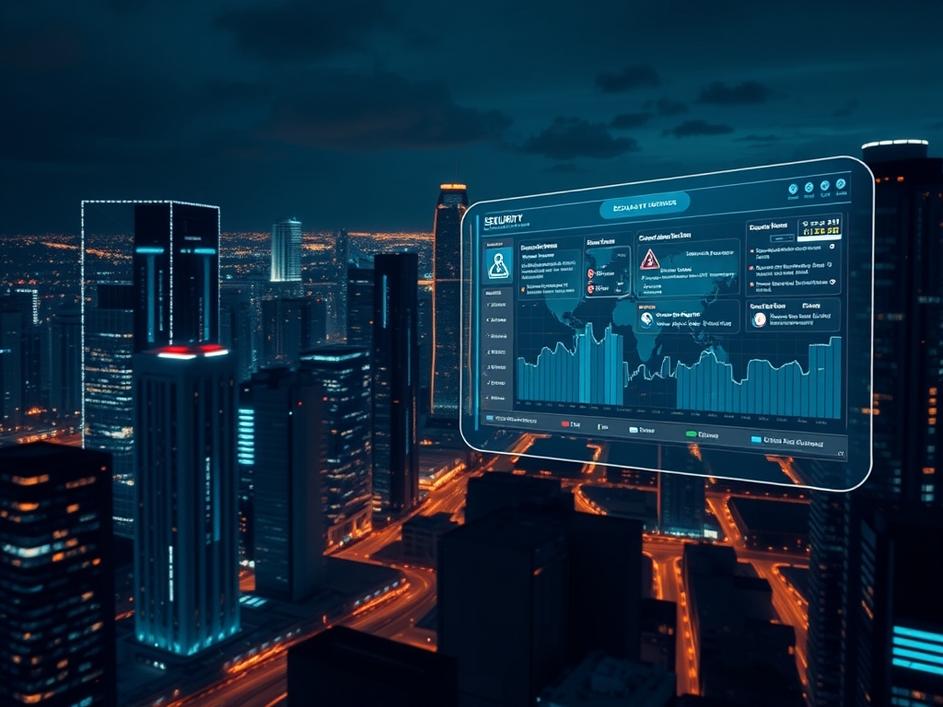
Of course, this rapid growth won’t come without its challenges. Cybersecurity is a major concern. As vehicles become more connected and reliant on software, they become more vulnerable to hacking. Protecting these systems from malicious attacks will be crucial. Data privacy is another important consideration. SDVs will collect vast amounts of data about our driving habits and preferences, and we need to ensure that this data is handled responsibly and ethically. However, these challenges also present opportunities. Companies that can develop robust security solutions and prioritize data privacy will have a significant advantage in the SDV market.
Who are the companies leading this revolution? Established automakers like Tesla, GM, and Ford are investing heavily in SDV technology. But there are also a number of tech companies, such as Google (with Waymo) and Apple (with its rumored car project), that are vying for a piece of the pie. And let’s not forget the suppliers of software and hardware components, such as NVIDIA and Qualcomm, who are providing the building blocks for SDVs. The competition is fierce, and it will be interesting to see who emerges as the dominant players.
The rise of SDVs is about more than just transportation; it’s about creating a new ecosystem. We’re talking about new business models, new services, and new ways of interacting with our vehicles. Imagine subscription services that unlock new features on demand, or personalized in-car experiences tailored to your individual preferences. And as autonomous driving becomes more prevalent, we could see the emergence of ride-hailing services that are cheaper and more convenient than ever before. The possibilities are endless, and it’s exciting to think about what the future holds.
An interesting parallel can be drawn to the world of personal computing. The rise of open-source software, like Linux, allowed for customization and community-driven innovation. While the automotive industry is more regulated, elements of this collaborative spirit could accelerate SDV development. Sharing code and best practices could lead to faster innovation and more secure, reliable systems. It also allows for niche players and startups to contribute and disrupt the established order.
The software-defined vehicle is not just a trend; it’s a fundamental shift in how we think about transportation. It’s about turning our cars into intelligent, connected, and adaptable devices that can enhance our lives in countless ways. While there are challenges to overcome, the potential benefits are too great to ignore. The road ahead is paved with innovation, and the SDV market is poised to drive us into a future where our vehicles are more than just machines; they’re partners in our journey.

Comments are closed