Electric Vehicles in 2023
In recent years, the buzz around electric vehicles (EVs) has grown immensely. With more consumers opting for sustainability, manufacturers are evolving rapidly to meet the demand. This shift is not just about saving the planet but also about enhancing mobility. As we move deeper into 2023, it’s clear that innovation in the EV sector is changing how we think about transportation.
The Push for Sustainability
People are becoming more aware of their carbon footprints, and that awareness is fueling the popularity of electric cars. Governments around the world are also encouraging this shift by granting incentives for EV purchases and setting deadlines for phasing out internal combustion engines. This push highlights a broader change—society is now placing more value on sustainability, and businesses are responding. Companies are not just producing EVs; they are also investing in infrastructure, like charging stations, that support this eco-friendly movement.
Technological Advancements
The heart of the EV revolution lies in technology. From improved battery lifespans to faster charging options, innovations are making electric vehicles more appealing. Manufacturers are focusing on enhancing performance, which includes longer ranges and quick charging times that rival traditional fueling methods. This is crucial because range anxiety is one of the biggest hurdles for potential EV owners. As technology continues to advance, it will undoubtedly reduce those concerns and make electric cars more practical for everyday use.
Impact on Urban Mobility
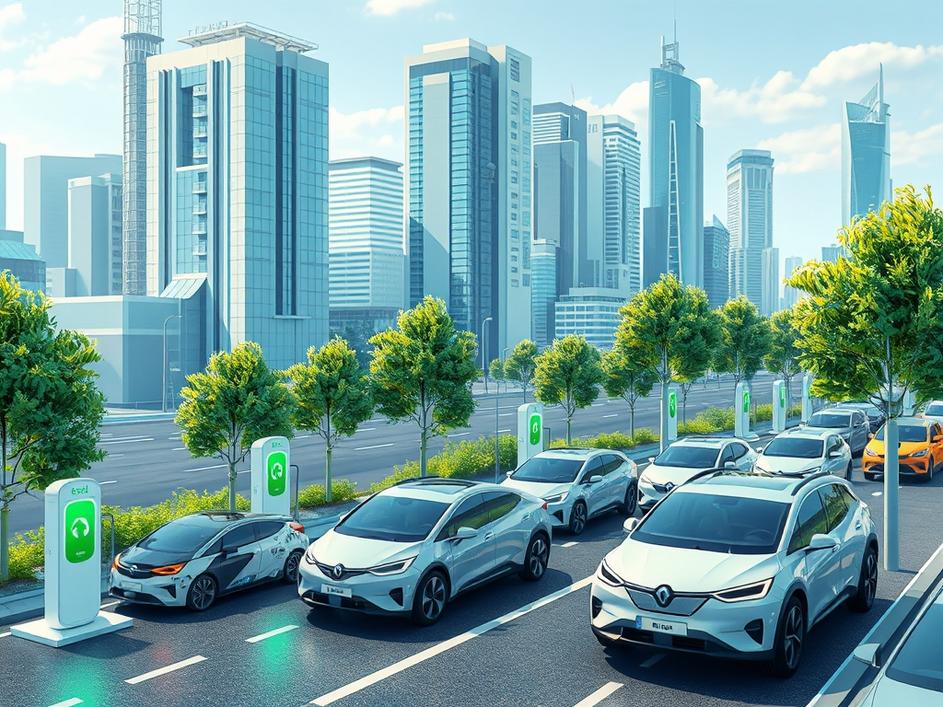
Electric vehicles are also influencing urban design and mobility paradigms. Cities are beginning to adapt to the rise of EVs by developing smarter infrastructures. This includes more charging stations, designated parking areas for electric cars, and patterns that prioritize clean energy transport. These changes are shaping how we navigate our environments, not just for EV users but also for the broader public. As cities become more EV-friendly, we can expect to see a decline in air pollution and traffic congestion.
Challenges Ahead
Even with all these advancements, challenges remain. The cost of EVs can still be prohibitive for many consumers. Additionally, the production of batteries raises concerns about resource extraction and recycling. As the demand for electric vehicles rises, manufacturers must also consider sustainable practices when sourcing materials. Addressing these issues is essential to ensure that the EV revolution is truly a step forward for environmental health.
A Thoughtful Conclusion
The electric vehicle market is on an exciting path. We’re witnessing not only a shift in consumer preferences but a societal change towards sustainability and smarter technology integration. While there are hurdles to overcome, the advancements in EV technology and urban infrastructure signal a promising future for how we travel. Embracing this change is crucial, as it holds the potential for cleaner air and a healthier planet for generations to come.






Comments are closed