

We are a digital agency helping businesses develop immersive, engaging, and user-focused web, app, and software solutions.
2310 Mira Vista Ave
Montrose, CA 91020

2500+ reviews based on client feedback
What's Included?
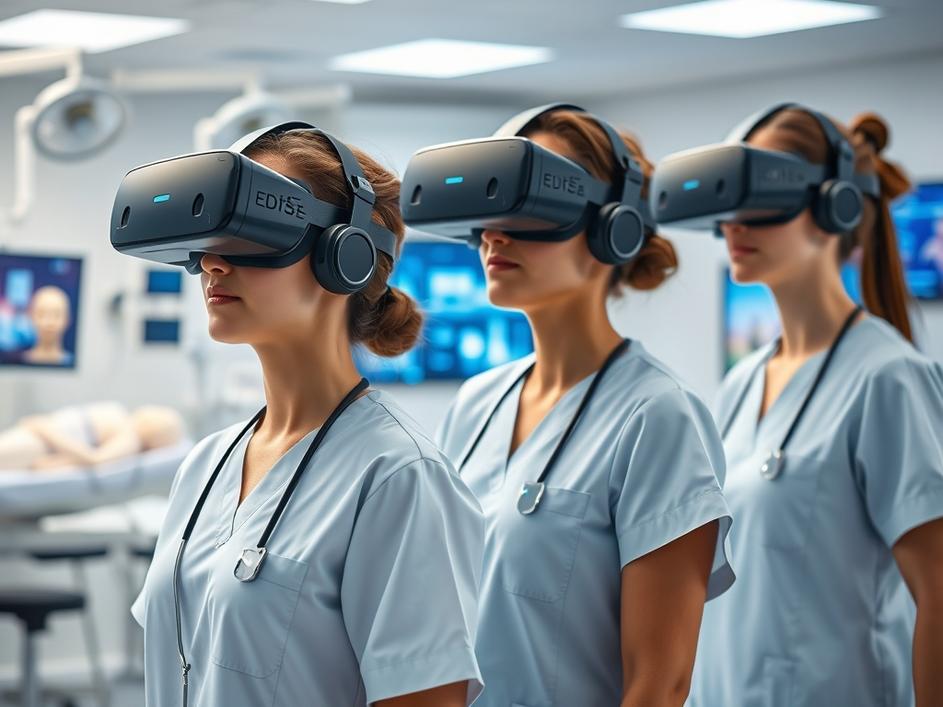
ToggleThe world of healthcare is constantly evolving, and so too must the way we train future healthcare professionals. At Kent State University, nursing students are getting a head start by using cutting-edge technology like artificial intelligence (AI) and virtual reality (VR) to hone their skills. It’s a bold move that promises to better prepare them for the realities of patient care.
Forget the days of solely relying on textbooks and static mannequins. With VR, students can now immerse themselves in realistic clinical scenarios, practicing everything from administering medication to responding to emergencies. The AI component adds another layer, allowing for dynamic patient responses and personalized feedback. This isn’t just about memorizing procedures; it’s about developing critical thinking and decision-making skills in a safe, controlled environment.
One of the biggest challenges in nursing education is bridging the gap between theoretical knowledge and real-world application. Traditional methods, while valuable, often fall short in replicating the complexities and pressures of a hospital setting. AI and VR offer a solution by providing students with hands-on experience that closely mirrors real-life situations. They can make mistakes, learn from them, and refine their approach without putting actual patients at risk. This experiential learning is invaluable in building confidence and competence.
It’s easy to get caught up in the technological wow factor, but it’s important to remember that nursing is fundamentally about human connection. While AI and VR can enhance technical skills, they also offer opportunities to develop crucial soft skills like empathy and communication. For example, students can practice communicating with virtual patients who exhibit a range of emotions and needs. This allows them to learn how to tailor their approach to different individuals, fostering a more compassionate and patient-centered approach to care. The tech isn’t a replacement for human interaction; it’s a tool to improve it.
Of course, implementing these technologies isn’t without its challenges. Cost is a significant factor, as VR headsets, AI software, and the necessary infrastructure can be expensive. There’s also the need for proper training and support for both students and faculty. Ensuring equitable access to these resources is crucial so that all students have the opportunity to benefit from this innovative approach to education. But, if integrated in a sustainable and well-planned manner, the benefits far outweigh the costs.
The integration of AI and VR into nursing education at Kent State is a sign of things to come. As technology continues to advance, we can expect to see even more sophisticated tools being used to train future healthcare professionals. This shift represents a paradigm shift in how we approach education, moving away from passive learning towards active, immersive experiences. The goal is not just to create skilled nurses, but also compassionate, adaptable, and innovative problem-solvers who are prepared to meet the challenges of a rapidly changing healthcare landscape.
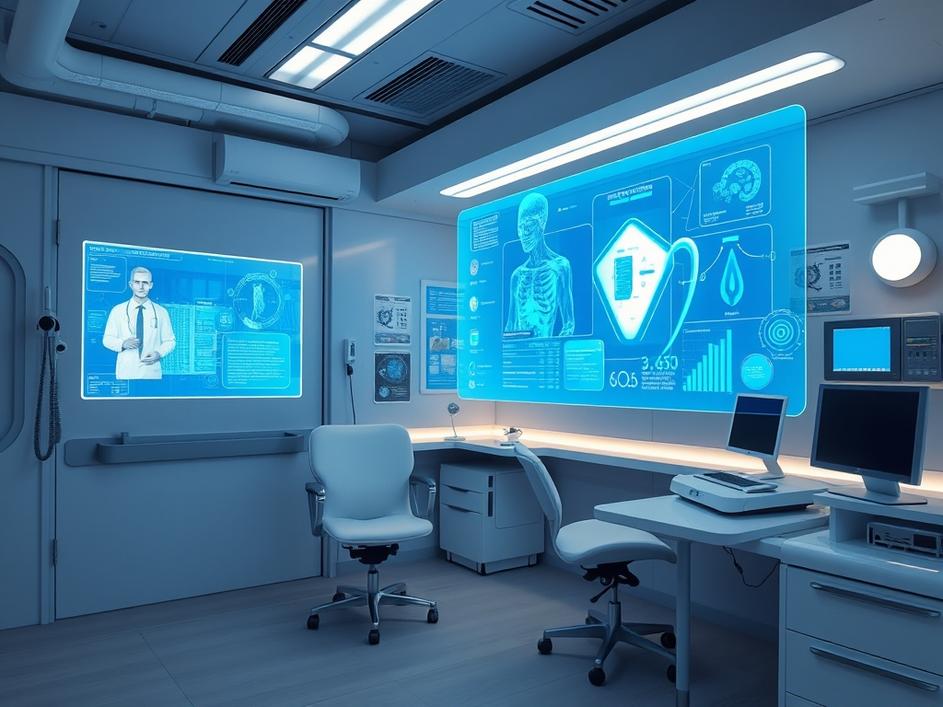
It’s not just about using technology in training, but also about preparing nurses for a healthcare environment that is increasingly reliant on technology. From electronic health records to advanced diagnostic tools, technology is becoming an integral part of patient care. By familiarizing students with these technologies early on, we can help them feel more confident and comfortable using them in their future careers. This will ultimately lead to better patient outcomes and a more efficient healthcare system.
The success of Kent State’s program serves as a call to action for other nursing schools and healthcare institutions to embrace innovation and explore the potential of AI and VR. By investing in these technologies and integrating them into their curriculum, they can better prepare their students for the future of healthcare and ensure that patients receive the highest quality of care. It’s time to move beyond traditional methods and embrace the transformative power of technology in nursing education. Let’s build a future where technology and compassion work hand in hand to improve the lives of patients and healthcare providers alike.
The use of AI and VR in Kent State’s nursing program represents a pivotal moment in healthcare education. It’s not just about keeping up with the times, but about actively shaping the future of patient care. By providing students with realistic, hands-on experience, these technologies are helping to bridge the gap between theory and practice, fostering critical thinking, and cultivating empathy. While challenges remain in terms of cost and accessibility, the potential benefits are undeniable. As technology continues to evolve, we can expect to see even more sophisticated tools being used to train future healthcare professionals. This shift towards immersive, technology-driven education is essential for ensuring that our nurses are well-prepared to meet the challenges of a rapidly changing healthcare landscape and provide the best possible care to their patients.


Comments are closed