Understanding the Shift
Today’s workforce is undergoing significant changes. The traditional 9-to-5 jobs are fading, replaced by a more flexible work environment. This shift is driven by technology, evolving worker expectations, and a desire for better work-life balance. People now prioritize personal time alongside their professional responsibilities. This trend offers new challenges and opportunities for both employees and employers.
The Rise of Remote Work
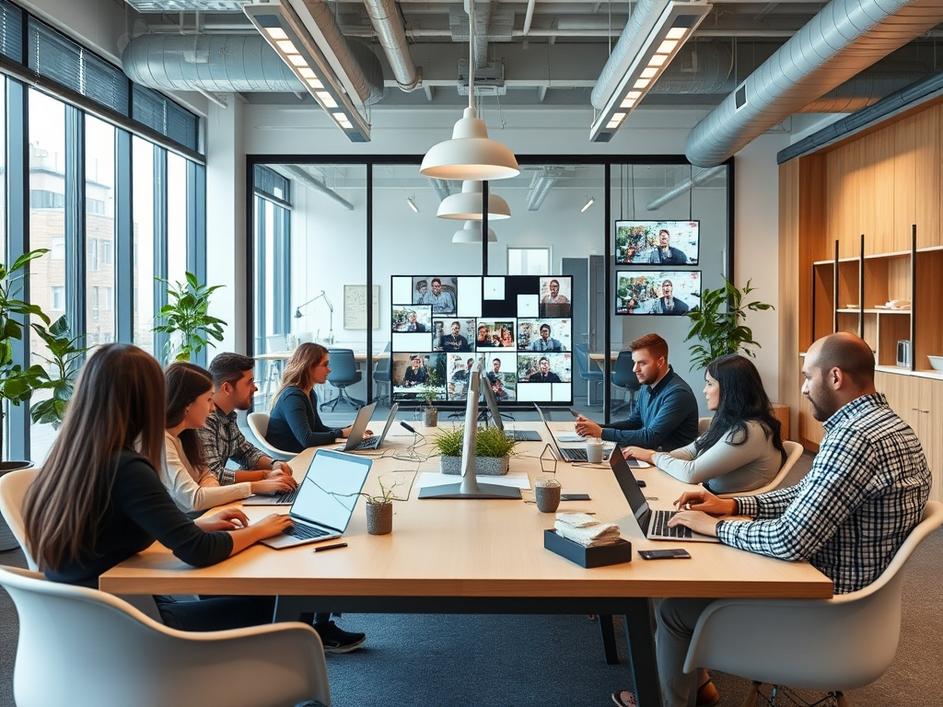
Remote work has become a norm rather than an exception. Many companies are adopting hybrid models that blend remote and in-office work. This flexibility allows employees to work from anywhere, fostering a sense of independence. It also opens doors for companies to hire talent from diverse locations, thus widening the talent pool significantly. However, adjusting to this new model can be tricky. Communication, collaboration, and accountability become even more important.
Challenges of the New Norm
Even as flexibility gets embraced, it doesn’t come without challenges. Many employees face difficulties in separating work and personal life when both happen in the same space. There’s a risk of burnout, as workers might feel pressured to always be available. Companies need to be aware of these risks and implement strategies to support their teams. Regular check-ins, clear boundaries, and mental health resources can help maintain a healthy work environment.
The Role of Technology
Technology plays a crucial role in this evolving landscape. Tools and platforms that facilitate remote work, like video conferencing, project management applications, and instant messaging, have become invaluable. They help teams collaborate effectively, no matter where they are. However, the overload of technology can also contribute to stress. Companies should aim for a balance between tech use and personal interaction to keep teams connected.
A New Workplace Culture
As workplaces adapt, there’s a growing emphasis on company culture. Organizations that foster a supportive environment are likely to attract and retain talent. Transparency, inclusivity, and respect are becoming prioritized attributes. Investing in employee wellness and engagement initiatives is essential. This creates a workplace where employees feel valued, which ultimately leads to increased productivity and satisfaction.
Conclusion: A Bright Future Ahead
Overall, the future of work promises a landscape rich with possibilities. Embracing flexibility can lead to a healthier work environment and a happier workforce. As companies and employees navigate this transition, they must remain adaptable and prioritize each other’s well-being. In doing so, we’re not just moving forward – we’re building a better way to work.






Comments are closed