

We are a digital agency helping businesses develop immersive, engaging, and user-focused web, app, and software solutions.
2310 Mira Vista Ave
Montrose, CA 91020

2500+ reviews based on client feedback
What's Included?
ToggleRemember when San Francisco was the undisputed king of tech? Those days are starting to feel like a distant memory. For years, the Bay Area attracted ambitious young people eager to make their mark on the digital world. But high costs of living, increasingly crowded conditions, and a certain level of corporate stuffiness pushed a generation to seek greener pastures. Gen Z, known for its resourcefulness and desire for authenticity, began looking elsewhere. They weren’t just seeking lower rents; they were looking for communities that resonated with their values and offered opportunities for real impact.
The initial wave of migration saw many Gen Z techies flocking to Texas and Florida. Cities like Austin, Miami, and Tampa offered a lower cost of living, warmer climates, and a more relaxed lifestyle. And, of course, the absence of state income taxes in Texas and Florida was a major draw. These states actively courted tech companies, and the influx of young talent helped fuel their growth. But these cities also started experiencing growing pains as infrastructure struggled to keep up with the booming populations and rising housing prices. Gen Z quickly realized that these ‘boom towns’ also came with challenges.
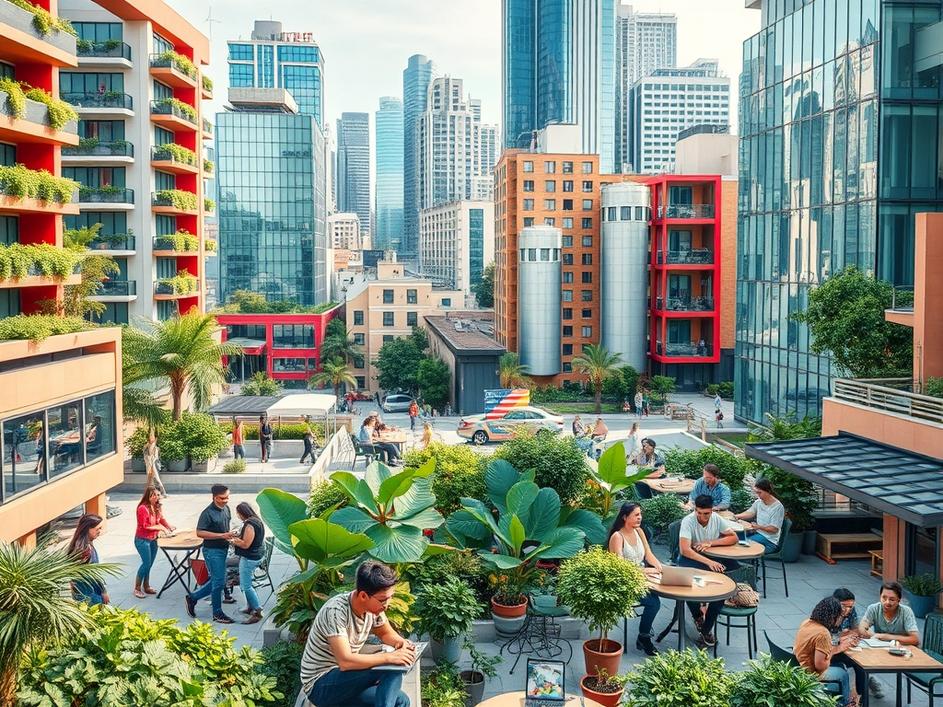
Now, a new trend is emerging: the rise of “welcomer cities.” These are smaller, often overlooked urban centers that are actively cultivating inclusive communities and fostering innovation. Think places like Boise, Chattanooga, or Raleigh-Durham. These cities are attracting Gen Z because they offer a unique blend of affordability, opportunity, and a strong sense of community. They are consciously building ecosystems that support entrepreneurs, creatives, and young professionals. They have active art scenes, community gardens, and co-working spaces popping up all over. These are places where Gen Z can not only afford to live, but also actively shape the culture and direction of their communities.
It’s important to recognize that Gen Z isn’t just replicating the Silicon Valley model in new locations. They’re bringing a different ethos to the tech world. They are deeply invested in social impact, sustainability, and ethical business practices. This generation wants to use technology to solve real-world problems, not just create the next addictive social media app. Their influence is transforming the very definition of what it means to be a tech hub. It’s no longer just about venture capital and billion-dollar valuations; it’s about creating inclusive ecosystems that benefit everyone in the community. Gen Z is prioritizing collaboration, open-source development, and community engagement.
These “welcomer cities” are not just passively attracting talent; they are actively building the infrastructure and support systems needed to thrive. Local governments are investing in high-speed internet, affordable housing, and public transportation. Universities are partnering with tech companies to create relevant training programs. And community organizations are fostering a sense of belonging and connection. This concerted effort is creating a virtuous cycle, attracting even more talent and investment. Gen Z is choosing to build something sustainable rather than chasing the fleeting glamour of Silicon Valley. They understand the power of community, and they are actively creating it wherever they go. The long-term implications of this shift are enormous. We are likely to see a more distributed and diverse tech landscape in the coming years, with innovation hubs emerging in unexpected places.
While the rise of “welcomer cities” is exciting, it’s crucial to acknowledge the potential challenges. As these communities grow, they will inevitably face issues like rising housing costs, increased traffic congestion, and strains on public resources. The key will be for these cities to proactively address these challenges while preserving the unique character and affordability that made them attractive in the first place. It also relies on the active participation of Gen Z in local politics and community development. Their engagement is necessary to ensure that these cities remain inclusive and sustainable for all residents. Gen Z needs to be actively involved in shaping the future of their communities, ensuring that they become truly “welcoming” for everyone, not just tech workers.
The decentralization of the tech industry, driven by Gen Z’s values and preferences, signifies a profound shift. It’s a move away from the winner-take-all mentality of Silicon Valley towards a more equitable and sustainable model. This shift has the potential to revitalize local economies, create new opportunities for underserved communities, and foster a more diverse and inclusive tech industry. And as Gen Z continues to mature and gain influence, their commitment to social impact and community engagement will likely shape the future of technology for generations to come.
The story of Gen Z’s tech migration is still unfolding. It’s a story of adaptation, resilience, and a desire to build a better future. By choosing “welcomer cities” over traditional tech hubs, they are rewriting the rules of the game and creating a more distributed, inclusive, and sustainable innovation ecosystem. While the challenges are real, the potential rewards are even greater. Gen Z is proving that the future of tech isn’t just about code and capital; it’s about community, collaboration, and a commitment to making a positive impact on the world. The great tech shift is not just a trend; it’s a fundamental change in how innovation happens and who gets to participate. It’s a story worth watching closely, because it will shape the future of our world.



Comments are closed