

We are a digital agency helping businesses develop immersive, engaging, and user-focused web, app, and software solutions.
2310 Mira Vista Ave
Montrose, CA 91020

2500+ reviews based on client feedback
What's Included?
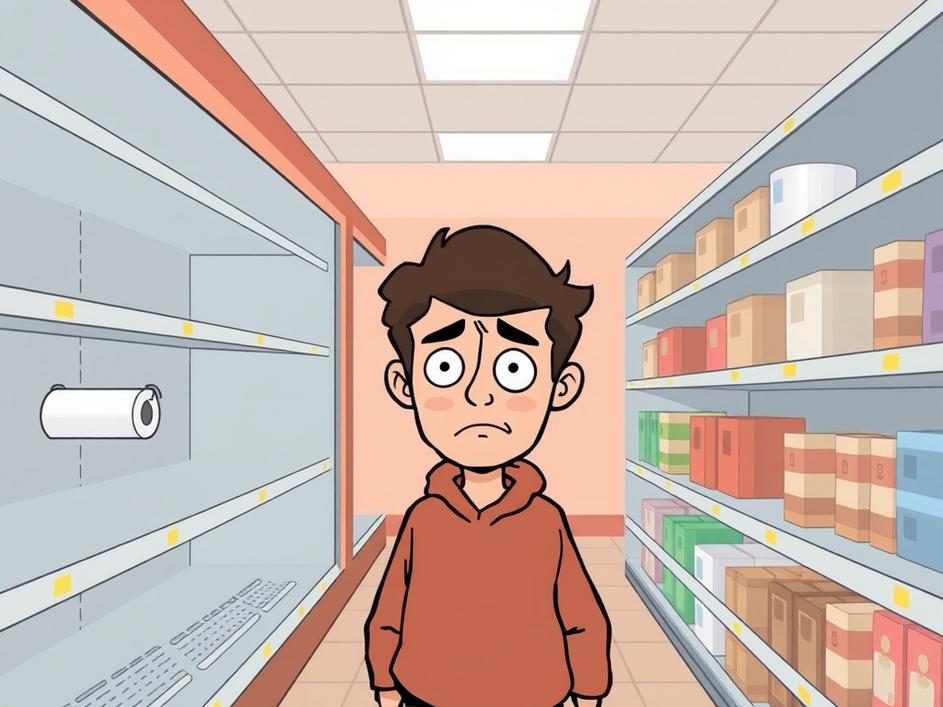
ToggleRemember back in 2020, when toilet paper suddenly became the most valuable commodity on the planet? People were fighting in supermarket aisles, stockpiling rolls like they were gold bars. It was… weird. And now, whispers are starting again. Are we headed for another TP shortage? Some analysts think that shifts in consumer spending, supply chain hiccups, and even global events are creating the perfect storm for empty shelves. But are these rumors true?
The supply chain problems that plagued us during the first years of the pandemic haven’t magically vanished. While things have improved, transporting goods around the world is still more expensive and less reliable than it was before 2020. A delayed shipment of pulp (the raw material for paper products) or a trucker shortage could easily cause a ripple effect, leading to temporary shortages of toilet paper and other essential items. And these minor disturbances often cause a chain reaction.
Inflation is a big deal. When everything from gas to groceries costs more, people start making tough choices about where to cut back. And while toilet paper might seem like a non-negotiable item, consumers may opt for cheaper brands or buy in bulk less often, changing the demand dynamic. Manufacturers, in turn, might adjust production to match the changing demand, creating further uncertainty in the supply chain. The increase in cost also affects the raw materials needed for the product and transportation costs.
Geopolitical instability always throws a wrench into the global economy. Wars, trade disputes, and political tensions can disrupt supply chains, drive up prices, and create uncertainty in markets. The increased price in materials and transportation could lead to a decrease in production of goods. The uncertainty can affect the stock market because people are unsure of how a company may perform when the prices are unpredictable.
So, are we doomed to face another toilet paper crisis? Not necessarily. While there are definitely factors that could lead to shortages, it’s important to remember that the market is much better prepared now than it was in 2020. Manufacturers have learned from past mistakes, and retailers are working hard to keep shelves stocked. There is a lot of safety measures in place to ensure the consumers can buy goods.
One of the biggest changes since 2020 is the increased diversification of supply chains. Companies are now sourcing materials from multiple suppliers and exploring alternative transportation routes to reduce their reliance on any single point of failure. This makes the system more resilient to disruptions, meaning that even if one supplier or route is affected, others can pick up the slack.
Perhaps the most important lesson from the toilet paper crisis of 2020 is the power of information – and the danger of misinformation. Social media fueled the panic, as people shared exaggerated reports and images of empty shelves. This created a self-fulfilling prophecy, as people rushed to stores to stock up, further exacerbating the shortages. It is always important to check the source of information.
Instead of hoarding toilet paper, focus on staying informed and making responsible purchasing decisions. Buy what you need, but don’t go overboard. Support local businesses and choose sustainable products whenever possible. And most importantly, don’t believe everything you read on the internet! A little bit of common sense can go a long way in preventing another unnecessary panic.
The possibility of minor supply chain disruptions always exists. However, the market is more resilient and manufacturers and retailers are more prepared. Stay informed, shop responsibly, and avoid succumbing to panic-buying. After all, a little bit of preparedness is always a good thing, but there’s no need to relive the great toilet paper wars of 2020.

Comments are closed