Understanding Urban Growth
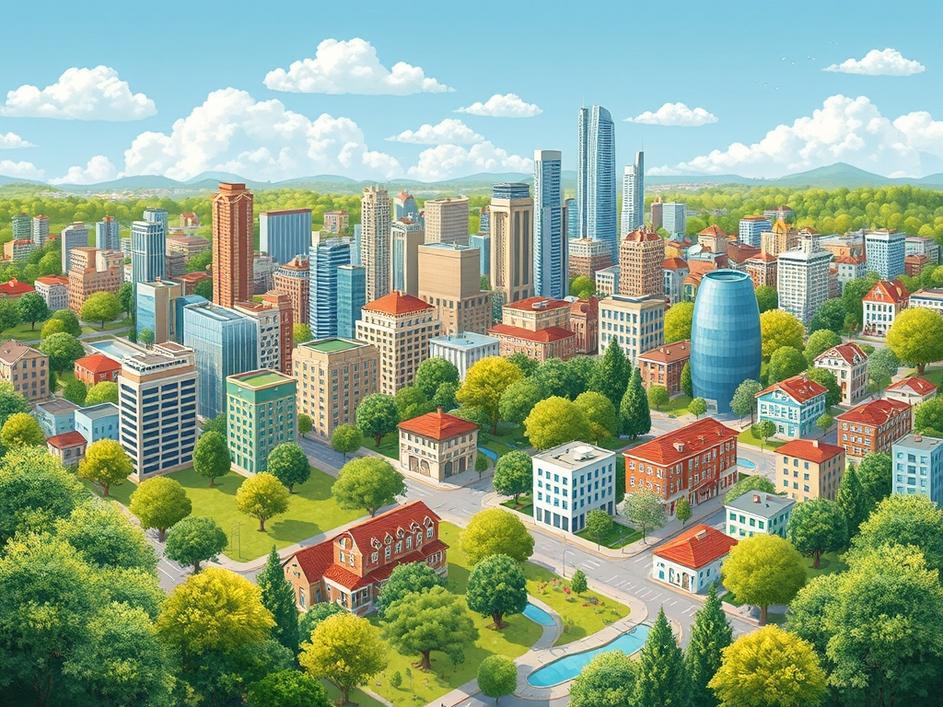
Urban development is a fascinating topic. Cities are constantly changing, with new buildings, roads, and communities showing up like mushrooms after a rain. This growth can signal progress, economic vitality, and increased opportunities. However, not everything about urban expansion is positive. The more we build, the more we must think about the consequences that come with it. Rapid urban development can often lead to unintended negative impacts on a community.
The Impact on Local Communities
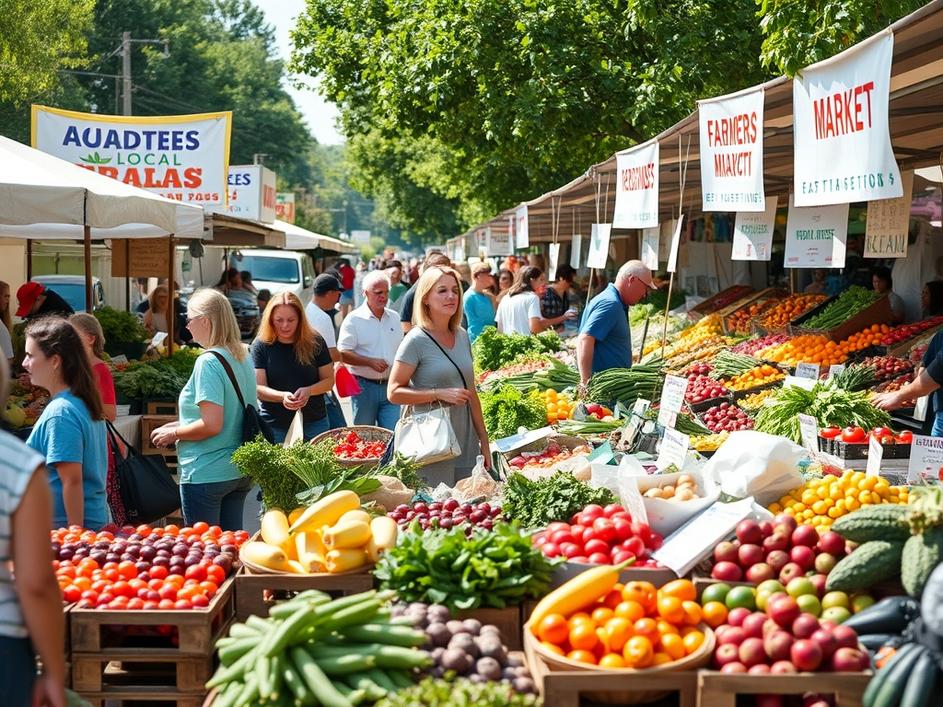
One of the main concerns is how urban growth affects existing residents. New constructions can drive up property values and rent, pushing long-time residents out of their homes. This process, known as gentrification, can disrupt social fabric and force families into neighborhoods where they might not feel welcome or where they have fewer resources. It’s essential to ask: who benefits from this development, and at what cost?
Environmental Considerations
Another significant factor is the environment. Natural landscapes give way to concrete jungles, and this can have dire consequences. The loss of green spaces means that air quality can suffer, and rising temperatures in cities can lead to what experts call the urban heat island effect. Wildlife habitats are disrupted, contributing to declines in biodiversity. While cities grow and modernize, we need to be mindful of their ecological footprint.
The Strain on Infrastructure
With increasing populations, our infrastructure faces significant strain. Roads, public transportation, and utility services all require upgrades, but this often comes at the last minute or not at all. Residents can find themselves stuck in traffic or lacking reliable public transport options. It raises a critical question about planning: are our city planners anticipating future growth, or are they reacting to it? Proactive strategies are necessary if we want to build cities that can grow sustainably and efficiently.
Finding Balance in Development
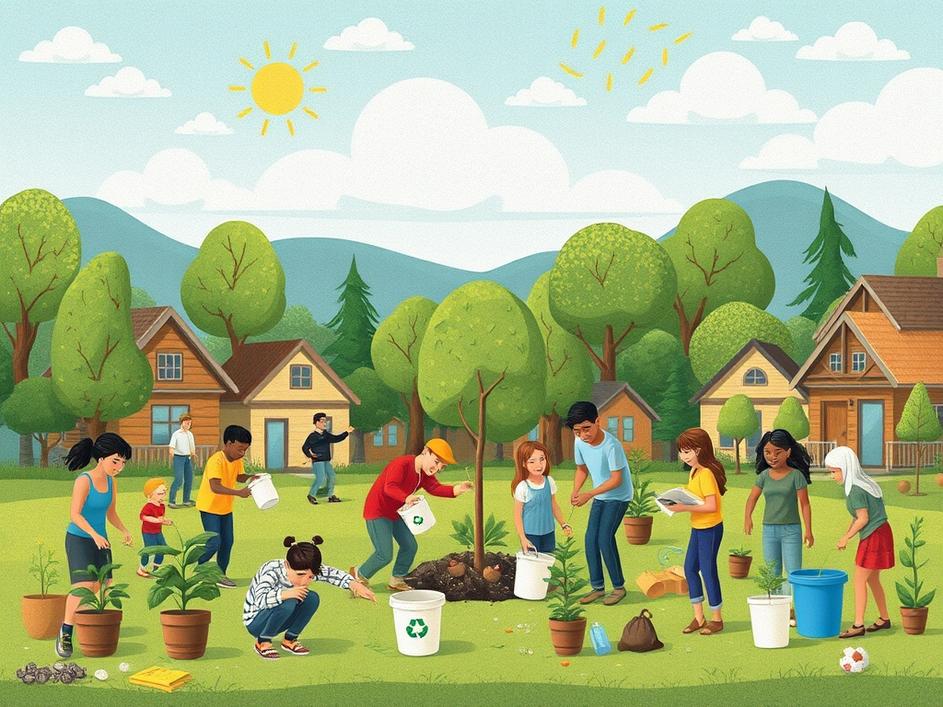
So, what’s the solution? It begins with finding balance. Developers, city planners, and local governments need to work together to create growth strategies that prioritize not just economic gain but also community wellbeing and environmental sustainability. Engaging residents in planning discussions can help create developments that are inclusive and address the needs of diverse populations. It’s about striking a balance between growth and quality of life.



Comments are closed