

We are a digital agency helping businesses develop immersive, engaging, and user-focused web, app, and software solutions.
2310 Mira Vista Ave
Montrose, CA 91020

2500+ reviews based on client feedback
What's Included?
TogglePeople need GitHub accounts for many reasons. Some are new developers who want to push code quickly. Others are marketers who need a profile that looks established. A ready‑made account can save time. It also gives a shortcut to features that are only available after a certain amount of activity, like repository transfers or organization creation. Because GitHub is a central hub for open source, having a credible account can open doors that would otherwise stay closed. That is why a whole niche of sellers has grown around buying and selling these accounts. The promise is simple: you get a profile that already has stars, followers, or a history of contributions. For many, that feels like a fast‑track to credibility. The trade‑off is that you are stepping into a gray area that most people don’t think about until something goes wrong.
On the listings you will see terms like “verified”, “PVA” and “aged”. Verified usually means the seller has added a phone number or two‑factor authentication, making the account harder to hijack. PVA stands for Phone‑Verified Account, which is a step up in security. An aged account is simply one that has existed for months or years, often with a history of commits and pull requests. Sellers claim these traits boost trust and reduce the chance of the account being shut down. They also bundle extra perks, such as existing private repositories or access to paid features. The price tags vary widely, from a few dollars for a fresh account to several hundred for a well‑established one. The promise sounds attractive, especially for freelancers who need a portfolio fast.
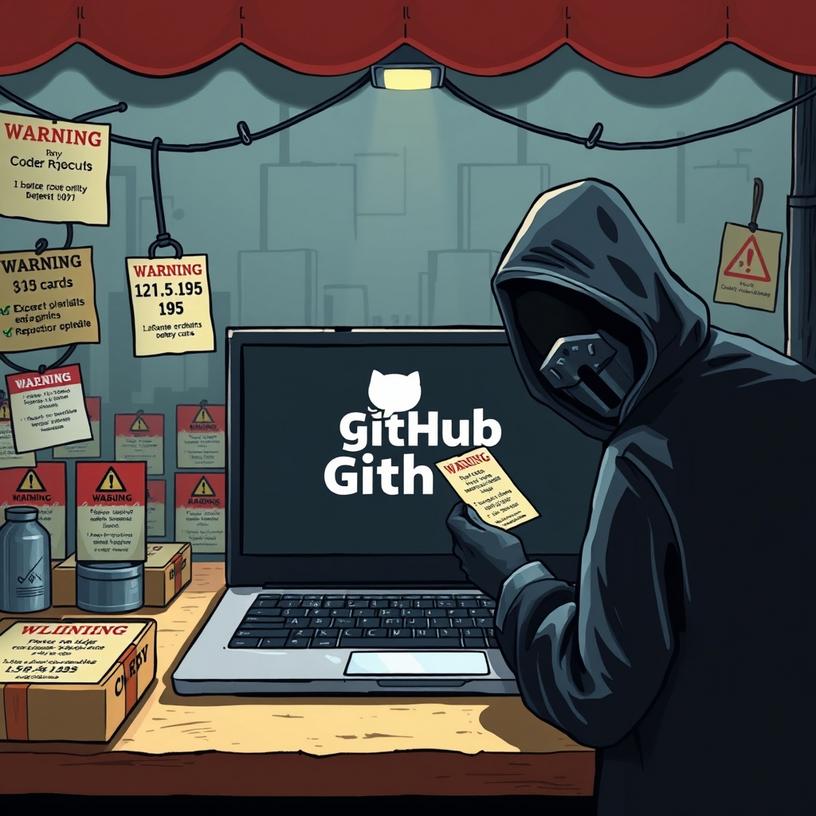
Buying an account is not a risk‑free transaction. First, you never know the full history of the account. It could have been used for spam, plagiarism, or even malicious code. If GitHub detects policy violations, the account can be suspended without warning, taking any work you stored there with it. Second, you hand over control to a third party. Even if the seller provides the credentials, they might keep a backdoor or change the password later. Third, the price you pay can quickly become a sunk cost if you have to create a new account after a ban. Finally, there is a psychological cost. Working under a borrowed identity can feel uncomfortable, especially when you are asked to represent the account publicly. All these hidden factors add up and often outweigh the short‑term convenience.
GitHub’s terms of service explicitly forbid the sale or transfer of accounts. When you buy one, you are already breaking the contract you sign when you create a free account. That puts you at risk of legal action, though it is rarely pursued. The ethical side is even murkier. Using an account that is not yours can mislead collaborators about your experience level. It can also distort the metrics that the community relies on, such as contribution counts or follower numbers. In open source, trust is a currency. Buying credibility cheap can erode that trust for everyone. While most buyers think they are just saving time, they may be undermining the very ecosystem they rely on.
If you are tempted to buy a GitHub account, pause and ask why. Often the real need is a portfolio that shows real work. Building that portfolio takes time, but it is authentic and safe. If you need a paid feature quickly, consider GitHub’s student pack or a short‑term trial instead of a shady purchase. Look at alternatives like creating a new account and gradually adding contributions. The community values quality over quantity, and a well‑crafted project can speak louder than a long‑standing profile. If you still decide to buy, do thorough due diligence: verify the seller’s reputation, request proof of ownership, and change all security settings immediately. Treat the purchase like any other risky investment – weigh the upside against the potential fallout.
The allure of a ready‑made GitHub account is understandable. It promises instant credibility and immediate access to features that would otherwise require time and effort. But the trade‑offs are steep. You face security risks, possible policy violations, and ethical dilemmas that can damage your reputation. In a community built on openness and trust, shortcuts can backfire. Investing the time to grow your own account may feel slower, but it yields genuine experience and a clean record. In the end, the safest path is to build, share, and learn the hard way – that’s what the open‑source world rewards most.
Source: Original Article



Comments are closed