AI is Everywhere
In today’s world, artificial intelligence shows up in almost everything we do. From the recommendations we get on Netflix to the chatbots on customer service lines, AI is becoming more integrated into our daily lives. Some people find this exciting, while others are understandably wary. The truth is, AI isn’t just a futuristic concept anymore; it’s a part of our reality. But with every new technology, there arises a fundamental question: how much control do we actually have in a world driven by algorithms?
Fear and Fascination
Some folks are so charmed by the convenience AI brings that they overlook the potential downsides. After all, it’s hard to argue against having the world’s information, curated to your taste, at your fingertips. But there’s an underlying fear that creeps up. What if this same technology begins to dictate the decisions we make? What happens if our jobs become obsolete because a machine can do them faster and cheaper? This pushes us to ask not just what AI can do, but also what it should do.
Balancing Benefits and Risks
One of the brightest sides of AI is its ability to handle massive amounts of data quickly. This feature is invaluable in sectors like healthcare and education. Doctors can utilize AI tools to look for patterns in medical data that might escape human perception. In education, AI can personalize learning experiences, helping students grasp challenging topics. However, as we embrace these advantages, we must remain vigilant regarding privacy and misinformation. Are we giving up more than we gain?
The Role of Humans in AI
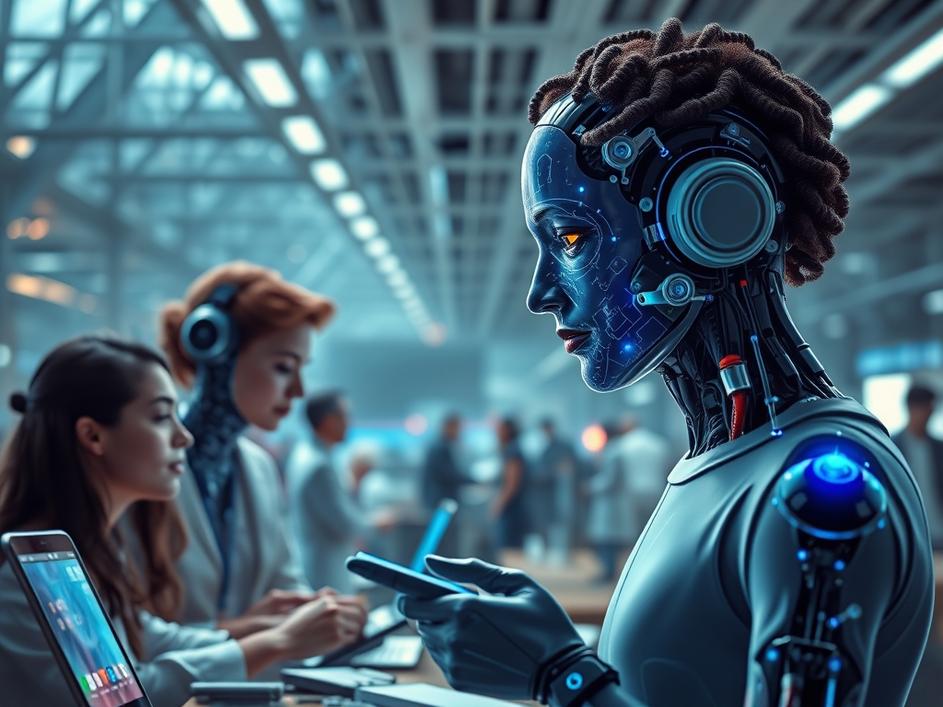
Even with the increasing influence of AI in various sectors, there is still an irreplaceable human aspect. Machines can analyze data but lack the emotional intelligence and ethical considerations that humans provide. As we integrate AI systems into more facets of our lives, it’s critical to incorporate human oversight. This doesn’t mean we have to halt progress; it means guiding it to serve society better rather than alter its very fabric. Most importantly, we need to ensure that AI amplifies human strengths rather than diminishes them.
The Future of AI and Society
Looking ahead, we should strive for a future where AI supports human endeavors rather than replaces them. Collaboration should be at the forefront of AI development, ensuring that systems are designed with an emphasis on ethical standards. This way, we can foster innovation while protecting jobs and preserving personal connections. The future doesn’t have to be a showdown between humans and machines; instead, it can be a partnership that allows us to thrive in unison.





Comments are closed