

We are a digital agency helping businesses develop immersive, engaging, and user-focused web, app, and software solutions.
2310 Mira Vista Ave
Montrose, CA 91020

2500+ reviews based on client feedback
What's Included?
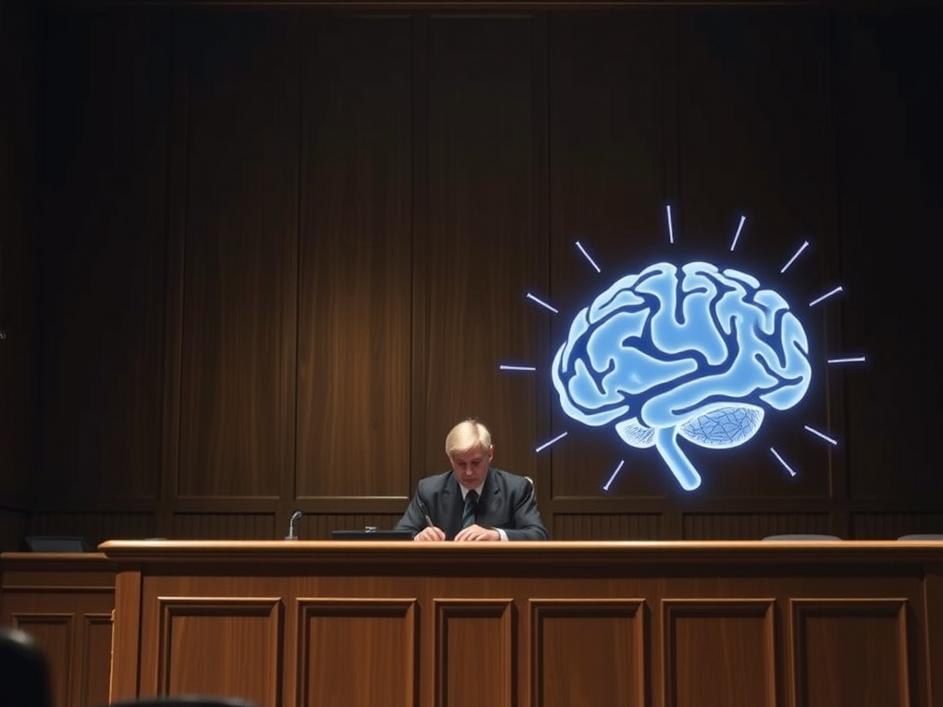
ToggleArtificial intelligence is making waves everywhere, from art to medicine. But can it replace the human element in our justice system? Justice Vikram Nath of the Supreme Court of India recently weighed in, suggesting AI has a role as a helper, but will never fully take over the crucial job of judgment. This makes you think – what is it about judging that’s so essentially human?
AI thrives on data. It can process huge amounts of information at lightning speed, find patterns, and even make predictions. But court decisions aren’t just about crunching numbers or applying laws mechanically. They involve understanding human behavior, weighing different perspectives, and considering the specific context of each case. It’s about applying wisdom, not just data. Can an algorithm truly understand the nuances of a broken family, the desperation of poverty, or the complexities of human motivation? I think not.
One thing that sets human judges apart is empathy. They can connect with the people involved in a case, understand their emotions, and consider the human impact of their decisions. AI, for all its advancements, lacks this fundamental ability. It can analyze data about emotions, but it can’t *feel* them. This emotional intelligence is crucial for making fair and just decisions, especially in cases involving sensitive issues like child custody, domestic violence, or criminal sentencing. A computer spitting out a sentence based on pure statistics leaves no room for mercy, compassion, or the possibility of rehabilitation.
Laws aren’t always black and white. Often, they’re open to interpretation, and judges must use their legal expertise and reasoning skills to apply them to specific situations. This requires creativity, critical thinking, and the ability to see beyond the literal wording of the law. AI can help research precedents and analyze legal arguments, but it can’t replace the human judge’s ability to interpret the law in a fair and just way. The law should be a living document, informed by each unique situation.
Finally, there’s the issue of accountability. Human judges are accountable for their decisions, both to the legal system and to the public. They can be questioned, appealed, and even impeached if they abuse their power. This accountability helps ensure that judges act fairly and impartially. Who is accountable when an AI makes a bad decision? Who do you appeal to? Can we really trust an algorithm to make life-altering decisions without any human oversight? The human face of justice is important for maintaining public trust and confidence in the legal system.
It’s also important to remember that AI is only as good as the data it’s trained on. If the data contains biases, the AI will likely perpetuate those biases in its decisions. For example, if an AI is trained on data that reflects racial disparities in the criminal justice system, it may be more likely to recommend harsher sentences for defendants of color. This could lead to further injustices and undermine the fairness of the legal system. Human judges, while not immune to bias, at least have the capacity to recognize and overcome their own prejudices. AI lacks this self-awareness, making it a potentially dangerous tool if not used carefully.
None of this is to say that AI has no place in the justice system. It can be a valuable tool for automating routine tasks, conducting legal research, and identifying potential biases in data. But it’s important to remember that AI is just a tool, and it should be used to support human judges, not replace them. The goal should be to find the right balance between AI and human judgment, ensuring that technology is used to enhance, not undermine, the fairness and integrity of the legal system.
In conclusion, while AI can certainly assist in the justice system, it will never be able to replace the core role of human judgment. The ability to empathize, interpret, and apply wisdom to complex situations is what makes human judges so essential. As Justice Nath pointed out, the human touch is irreplaceable in the pursuit of justice. We must be cautious about over-relying on AI and ensure that human judges remain at the heart of our legal system, safeguarding fairness, accountability, and the enduring values of justice for all.

Comments are closed