

We are a digital agency helping businesses develop immersive, engaging, and user-focused web, app, and software solutions.
2310 Mira Vista Ave
Montrose, CA 91020

2500+ reviews based on client feedback
What's Included?
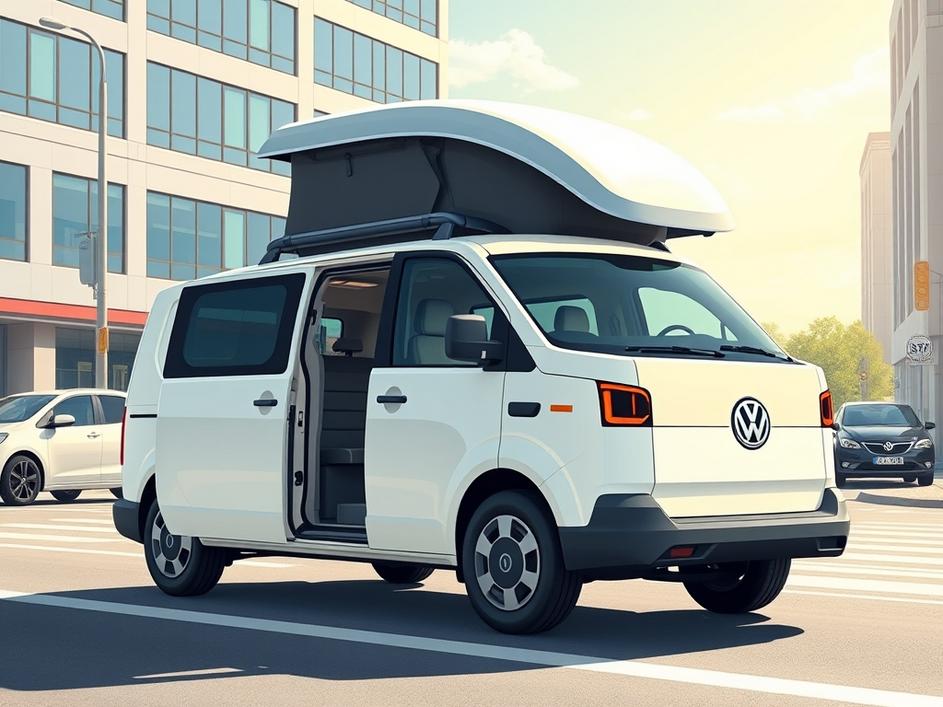
ToggleVolkswagen has just dropped a series of deep discounts on its ID Buzz, and the reaction online feels like a flash crowd at a concert. The price cuts are big enough to make the van jump from a niche curiosity to a realistic option for families and small businesses. When the discounts were announced, the starting MSRP slipped by several thousand dollars, putting the base model under $35,000 in many markets. That puts it squarely in the range of conventional gasoline vans, but with the added benefit of zero emissions. For people who have been eyeing the Buzz for years but were put off by the price tag, the new numbers feel like a green light. It also shows VW’s willingness to move inventory faster as the EV market gets crowded, and it gives us a chance to reassess whether the van finally delivers on its promise.
The ID Buzz is more than just a new electric vehicle; it’s a modern reinterpretation of one of the most iconic vans of the 1960s. The original VW Microbus was a cultural symbol, a mobile clubhouse for the counter‑culture movement, and it still pops up in movies and retro‑style ads. Volkswagen tried to capture that spirit with the ID Buzz, keeping the rounded silhouette, the wide windshield, and the friendly front fascia, while packing a fully electric drivetrain underneath. The interior is a mix of minimalist digital displays and flexible seating that can be folded flat for cargo. Early reviewers praised the vibe but complained about the price and limited range. Those concerns are now being addressed, at least on the cost side, thanks to the fresh discounts.
The headline numbers are what get most of the attention. In the U.S., the ID Buzz Pro 2‑row version now starts at $34,995 after a $4,500 dealer discount and an additional $2,000 federal tax credit, effectively bringing the out‑of‑pocket cost to around $28,500. The 5‑row variant, which can seat up to eight, is listed at $38,995 before incentives, and after the same discounts it lands near $32,000. Both models come with a 111 kWh battery pack that VW claims will deliver about 260 miles on a single charge under EPA testing. That range is competitive with the Tesla Model Y and the Ford Mustang Mach‑E, but the Buzz offers a unique shape that can fit larger loads without the boxy look of most crossovers. The lease deals are also generous, with monthly payments as low as $299 for three years, which could be appealing for businesses that want to keep cash flow steady.
Behind the retro exterior, the ID Buzz feels surprisingly modern. The instant torque of the electric motor gives a smooth, quiet acceleration that feels more like a small bus than a van. In city traffic, the low‑speed torque makes merging and stop‑and‑go feel effortless. On the highway, the van holds a steady 65 mph cruising speed with minimal wind noise, and the regenerative braking system is tuned to recover energy without being too abrupt. The cabin is quiet enough that you can have a conversation without raising your voice, which is a nice change from the rumble of a gasoline engine. The infotainment screen runs VW’s latest software, supporting Android Auto and Apple CarPlay, and the digital instrument cluster can be customized to show range, energy usage, and even a retro‑style speedometer for fun. Overall, the driving experience matches the price reduction – it feels like you’re getting a premium product for a mid‑range cost.
When you line the ID Buzz up against other electric vans and SUVs, a few things stand out. The Nissan e‑NV200 is cheaper on paper, but it offers only about 124 miles of range and a cramped interior. The Mercedes‑EQV is luxurious and has a range close to 280 miles, yet its price starts well above $70,000, putting it out of reach for most families. The upcoming Rivian R1T pickup also promises a high‑capacity battery, but its boxy shape and higher price make it a different animal. In the crossover segment, the Hyundai Ioniq 5 and Kia EV6 both deliver similar range and performance, but they lack the van’s cargo volume and the nostalgic design that appeals to a specific crowd. The ID Buzz’s new pricing gives it a sweet spot: enough range for daily use, enough space for gear, and a price that competes with mainstream gasoline vans while still offering the tax benefits of an EV.
The big discounts on the Volkswagen ID Buzz change the conversation from “nice to have” to “realistic option.” The van still isn’t the cheapest EV on the market, but it now sits in a price band where the added cargo space, distinctive styling, and solid electric range become genuine selling points. If you’ve been waiting for a vehicle that feels both nostalgic and future‑ready, the timing couldn’t be better. The combination of lower upfront cost, federal incentives, and a respectable 260‑mile range makes the Buzz a contender for families, delivery services, and anyone who wants a bit of personality on the road. In short, the retro EV van finally looks worth the money, and the discounts give it a fighting chance to become a staple in the growing electric fleet.



Comments are closed