

We are a digital agency helping businesses develop immersive, engaging, and user-focused web, app, and software solutions.
2310 Mira Vista Ave
Montrose, CA 91020

2500+ reviews based on client feedback
What's Included?
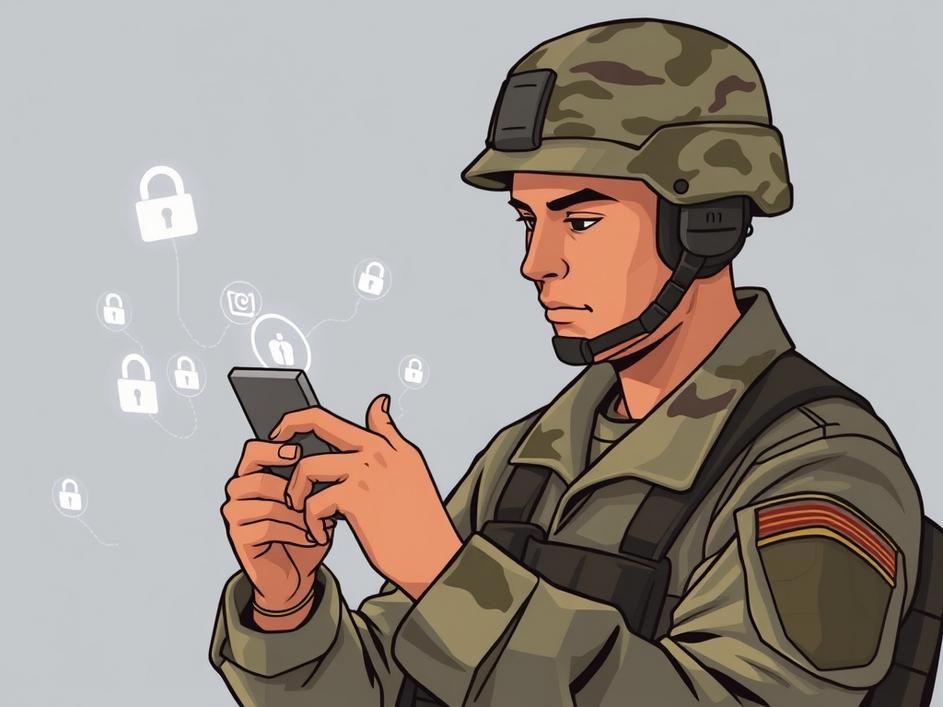
ToggleThe Indian Army has recently rolled out new guidelines governing the use of social media by its personnel. This isn’t just about what soldiers can and can’t post; it’s about safeguarding national security in an age where information spreads faster than ever before. The policy covers popular platforms like Instagram, WhatsApp, and LinkedIn, reflecting the pervasive influence of these tools in modern communication. But what does this mean for the average soldier, and how will it impact their online presence?
The rationale behind these restrictions is clear. Social media, while offering a convenient way to connect with loved ones and share experiences, also presents significant risks. Sensitive information, even seemingly innocuous details, can be pieced together by adversaries to gain intelligence. Think about location data, unit affiliations visible in photos, or casual mentions of upcoming deployments. All these can be goldmines for those seeking to undermine national security. The Army’s move aims to create a digital firewall, preventing unintentional leaks and protecting operational security.
The specifics of the policy likely involve restrictions on posting operational details, criticizing the government, and engaging in political activism online. Soldiers may also be discouraged from sharing their locations or discussing their units’ activities. The policy likely emphasizes the importance of verifying information before sharing it, a crucial step in combating the spread of disinformation. Essentially, the goal is to ensure that soldiers’ online activities don’t compromise national security or the integrity of the armed forces.
This policy brings up an important debate: how do you balance national security with the personal freedoms of service members? Soldiers, like any other citizens, have a right to express themselves and connect with others. However, their unique position within the military demands a higher level of responsibility and discretion. The challenge lies in creating guidelines that are strict enough to protect sensitive information but also allow soldiers to maintain a normal online presence. It’s a delicate balancing act, and it’s likely that the Army will need to refine its approach over time.
One potential consequence of these restrictions is the impact on morale. Soldiers might feel that their personal lives are being excessively scrutinized, leading to resentment and a feeling of being disconnected. It is also possible that younger generations might be discouraged from joining the army. The Army will need to communicate the reasons behind the policy clearly and ensure that soldiers understand the importance of adhering to the guidelines. Transparency and open communication will be key to maintaining morale and ensuring that the policy is seen as a necessary measure, not an oppressive one.
The effectiveness of this policy hinges on how it is enforced. The Army will likely need to implement monitoring mechanisms to detect violations. This could involve tracking social media activity and investigating potential breaches. However, it’s important to avoid creating a culture of surveillance. The focus should be on education and prevention, rather than punishment. Soldiers need to understand the risks and be empowered to make responsible choices online. The policy should be accompanied by training programs that teach soldiers about social media security and the potential consequences of their actions.
It’s important to note that the Indian Army isn’t alone in grappling with the challenges of social media. Militaries around the world are facing similar issues and implementing their own policies. The US military, for example, has strict guidelines on what soldiers can post online, particularly regarding operational details and troop movements. Studying these other approaches can provide valuable insights and help the Indian Army refine its own policy.
The relationship between the military and social media is constantly evolving. As new platforms emerge and existing ones change, the Army will need to adapt its policies accordingly. It’s likely that we’ll see a continued emphasis on education and awareness, as well as the development of new technologies to monitor and protect against social media threats. The key will be to strike a balance between security and freedom, ensuring that soldiers can use social media responsibly while protecting national interests.
The Indian Army’s new social media policy is a sign of the times. In an era where information warfare is a constant threat, it’s essential to protect sensitive data and prevent leaks. However, it’s also important to respect the rights and freedoms of soldiers and avoid creating a culture of distrust. The success of this policy will depend on clear communication, effective enforcement, and a willingness to adapt to the ever-changing landscape of social media. It’s a complex challenge, but one that the Army must address to safeguard national security in the digital age.

Comments are closed