

We are a digital agency helping businesses develop immersive, engaging, and user-focused web, app, and software solutions.
2310 Mira Vista Ave
Montrose, CA 91020

2500+ reviews based on client feedback
What's Included?
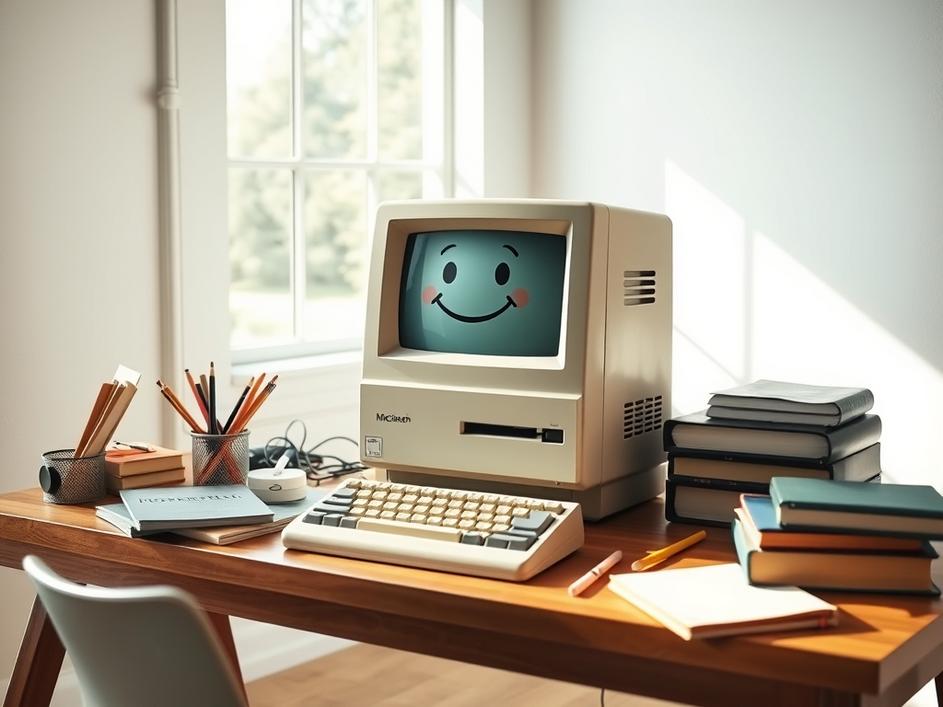
ToggleThe Macintosh. The name itself conjures up images of not just a computer, but also a specific aesthetic, a design philosophy, and yes, that Super Bowl commercial. It’s easy to get lost in the hype surrounding the iconic 1984 advertisement, the one directed by Ridley Scott, painting Apple as the rebel fighting against a monolithic, IBM-dominated future. It was a bold statement, a declaration of war, broadcast to millions during one of the most-watched television events of the year. But focusing solely on the commercial risks overshadowing the actual machine and its lasting impact. The ad was great, but without a solid product, it would have just been a fleeting moment of cultural buzz.
What truly set the Macintosh apart was its focus on user experience. Before the Mac, computers were largely the domain of hobbyists, engineers, and those willing to learn cryptic command-line interfaces. The Mac offered something different: a graphical user interface (GUI) that was intuitive and approachable. Instead of typing commands, users could click on icons, drag and drop files, and interact with the computer in a way that felt natural and even…fun. Steve Jobs famously wanted to make computers for “the rest of us” – people who weren’t necessarily tech-savvy but who wanted to use computers to be creative, productive, and connected.
The GUI wasn’t entirely new, of course. Xerox PARC had developed similar technologies years before, but Apple had the vision and the resources to bring it to the masses. The Macintosh democratized computing, making it accessible to a wider audience than ever before. And while it wasn’t an immediate sales smash, its influence gradually permeated the industry. Microsoft Windows, initially a GUI layered on top of MS-DOS, eventually adopted many of the Macintosh’s core design principles. Today, virtually every operating system, from Windows to Android to iOS, owes a debt to the Macintosh’s pioneering GUI.
Beyond the user interface, the Macintosh also fostered a new wave of creativity. Its WYSIWYG (What You See Is What You Get) display empowered designers and artists to create professional-quality work without needing specialized training or expensive equipment. Programs like PageMaker and Photoshop, initially developed for the Mac, revolutionized the publishing and graphic design industries. The Macintosh became the tool of choice for creative professionals, cementing Apple’s reputation as a design-focused company. This appeal to creatives continues to this day, influencing Apple’s product development and marketing strategies.
The Macintosh wasn’t perfect. It was relatively expensive, had limited memory, and lacked the software library of its IBM PC counterparts. But it was a glimpse into the future of computing, a future where computers were not just tools for experts but empowering devices for everyone. The Mac pushed the industry forward, compelling competitors to innovate and ultimately making computers more user-friendly and accessible. The ‘1984’ commercial captured the spirit of disruption and innovation that defined the Macintosh, but it was the machine itself, with its groundbreaking GUI and focus on user experience, that truly changed computers forever. Its legacy can be seen in every smartphone, tablet, and computer we use today.
And it’s not just about the technology itself. The Macintosh also represented a different way of thinking about technology. Apple positioned itself as a rebel, an underdog challenging the established order. This rebellious spirit resonated with many users who felt alienated by the corporate world. The Mac became a symbol of individuality and creativity, a way to express oneself and stand out from the crowd. This cultural association, carefully cultivated by Apple’s marketing, is arguably just as important as the Mac’s technical innovations. It helped to create a loyal following that continues to this day, even as Apple has become one of the largest and most influential companies in the world.
The Macintosh’s impact isn’t just about technological advancements. It’s about a shift in perspective, a change in how we interact with machines. It’s about making technology more human, more accessible, and more empowering. It’s about inspiring creativity and innovation. The 1984 commercial may have been a powerful statement, but it was the Macintosh itself that delivered on the promise of a better future, one where technology serves humanity rather than the other way around. And its influence continues to shape the digital world we live in today, a testament to the enduring power of innovation and design.
Looking back, it’s clear that the Macintosh was more than just a computer; it was a cultural phenomenon. It represented a new way of thinking about technology, design, and user experience. It inspired a generation of designers, developers, and entrepreneurs. And its legacy continues to shape the digital world we live in today. While the technology has changed dramatically over the years, the core principles that drove the Macintosh – simplicity, accessibility, and user-centered design – remain as relevant as ever. The Mac showed us that computers could be more than just tools; they could be partners in creativity and expression.



Comments are closed