

We are a digital agency helping businesses develop immersive, engaging, and user-focused web, app, and software solutions.
2310 Mira Vista Ave
Montrose, CA 91020

2500+ reviews based on client feedback
What's Included?
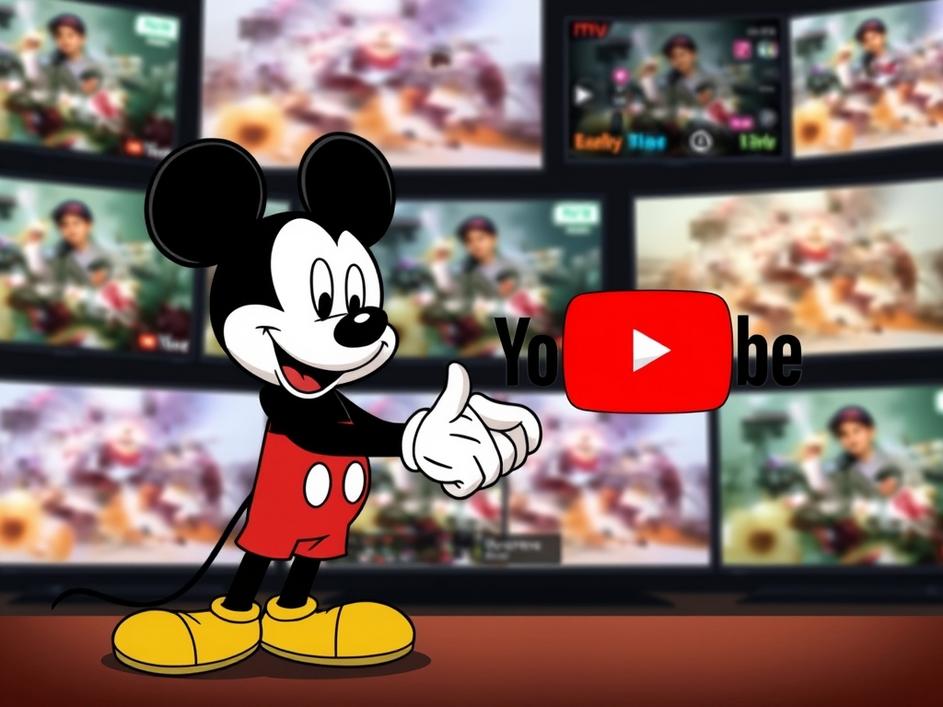
ToggleRemember that moment when Disney channels vanished from YouTube TV? It felt like a parental control setting gone wild. For a short, unhappy time, subscribers of YouTube TV found themselves without ABC, ESPN, and the whole crew. It was a disruption, a real headache for anyone who likes to watch sports or Disney movies without resorting to desperate measures like, shudder, cable.
This whole mess stemmed from a carriage dispute. Basically, Disney and Google (YouTube’s parent company) couldn’t agree on how much YouTube TV would pay to carry Disney’s channels. These negotiations can get pretty intense. It’s a high-stakes game, with billions of dollars on the line. When the clock ran out and no agreement was reached, the channels went dark. Both sides dug in their heels, and viewers were the ones who paid the price.
Thankfully, the darkness didn’t last forever. Google and Disney have now announced that they’ve reached a deal. The Disney-owned channels are back on YouTube TV, and subscribers can breathe a sigh of relief. Both companies are putting on a good face. Disney Entertainment’s co-chairmen expressed their satisfaction with the agreement. YouTube issued a statement apologizing to subscribers for the inconvenience. Everyone’s acting like mature adults, now that the ink is dry on the contract.
So, what does this resolution really mean? Well, the most immediate impact is that you can once again watch your favorite shows and sports on YouTube TV. No more frantic searching for alternative streams or begrudgingly borrowing your neighbor’s cable login. The return of ESPN is especially huge for sports fans, who rely on the service for live games and studio shows. And families can once again enjoy Disney classics without navigating the treacherous waters of illegal downloads.
But this is just one battle in the larger streaming wars. The fight for your eyeballs (and your subscription dollars) is fiercer than ever. Companies like Disney, Google, Netflix, Amazon, and Apple are all vying for dominance in the streaming landscape. Carriage disputes are becoming increasingly common, as media companies try to maximize their revenue and streaming services try to keep costs down. It’s a delicate balancing act, and consumers are often caught in the crossfire.
From YouTube TV’s perspective, this deal was almost certainly necessary. Losing the Disney channels would have been a major blow to their subscriber base. ESPN, in particular, is a must-have for many sports fans. Without it, YouTube TV would have been at a significant disadvantage compared to other streaming services like Hulu + Live TV and FuboTV. It’s likely that YouTube TV had to make some concessions to Disney to get the deal done, but it was a price worth paying to keep their subscribers happy.
Disney’s strategy is a bit more complex. On the one hand, they want to maximize the reach of their content by making it available on as many platforms as possible. On the other hand, they also want to protect the value of their content and ensure that they are fairly compensated for it. Disney is also heavily invested in its own streaming service, Disney+. So, they need to strike a balance between licensing their content to third parties and driving subscriptions to their own platform. Walking this tightrope will likely be a recurring theme in the years to come.
One potential outcome of these ongoing disputes is a resurgence of bundling. Remember the good old days of cable, when you got hundreds of channels whether you wanted them or not? Well, we may be heading back in that direction. As streaming services proliferate and content becomes more fragmented, consumers may start to crave the simplicity of a single, all-inclusive package. Companies like Disney and Google could potentially offer bundles that combine their various streaming services into a single subscription. This could be a win-win for both companies and consumers, providing more value and convenience.
In the end, the resolution of the Disney-YouTube TV dispute is a win for consumers. The channels are back, and everyone can go back to their regularly scheduled programming. But this is unlikely to be the last time we see these kinds of disputes. The streaming landscape is constantly evolving, and the battle for your attention (and your money) is only going to intensify. Keep your eyes peeled and your remote handy – the streaming wars are far from over.


Comments are closed